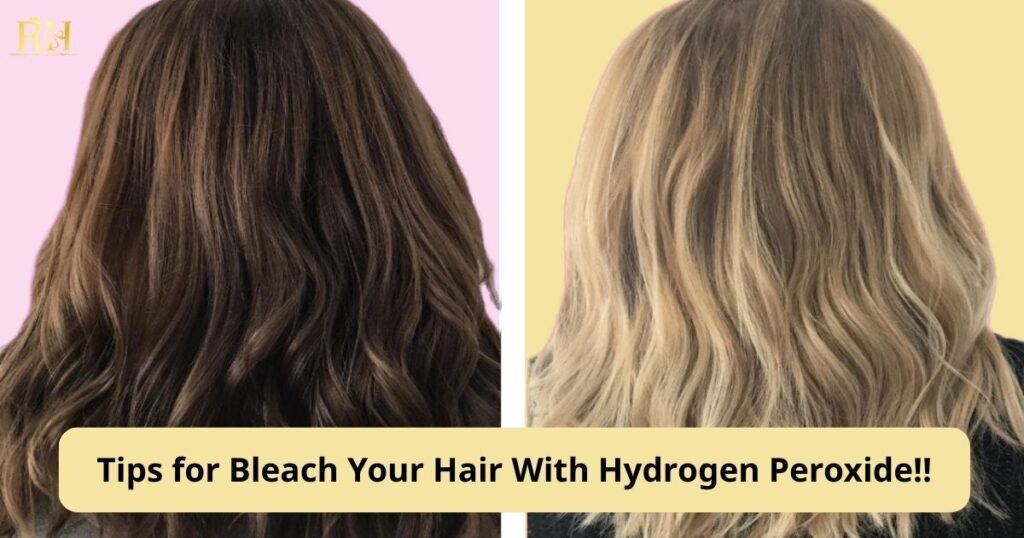
Bleach Hair With Hydrogen Peroxide has been used for decades as a hair-lightening agent, but many people still wonder: does hydrogen peroxide bleach hair safely, effectively, and permanently? The short answer is yes hydrogen peroxide can bleach hair by chemically altering its natural pigment. However, how well it works, how damaging it is, and whether it’s the right choice for you depend on several important factors.
This comprehensive guide explains the science behind hair bleaching, professional insights on safety, real risks, best practices, and smarter alternatives. If you’re considering lightening your hair, this is everything you need to know before you start.
Women and men considering bleaching or lightening their hair at home or professionally who want scientifically accurate, safe, and practical guidance before using hydrogen peroxide.
How Hair Gets Its Color: The Science Behind Bleaching
To understand how hydrogen peroxide works, you need to know what gives hair its color.
Hair contains melanin, the same pigment responsible for skin tone. There are two primary types:
- Eumelanin – creates brown and black shades
- Pheomelanin – produces red and yellow tones
Hair bleaching works by oxidizing these pigments. When melanin molecules break down, they lose their color leaving hair lighter or even nearly white.
This chemical process is irreversible. Once melanin is destroyed, it cannot return. Only new hair growth restores natural color.
Does Bleach Hair With Hydrogen Peroxide? The Chemistry Explained
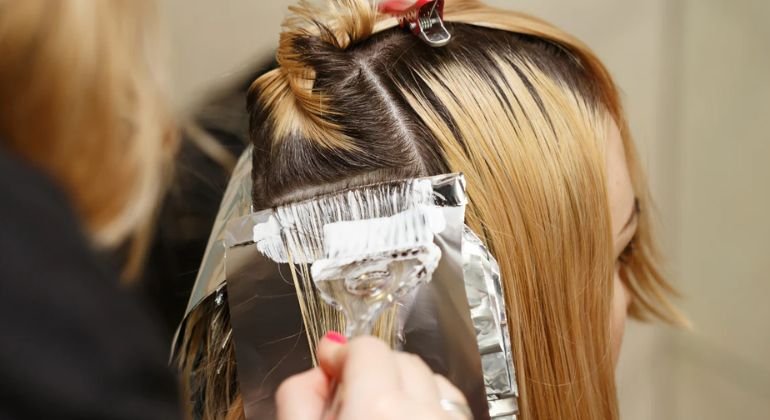
Yes, hydrogen peroxide bleaches hair through oxidation.
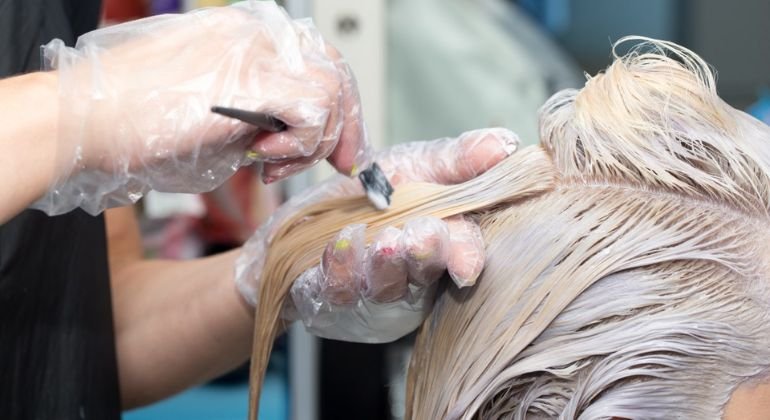
When applied to hair, hydrogen peroxide releases oxygen molecules that break apart melanin pigments inside the hair shaft. This reaction lightens the natural color gradually.
The strength of bleaching depends on:
- Concentration of hydrogen peroxide
- Exposure time
- Hair thickness and porosity
- Natural hair color
- Heat and environmental conditions
Higher concentrations lighten faster but significantly increase damage risk.
In professional salons, hydrogen peroxide is combined with ammonia or other alkalizing agents. These open the hair cuticle, allowing deeper penetration and stronger bleaching.
Why Hydrogen Peroxide Lightens Hair Permanently
Unlike temporary dyes, hydrogen peroxide changes the internal structure of hair.
The process:
- Cuticle opens
- Peroxide enters cortex
- Melanin oxidizes and dissolves
- Pigment is permanently removed
Because pigment is chemically destroyed, the lightening effect cannot be reversed — only grown out or recolored.
Is Hydrogen Peroxide Safe for Hair?
Hydrogen peroxide is widely used in professional hair coloring, but safety depends on proper use.
Regulatory bodies like the FDA permit hydrogen peroxide in cosmetic products within controlled concentrations. However, “safe” does not mean harmless.
Potential risks include:
- Dryness and brittleness
- Increased hair porosity
- Breakage and split ends
- Scalp irritation
- Uneven color results
Dermatology experts, including professionals associated with the American Academy of Dermatology, emphasize that repeated bleaching weakens hair protein structure.
In simple terms: hydrogen peroxide is effective but inherently damaging when overused or misused.
How Much Does Hydrogen Peroxide Lighten Hair?
Results vary dramatically based on natural hair color.
Dark brown or black hair
– Usually lifts to reddish or orange tones first. Multiple sessions required for blonde.
Medium brown hair
– Can reach light brown or dark blonde.
Light brown or dark blonde
– May lighten to pale blonde with fewer applications.
Red hair
– Often becomes strawberry or golden blonde.
Very light blonde hair
– Minimal visible change.
Hair rarely turns white or platinum from peroxide alone without professional bleaching systems.
Professional vs At Home Hydrogen Peroxide Bleaching
There is a major difference between salon treatments and DIY applications.
Professional bleaching systems used by brands like L’Oréal are formulated with stabilizers, conditioning agents, and controlled chemical balances.
At-home hydrogen peroxide:
- Often lacks protective ingredients
- Harder to control concentration
- Greater risk of uneven lightening
- Higher potential for damage
Professional application provides precision, safety monitoring, and corrective treatments.
Signs Hydrogen Peroxide Is Damaging Your Hair
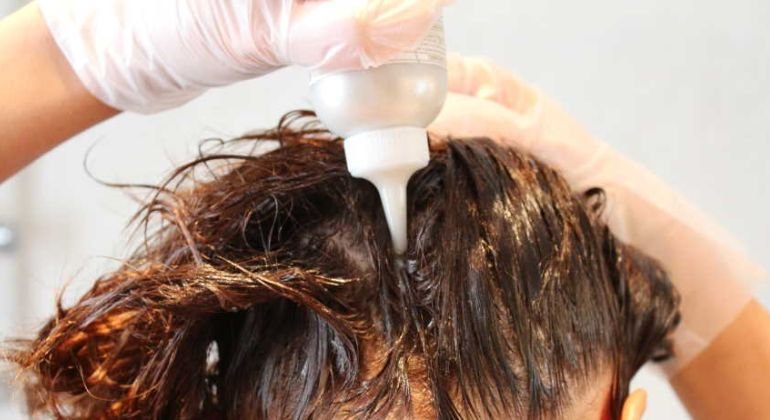
Early detection prevents severe breakage.
Watch for:
- Hair feels gummy when wet
- Excessive shedding during brushing
- Rough or straw-like texture
- Loss of curl pattern
- Dull, lifeless appearance
If these appear, stop bleaching immediately and begin repair treatments.
How to Bleach Hair Safely With Hydrogen Peroxide
If you choose to lighten your hair, follow evidence-based safety practices.
Patch test first
– Apply small amount to skin to check irritation.
Use low concentration
– 3% solution is standard for home use.
Apply to clean, dry hair
– Oil buildup reduces effectiveness.
Limit exposure time
– Start with 10–15 minutes.
Deep condition afterward
– Restore moisture and elasticity.
Avoid frequent repetition
– Wait at least 2–3 weeks between sessions.
Never bleach severely damaged hair
– Breakage risk becomes extreme.
Common Mistakes That Cause Severe Hair Damage
Many people damage their hair unnecessarily because of preventable errors.
Over Processing
– Leaving peroxide on too long destroys protein structure.
Repeated bleaching in short periods
– Hair needs recovery time.
Using heat aggressively
– Heat accelerates chemical reactions and damage.
Skipping conditioning
– Moisture loss worsens brittleness.
Expecting platinum in one session
– Gradual lighting is safer.
Can Hydrogen Peroxide Turn Hair Orange?
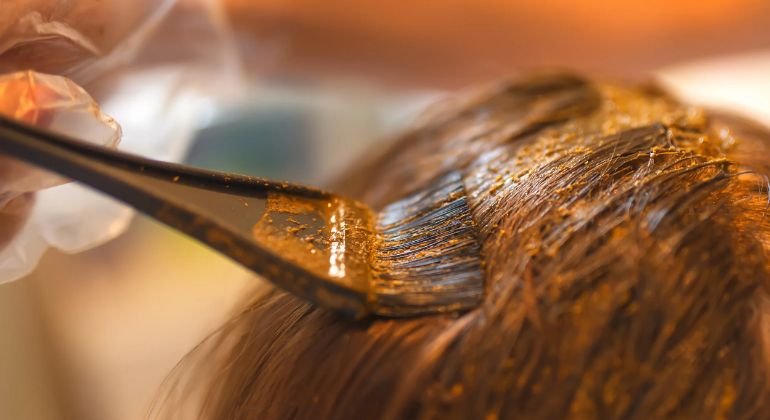
Yes — and this is extremely common.
Dark hair contains strong red and orange undertones. When melanin breaks down unevenly, warm pigments appear before lighter shades.
This is why many bleaching processes require toners to neutralize unwanted hues.
Purple toner cancels yellow
Blue toner cancels orange
Without toning, peroxide bleaching often produces brassy results.
Does Hydrogen Peroxide Damage Hair Protein?
Hair is composed primarily of keratin, a structural protein.
Hydrogen peroxide oxidizes melanin but also weakens keratin bonds. This reduces elasticity and strength.
Scientific studies show repeated peroxide exposure:
- Degrades cuticle layers
- Reduces tensile strength
- Increases porosity
This explains why bleached hair tangles easily and breaks faster.
How to Repair Hair After Bleaching
Recovery is possible with consistent care.
Protein treatments
– Rebuild structural strength.
Deep moisturizing masks
– Restore hydration balance.
Bond-building treatments
– Repair internal links.
Heat protection products
– Prevent additional stress.
Regular trims
– Remove damaged ends.
Healthy bleached hair requires maintenance not just one treatment.
Natural Alternatives to Hydrogen Peroxide
Some people prefer gentler lightening methods.
Lemon juice with sunlight
– Mild but drying.
Chamomile tea rinse
– Subtle golden enhancement.
Honey and cinnamon mask
– Very gradual lightening.
These methods are less damaging but also far less powerful.
Who Should NOT Use Hydrogen Peroxide on Hair
Avoid bleaching if you have:
- Extremely dry or brittle hair
- Recent chemical treatments
- Sensitive scalp conditions
- Severe hair loss
- Elastic or stretchy strands
Bleaching compromised hair can lead to irreversible breakage.
Expert Tips for Best Results
Hair professionals recommend:
- Lighten gradually over multiple sessions
- Always condition intensely
- Use toner for color control
- Protect hair from sun exposure
- Minimize heat styling
Bleaching is a process not a one-time event.
Final Verdict: Does Hydrogen Peroxide Bleach Hair Effectively?
Yes, hydrogen peroxide is a proven, effective hair-bleaching agent that permanently lightens hair by oxidizing melanin.
However, effectiveness comes with trade-offs. It weakens hair structure, increases dryness, and requires careful management to avoid damage.
When used properly especially professionally it can safely achieve beautiful results. When misused, it can permanently harm hair health.
Knowledge, preparation, and moderation are the key to safe lightening.
Ready for Healthier, Safer Hair Transformations?
If you want professional guidance, high-quality hair solutions, or expert help choosing the best lightening method for your hair type contact us today for a personalized consultation or exclusive discount on premium hair products.
Your hair deserves expert care.
🔥Contact us for more information!!!🔥
📲Phone/WhatsApp: +1 (206) 698‑5133
🛜Instagram: RAW HAIR LUXURY COMPANY
📧 Email: Rawhairluxury.us
🌐Website: rawhairluxury.com