
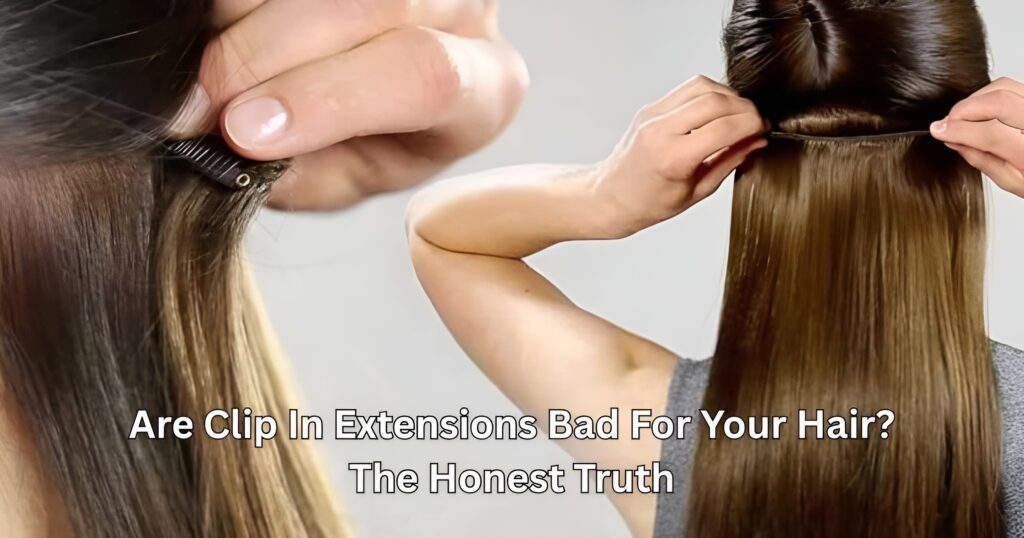
Let’s be real for a second. We’ve all had those mornings where we look in the mirror, sigh at our shoulder-length bob, and wish we could snap our fingers and instantly have a mane that rivals a Disney princess. That’s usually when the Google searches start. You find yourself staring at a cart full of luscious wefts, hovering over the “buy” button, but a tiny voice in the back of your head asks: Wait, are clip in extensions bad for your hair?
It’s a valid fear. We’ve all heard horror stories of bald spots and thinning edges. But is the accessory the villain, or is it the way we use it? Think of clip-ins like a pair of killer stilettos. They look amazing, and they give you a boost, but if you wear them to run a marathon, you’re going to hurt yourself.
Let’s dive deep into the world of extensions, debunk the myths, and figure out how to get that length without sacrificing your natural hair health.
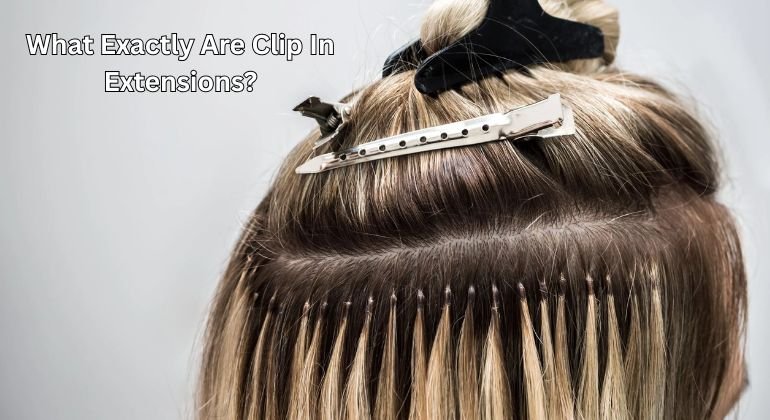
What Exactly Are Clip In Extensions?
Before we judge them, let’s define them. Clip in extensions are temporary hair wefts that attach to your natural hair using small, pressure sensitive clips. Unlike tape ins, sew ins, or bonding, these are a non committal relationship. You clip them in for brunch, and you take them out before you hit the pillow. They are the “weekend warriors” of the hair world.
The Big Question: Are Clip In Extensions Bad For Your Hair?
The short answer? No, not inherently. But the long answer is a bit more nuanced.
Clip in extensions are generally considered the safest method of hair enhancement because they don’t involve glue, heat, or chemicals. However, physics is physics. If you hang a heavy weight on a thin strand of hair, gravity is going to do its thing.
Understanding Traction Alopecia
This sounds scary, but it’s essentially hair loss caused by pulling. If you wear heavy extensions every single day in the exact same spot, the constant tension can weaken the hair follicle. Imagine wearing a heavy backpack on one shoulder every day for a year; eventually, that shoulder is going to get sore. Your hair roots work the same way.
The Weight Game: Why Balance Matters
If you have fine hair, clipping in a 220 gram set of mega volume extensions is risky. It’s asking your fine strands to support weight they weren’t built for. The key is matching the density of the extensions to your own hair density.
Real Hair Clip In Extensions vs Synthetic Options
When shopping, you’ll see two main contenders: synthetic and human hair.
The Look and Feel of Human Hair
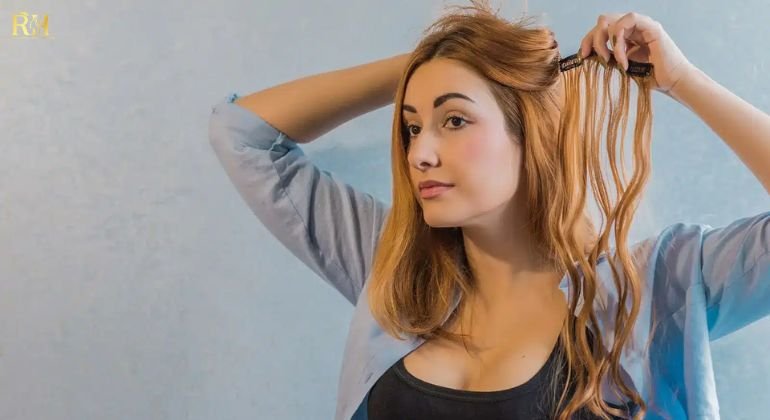
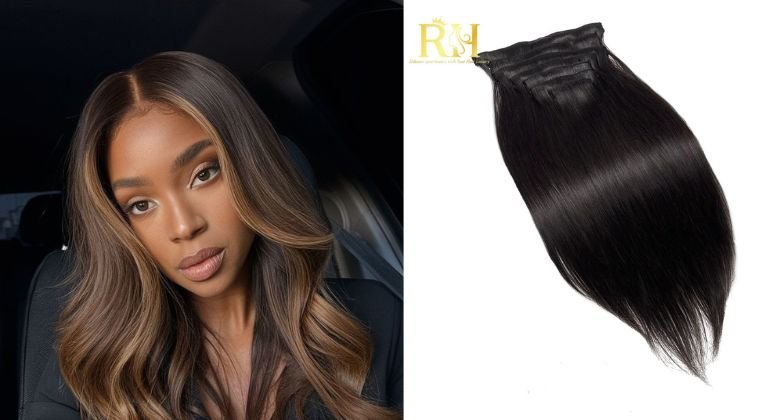
Real hair clip in extensions are the gold standard. Since they are made from actual human hair (often Remy hair where the cuticles are aligned), they blend seamlessly with your own texture. They move like your hair, shine like your hair, and most importantly, they don’t have that plastic “Barbie doll” sheen that synthetic hair often has.
Heat Styling and Versatility
One of the biggest perks of real hair clip in extensions is that you can treat them like your own. Want beach waves? Curl them. Want a sleek look? Straighten them. Synthetic hair, on the other hand, creates a limit. Most synthetic fibers will melt if you take a curling wand to them. If you want longevity and style options, natural is the way to go.
How to Wear Clip Ins Without Ruining Your Roots
If you want to rock that extra volume safely, technique is everything. You can’t just slap them on and hope for the best.
The Art of Backcombing for Grip
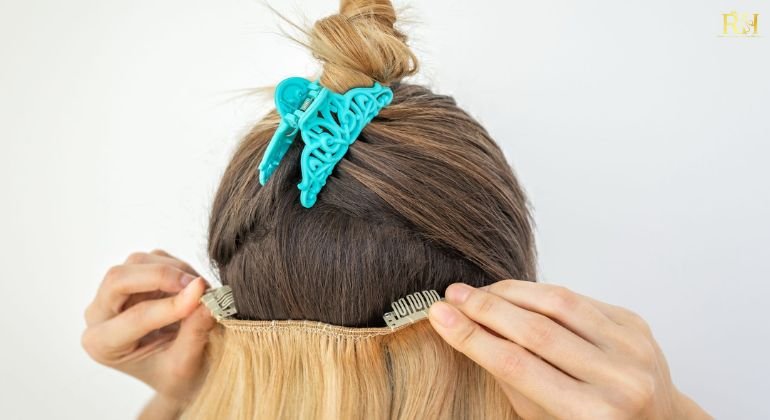
Slippage is the enemy. If the clip slides, it pulls your hair out with it. To prevent this, create a sturdy base. Section your hair where you want to place the weft, and gently backcomb (tease) the roots.
Why Teasing Isn’t Always the Villain
People fear teasing causes breakage, but gentle backcombing creates a “cushion” for the clip to grab onto. This means the clip is holding onto the matted texture rather than pulling directly on single strands of hair.
Correct Placement is Key
Never, and I mean never, clip the extensions right onto your scalp. They should sit about half an inch down from the roots. This gives your hair enough slack to move freely without tension. If you feel pain immediately after snapping the clip shut, take it out and try again. Beauty shouldn’t hurt!
The Cardinal Sins of Clip-Ins
Want to know how people actually damage their hair with extensions? They break these rules.
Sleeping in Your Extensions: A Big No No
This is the number one rule. You must remove clip in extensions before you sleep. As you toss and turn at night, the clips can snag and tangle, causing massive tension on your roots. Remember the high heel analogy? Taking them off at the end of the day is the relief your hair needs.
Washing Your Hair While Wearing Them
Never wash your hair with the clips still attached. The weight of wet hair is heavy; the weight of wet extensions plus the water they absorb is a recipe for ripping your hair out. Wash your natural hair and your extensions separately.
How Long Do Clip In Extensions Last?
This is probably the second most asked question after the safety concerns.
Lifespan of Synthetic vs. Human Hair
So, how long do clip in extensions last? If you opt for synthetic, you’re looking at maybe 1 to 3 months of wear before they start looking frizzy and matted.
Real hair clip in extensions, however, are an investment. With proper care, they can last anywhere from 3 to 6 months with daily wear, and up to a year or longer if you only wear them occasionally.
Signs It’s Time for a Replacement
You’ll know it’s time to say goodbye when the hair starts thinning out, shedding excessively, or becomes too dry and brittle to style, regardless of how much deep conditioner you use.
Who Should Avoid Clip-In Extensions?
While they are safe for most, they aren’t for everyone.
Fragile, Thin, or Damaged Hair
If you are currently experiencing active hair loss or your hair is extremely brittle from bleach damage, adding extra weight isn’t wise. Focus on healing your hair first.
Sensitive Scalps
Some people just have tender heads. If wearing a ponytail gives you a headache, a full head of clips might trigger a migraine.
Daily Maintenance and Care Routine
To keep your extensions luscious, treat them better than your own hair. They don’t get oils from your scalp, so they get dry easily.
- Brush Gently: Start from the bottom and work your way up to remove tangles.
- Hydrate: Use sulfate-free shampoos and heavy conditioners.
- Storage: Don’t throw them in a drawer. Store them in a box or hang them up to prevent tangling.
Conclusion: To Clip or Not to Clip?
So, representatively speaking, are clip-ins the devil? Absolutely not. They are a fantastic tool for changing up your look without the commitment of bonding or sewing. The damage usually comes from user error sleeping in them, pulling too hard, or buying cheap clips that snag.
If you invest in high-quality real hair clip in extensions, apply them correctly, and treat them with care, you can enjoy Rapunzel-level locks with zero damage to your natural hair. It’s all about being gentle and knowing when to give your hair a break.
🔥Remember to visit our social media pages Hair Luxury now so you don’t miss out on the day’s deals!!!🔥
📲Phone/WhatsApp: +1 (206) 698‑5133
🛜Instagram: RAW HAIR LUXURY COMPANY
🌐Tik Tok: RAW HAIR LUXURY
📧 Email: Rawhairluxury.us
🌐Website: rawhairluxury.com