
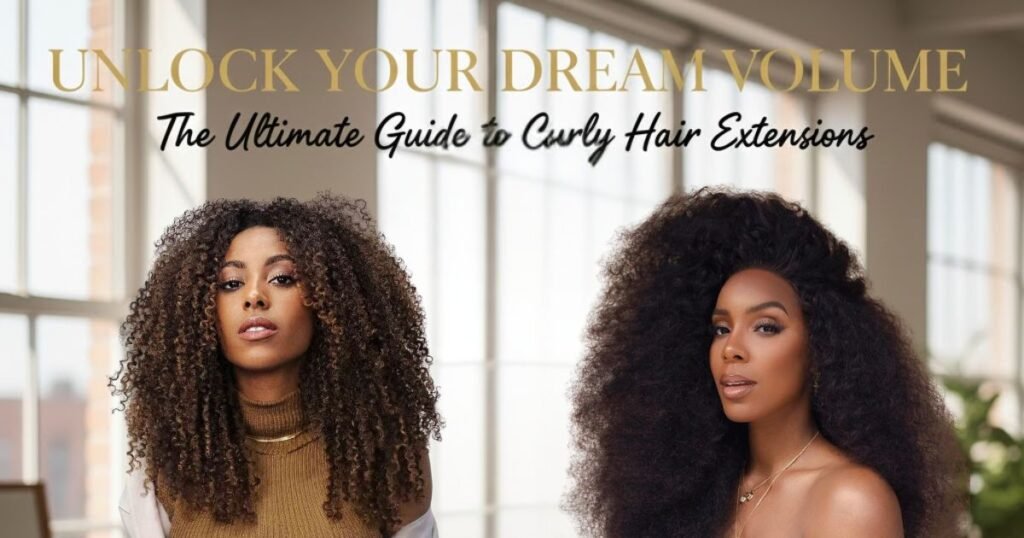
Let’s be real for a second there is absolutely nothing quite like a head full of luscious, bouncing curls. It’s a vibe, a statement, and frankly, a lifestyle. But we’ve all had those days (or months) where our natural hair just isn’t hitting the length or volume goals we’ve pinned on our vision boards. Maybe you’re recovering from heat damage, or maybe patience just isn’t your strongest virtue right now. Whatever the reason, welcome to the magical world of curly hair extensions.
If you thought extensions were only for the straight haired girls, think again. The game has changed, and today, adding inches and volume to your textured mane is easier and more natural looking than ever. Ready to transform your look? Let’s dive in.
I. Why We’re Obsessed with the Curly Hair Extensions
Remember the old days when “doing your hair” meant flattening it into submission? Thank goodness those days are over. We are living in the golden age of texture. Big hair is back, and it’s beautiful. But here’s the catch: curly hair suffers from shrinkage. You might grow your hair for two years, only to have those tight coils spring up to your ears. It’s frustrating, right?
This is where extensions swoop in like a superhero. They give you the instant gratification of length that shrinkage steals away. Plus, they add that Hollywood density that turns heads when you walk into a room.
II. Understanding Your Texture: It’s Not One Size Fits All
Before you click “add to cart,” you need to get intimate with your own hair. You wouldn’t buy a foundation without knowing your skin tone, so don’t buy hair without knowing your pattern.
Decoding Curl Patterns (3A to 4C)
Hair extensions for curly hair aren’t a monolith. You’ve got your loose spirals (Type 3A), your tight corkscrews (Type 3C), and your beautiful, dense coils (Type 4A 4C). If you buy a loose wave extension but have tight 4C coils, the blend is going to look… well, let’s just say it won’t be a secret.
Why Texture Matching is Non Negotiable
The goal of extensions is to be undetectable. You want people to ask, “What vitamins are you taking?” not “Who did your weave?” To achieve this, the extension texture must mimic your natural hair when it is defined and dry. When the textures match, the hair moves together, reacts to humidity together, and styles together.
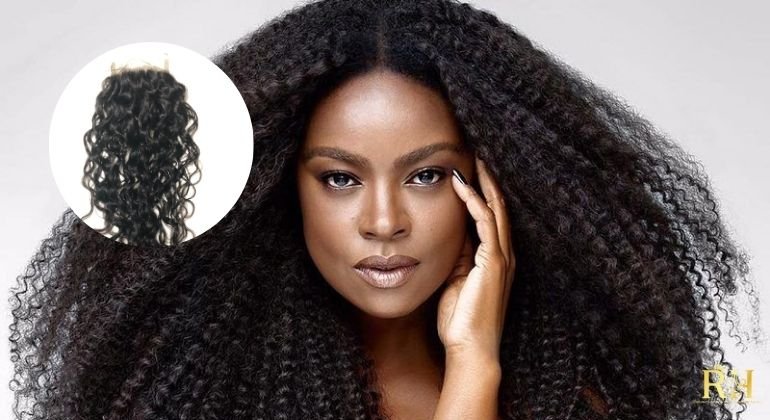
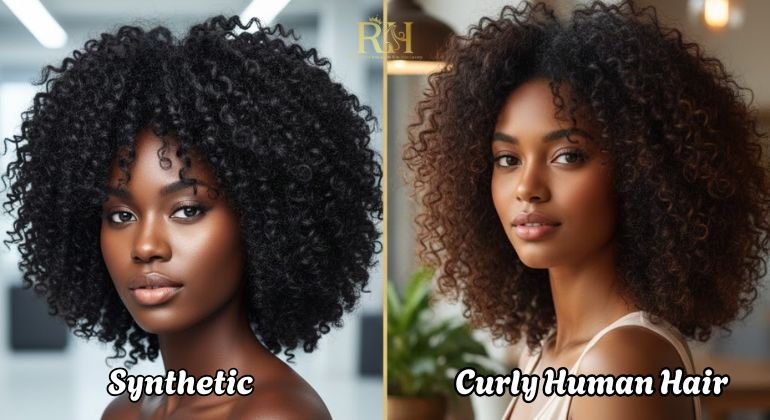
III. The Great Debate: Synthetic vs Curly Human Hair Extensions
You’ll see cheap options out there, but let me give you some big sister advice: invest in quality.
The Feel and Flow of Real Hair
Synthetic hair has come a long way, but it still struggles to mimic the erratic, beautiful imperfection of a natural curl. Curly human hair extensions are the gold standard. Why? because they are real. They have cuticles. They frizz (just a little) like your real hair does, which actually helps them blend better.
Heat Styling and Longevity
With human hair, you can treat it like your own. Want to diffuse it? Go ahead. Want to use a curling wand to touch up a few pieces? No problem. Synthetic hair often melts or loses its curl pattern under heat. If you want extensions that last months rather than weeks, human hair is the only way to go.
IV. Top Methods for Installing Hair Extensions for Curly Hair
Okay, so we know what hair to buy. Now, how do we get it on your head?
The Quick Fix: Curly Clip In Hair Extensions
If you are commitment phobic or just want long hair for Saturday night but a bob for Monday morning, curly clip in hair extensions are your best friend. They are wefts of hair attached to small clips. You part your hair, snap them in, and boom instant mermaid.
- Pro Tip: Tease your roots slightly before clipping them in to prevent them from sliding out of silky curls.
The Semi-Permanent Solution: Curly Tape In Hair Extensions
Maybe you want to wake up like Beyoncé every day. Enter curly tape in hair extensions. These are small strips of hair with adhesive tabs. Your natural hair is “sandwiched” between two strips. They lie flat against the head, making them incredibly discreet. They are fantastic because they distribute the weight evenly, which is safer for fine curly hair.
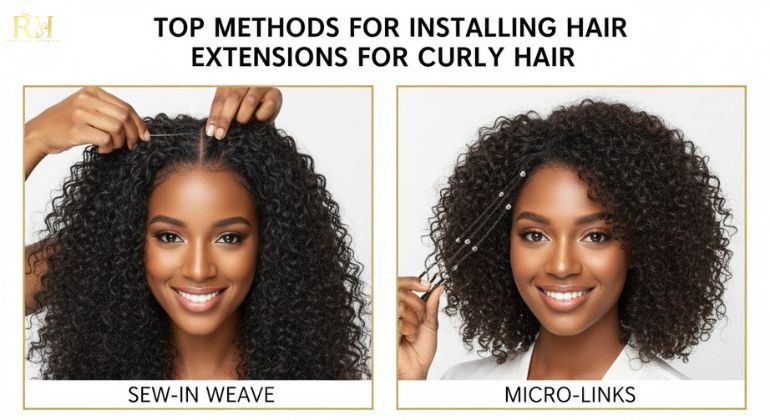
Sew-Ins and Micro links for Active Lifestyles
If you hit the gym five times a week, you might want something more secure like a sew-in weft or microlinks. These methods are more permanent (lasting 6 – 8 weeks usually) and allow you to wash your hair without taking the extensions out.
V. How to Seamlessly Blend Your Extensions
You have the hair installed. Now, how do we make it look like it grew out of your scalp?
Trimming for the Perfect Layer
Extensions usually come with blunt ends. Natural curly hair rarely has blunt ends; it tapers. Take your extensions to a stylist (or grab some shears if you’re brave) and cut layers. This helps the short natural hair meld into the long extensions without that awkward “shelf” effect.
Color Matching and Highlights
Curly hair reflects light differently than straight hair. Sometimes, buying extensions one shade lighter or darker can add dimension. If your ends are lighter due to sun exposure (very common with curls), make sure your extensions match your ends, not just your roots.
VI. Maintenance 101: Keeping the Bounce Alive
Here is the truth: curly human hair extensions need just as much love if not more than your natural hair. Since they aren’t attached to your scalp (except for the root), they don’t get natural oils.
Washing Routine: Hydration is Key
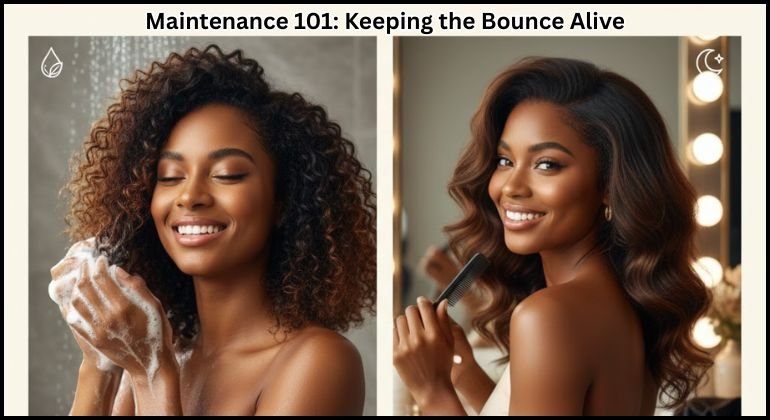
Use sulfate free shampoos. Sulfates strip moisture, and moisture is the lifeblood of a curl. When washing curly tape in hair extensions, be gentle at the root to avoid loosening the adhesive.
Detangling Without the Drama
Never, and I mean never, brush dry curly extensions. You will turn them into a frizzy mushroom cloud. Only detangle when the hair is wet and saturated with conditioner. Use a wide tooth comb or a flexible brush, starting from the bottom and working your way up.
Reviving Curls with Deep Conditioning
Every two weeks, give your extensions a spa day. Coat them in a deep conditioner or a hair mask. This keeps the cuticles smooth and ensures the curl pattern snaps back after washing.
VII. Sleeping with Extensions: The Pineapple Method
You can’t just face plant into your pillow with extensions. Friction is the enemy.
- The Pineapple: Gather all your hair on top of your head and secure it loosely with a scrunchie.
- Satin Everything: Use a satin bonnet or a silk pillowcase. This reduces friction, preventing tangles and frizz while you dream.
Common Mistakes to Avoid with Curly Extensions
- Buying the Wrong Weight: If the extensions are too heavy, they can pull on your natural curls and cause traction alopecia.
- Ignoring the scalp: If you have tape ins or a sew in, ensure you are still cleaning your scalp properly to avoid buildup.
- Over-washing: You don’t need to wash clip-ins after every wear. Every 10 – 15 wears is plenty unless you went to a smoky bar or used a ton of product.
Conclusion: Embrace the Big Hair Energy
At the end of the day, hair is an accessory. It’s meant to be fun. Whether you choose curly clip in hair extensions for a night out or commit to curly tape in hair extensions for the summer, the goal is to feel confident. Don’t be afraid to experiment with volume and length. Life is too short for boring hair, and with the technology we have today, there is no reason your curls shouldn’t be flourishing. So, fluff out those roots, hydrate those ends, and let your curls take up space!
🔥Remember to visit our social media pages Hair Luxury now so you don’t miss out on the day’s deals!!!🔥
📲Phone/WhatsApp: +1 (206) 698‑5133
🛜Instagram: RAW HAIR LUXURY COMPANY
🌐Tik Tok: RAW HAIR LUXURY
📧 Email: Rawhairluxury.us
🌐Website: rawhairluxury.com