


Let’s be honest for a second, hair is major. It’s not just strands growing out of your head; it’s an accessory, a safety blanket, and a massive part of your identity. But sometimes, our natural hair just doesn’t want to cooperate, or maybe you just want to switch up your vibe without the commitment of a pair of scissors or a bottle of bleach. Enter the world of human hair wigs.
Gone are the days when wigs were looked at sideways or reserved solely for Halloween. Today, they are the secret weapon of celebrities, influencers, and everyday people who want to look flawless. Whether you are dealing with hair loss or just want to channel a different persona for the weekend, a high quality wig is like a magic wand for your confidence.
Why Choose Human Hair Over Synthetic?
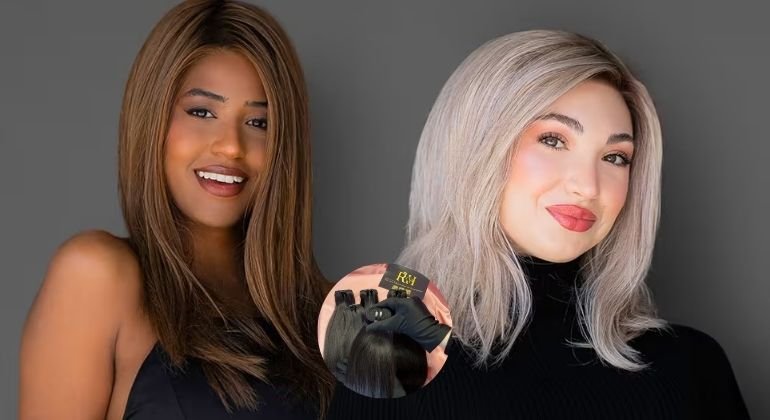
If you are new to this game, you might be staring at the price tags and wondering, “Why should I shell out extra cash for human hair when synthetic is cheaper?” It’s a valid question. Think of it like buying a jacket. Synthetic hair is like polyester; it does the job, but it can feel stiff and trap heat. Human hair? That’s your high-quality silk or cashmere.
The Realism Factor
The movement of human hair is unmatched. It bounces, it sways in the wind, and it reflects light exactly like… well, your own hair. Because it is real hair (usually harvested from donors), the cuticles are intact, giving it a natural sheen that synthetic fibers just can’t replicate without looking shiny and plastic like.
Heat Styling and Versatility
Here is the kicker: you can treat human hair wigs just like your own hair. Want beach waves today and a bone-straight look tomorrow? Grab your flat iron. You can curl it, straighten it, and yes, you can even dye it. Synthetic wigs, on the other hand, will usually melt if you take a hot tool to them unless they are specifically heat-resistant (and even then, it’s risky).
Exploring Different Wig Cap Constructions

Before you click “add to cart,” you need to know what’s going on underneath the hood. The cap construction determines how comfortable the wig is and how natural the hairline looks.
Lace Front vs Full Lace Wigs
You’ve probably heard the term “melting the lace.” A lace front wig has a piece of sheer mesh at the front (usually ear-to-ear) where individual hairs are hand-tied. This creates the illusion of a natural hairline. A full lace wig has that mesh all over, meaning you can part the hair anywhere or pull it up into a high ponytail without exposing the “tracks.”
The Rise of Glueless Human Hair Wigs
If the idea of using adhesive glue near your edges scares you, you aren’t alone. This is where glueless human hair wigs come in to save the day. These units are designed with adjustable straps and combs inside the cap to secure the wig to your head without the need for messy gels or harsh glues.
Why Glueless is a Game Changer for Beginners
Glueless human hair wigs are the definition of “throw on and go.” They are perfect for beginners because you don’t need a degree in cosmetology to install them. Plus, they protect your natural hairline (edges) because there is no friction or chemical adhesive pulling at your baby hairs. It allows your scalp to breathe, making it a healthier option for daily wear.
Popular Styles and Colors
The beauty of wigs is the instant transformation. You can go from a pixie cut to 30 inches of mermaid hair in five minutes.
The Timeless Appeal of Black Human Hair Wigs

While neon pinks and balayage blondes are fun, there is something incredibly sophisticated about black human hair wigs. Jet black or natural black (usually labeled as 1B) offers a sleek, healthy, and shiny aesthetic that suits almost every skin tone. A high-quality black wig looks incredibly dense and rich. It’s the “Little Black Dress” of the hair world classic, reliable, and always stunning.
Experimenting with Textures: Body Wave, Straight, and Curly
When shopping, you’ll see textures listed. “Body Wave” gives you a loose S curl pattern that looks effortless. “Deep Wave” or “Jerry Curl” gives you those tropical vacation vibes. Choosing a texture that mimics your natural hair can help make the transition into wearing wigs feel more subtle and comfortable.
Understanding Density and Length
What Density Should You Choose?
Density refers to how thick the hair is on the cap.
- 130%: Natural density, similar to the average human head.
- 150%: A bit fuller, gives a nice bounce.
- 180% to 250%: High glamour, thick, and voluminous.
If you get a wig that is too dense, it can look “wiggy” and unnatural. If you get one too thin, people might see the tracks. Most people find the sweet spot around 150%.
Maintenance 101: Keeping Your Wig Fresh
Owning a human hair wig is an investment, similar to owning a car. If you don’t get oil changes, the car breaks down. If you don’t maintain the wig, it turns into a bird’s nest.
How to Wash a Human Hair Wigs Properly
This is the most common question beginners have. Learning how to wash a human hair wigs unit is essential for longevity. (Yes, the grammar is tricky, but the process is simple!). You shouldn’t wash it as often as your natural hair maybe once every 7 to 14 wears, depending on product buildup.
Step by Step Washing Guide
- Detangle First: Never wash a matted wig. Use a wide tooth comb and start from the ends, working your way up to the roots gently.
- Rinse: Hold the wig under cool or lukewarm running water. Never use hot water, as it can dry out the strands.
- Shampoo: Apply a sulfate-free shampoo. Do not scrub or bunch the hair like you’re washing a rag. Stroke the shampoo downward through the hair to keep the cuticles flat.
- Condition: This is the most important step in how to wash a human hair wigs routine. Apply a rich conditioner, avoiding the roots (it can loosen the knots). Let it sit for 5 – 10 minutes.
- Rinse Again: Rinse thoroughly with cool water to seal the moisture in.
Drying and Storing Your Unit
Pat the wig dry with a microfiber towel don’t wring it out! It’s best to let it air dry on a wig stand. If you must use a blow dryer, use the cool setting. When you aren’t wearing it, store it on a mannequin head or in a silk bag to prevent tangles.
Common Mistakes to Avoid
- Sleeping in your wig: Unless it’s sewn in, take it off at night. Friction from your pillow is the enemy of smooth hair.
- Over-bleaching: Just because it’s human hair doesn’t mean it’s invincible. Over processing the knots or the hair can cause shedding.
- Cutting the lace too short: Be careful when customizing your hairline. If you cut too much lace off, you ruin the fit.
Investment vs Cost: Is It Worth It?
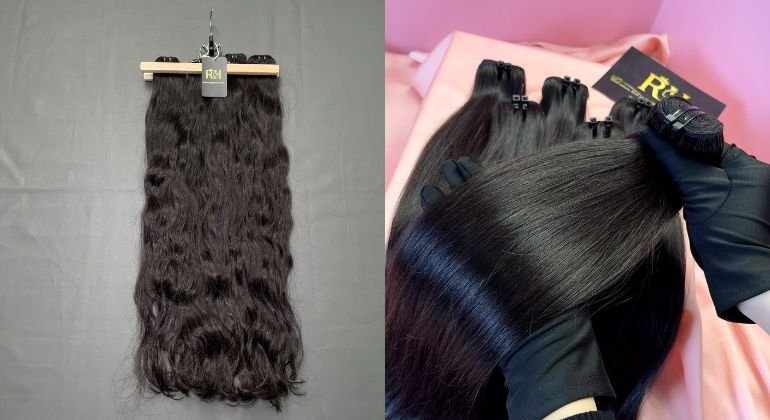
A good human hair wig can cost anywhere from $100 to over $1,000. It sounds steep, but consider the math. A synthetic wig might last a month before it gets frizzy. A well maintained human hair wig can last a year or more. In the long run, you are actually saving money and looking better while doing it.
Conclusion: Embracing Your New Look
Stepping into the world of wigs can feel overwhelming at first, but it is ultimately a journey of self expression. Whether you opt for the convenience of glueless human hair wigs or the sleek mystery of black human hair wigs, remember that the hair doesn’t wear you; you wear the hair. Treat it with love, learn the basics of maintenance, and walk out the door with your head held high. After all, life is too short to have boring hair.
🔥Remember to visit our social media pages Hair Luxury now so you don’t miss out on the day’s deals!!!🔥
📲Phone/WhatsApp: +1 (206) 698‑5133
🛜Instagram: RAW HAIR LUXURY COMPANY
🌐Tik Tok: RAW HAIR LUXURY
📧 Email: Rawhairluxury.us
🌐Website: rawhairluxury.com