
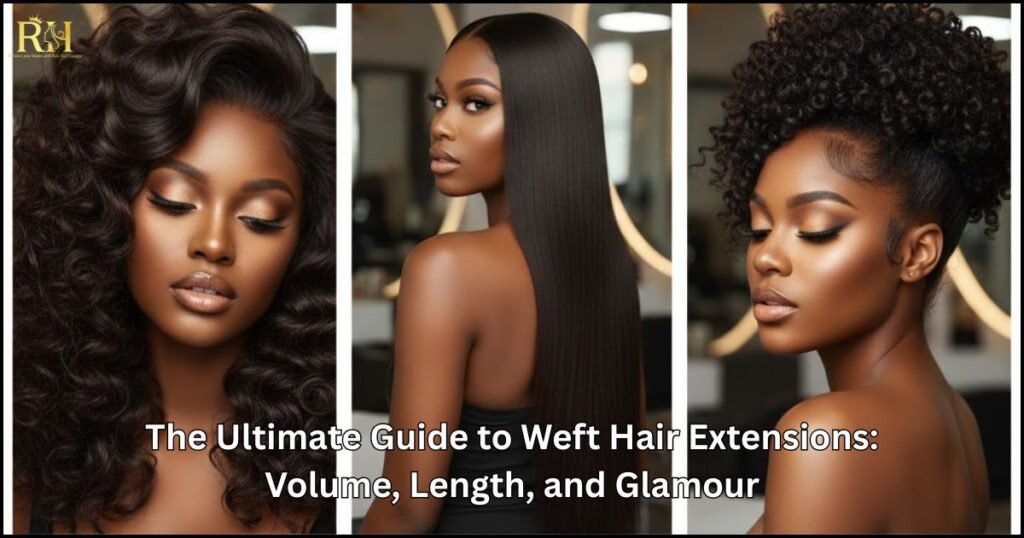
Let’s be honest for a second: we’ve all had those days where we scroll through Instagram, look at a celebrity’s cascading, thick waves, and sigh at our own reflection. Why does their hair look like a majestic waterfall while ours looks a bit more like… well, a trickle? The secret usually isn’t better genetics or magic vitamins. It’s an extension. Specifically, it’s the world of wefts.
If you are new to the hair game, the terminology can be overwhelming. But don’t worry, grab a coffee, and let’s chat about transforming your hair. We are going to dive deep into everything you need to know about weft hair extensions, from the types of hair to how they are installed.
What Exactly Are Weft Hair Extensions?
Think of a “weft” like a curtain of hair. Instead of individual strands attached one by one (which takes forever), a weft is a continuous collection of hair strands sewn onto a super thin strip at the top. This strip is then attached to your head.
Imagine adding layers to a cake; you aren’t sprinkling crumbs; you are adding a whole new slice of deliciousness at once. That’s a weft. They are designed to cover large areas of your head quickly, providing instant volume and length without the headache of gluing hundreds of tiny pieces.
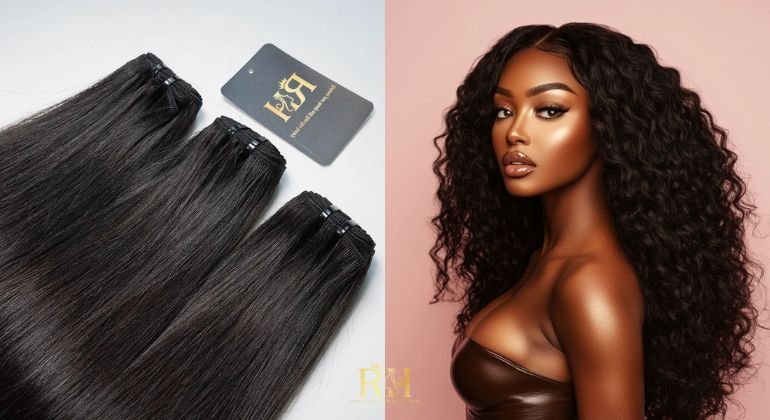
The Material World: Synthetic vs Human Hair Weft Hair Extensions
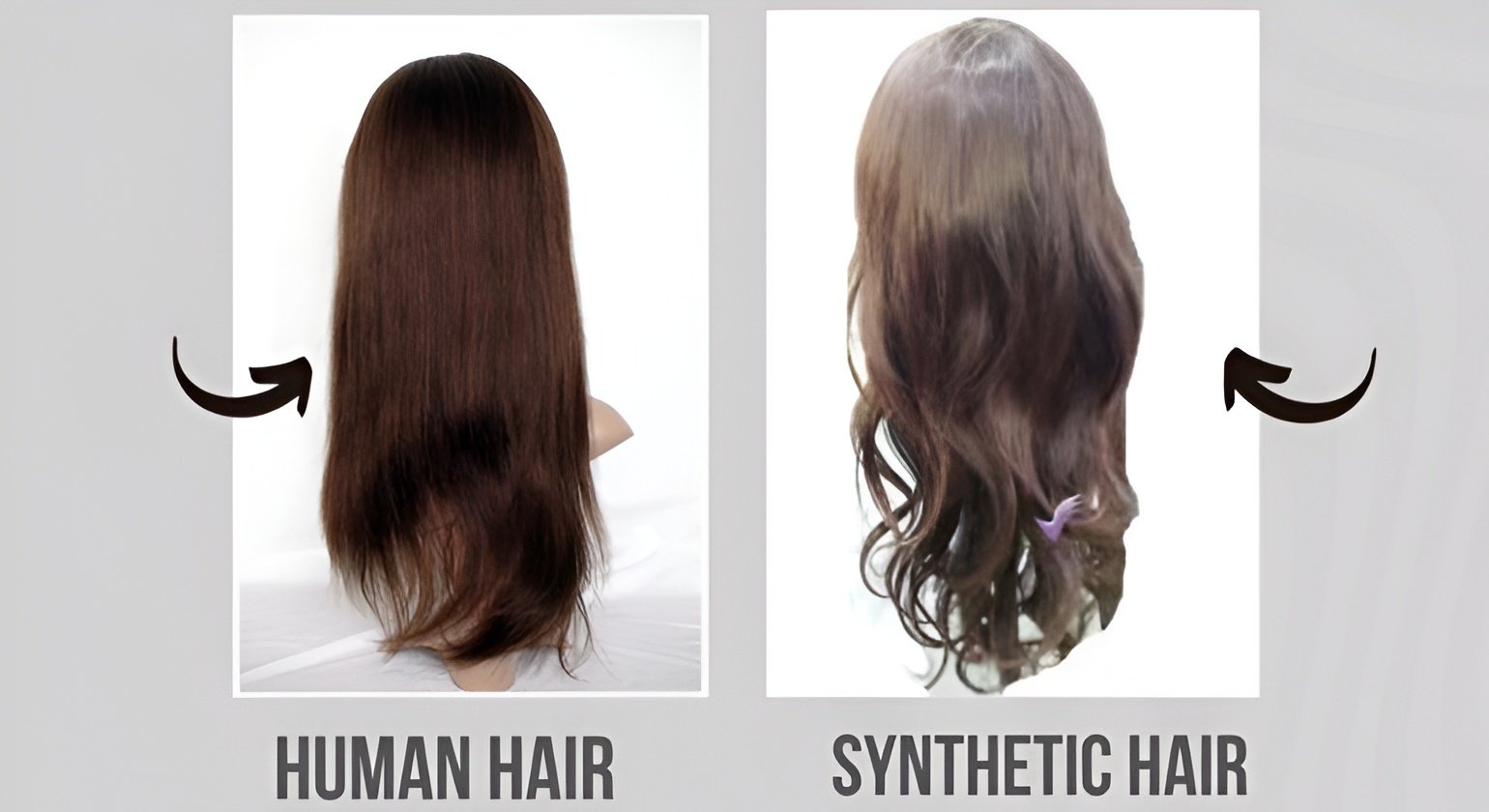
When you start shopping, you’ll see a massive price variance. This usually comes down to what the hair is made of. You have synthetic options (plastic fibers) and natural options.
Why 100% Human Hair Wins Every Time
If you want to look like a goddess rather than a doll, you need to invest in human hair weft hair extensions. Synthetic hair might be cheaper, but it has a high shine that looks unnatural, and you can’t use heat styling tools on it without melting it.
Human hair moves, bounces, and reflects light just like your own hair. You can curl it, straighten it, and wash it. When you are wearing wefts, you want people to ask, “Who does your hair?” not “Where did you buy that wig?”
Breaking Down the Different Types of Wefts
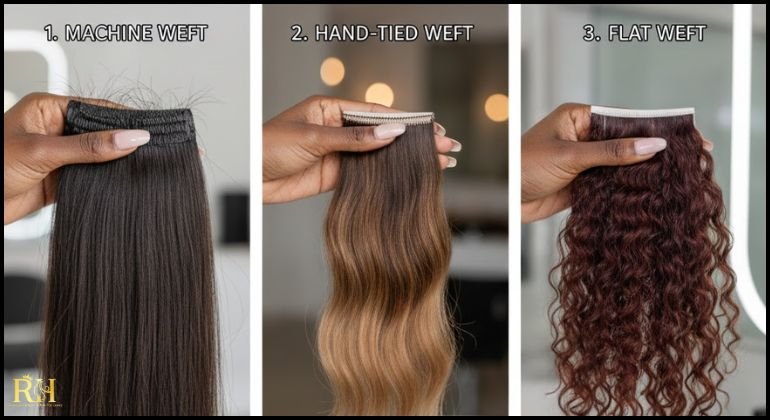
Not all wefts are created equal. The construction of the top strip (the “weft” part) changes how the hair lays on your head.
Machine Wefts: The Durable Workhorse
These are made by sewing hair together with an industrial machine. They are thicker at the root, which means they are super durable and hold a lot of hair. If you have thick hair naturally, these are great because they add serious volume. However, because the top seam is thicker, they can be harder to hide if you have very fine hair.
Hand Tied Wefts: The Invisible Luxury
As the name suggests, these are tied by hand. The seam is incredibly thin and almost invisible. They lay completely flat against your scalp, making them virtually undetectable. If you run your hand over your head, you barely feel them. The catch? You cannot cut the weft horizontally, or it will unravel.
Hybrid and Genius Wefts: The Best of Both Worlds
Technology moves fast, doesn’t it? Hybrid or “Genius” wefts are the new kids on the block. They offer the thinness of a hand-tied weft but are bonded in a way that allows them to be cut like a machine weft. They are becoming the gold standard for versatility.
Popular Installation Methods Explained
So, you have the hair. How does it stay in your head? There isn’t just one way to skin this cat (terrible analogy, I know, but stick with me).
The Classic Sew In Weft Hair Extensions
This is the OG method. For sew in weft hair extensions, the stylist first braids your natural hair into tiny cornrows. These braids act as the “anchor.” Then, using a needle and thread, they literally sew the weft of hair onto the braid.
It’s secure, sturdy, and great for thick hair. However, if the braids are too tight, it can cause tension, so you need a stylist who knows their craft.
The Magic of Beaded Weft Hair Extensions
This is the modern favorite, often called the “braid less sew in.” Instead of braiding your hair, the stylist uses silicone-lined microbeads to create a track using your own hair. The weft is then sewn onto this beaded track.
Sometimes, in the search for this method, you might see typos online like beade weft hair extensions, but they are referring to this specific beaded row method. It allows your scalp to breathe more than the full braided sew in and lies very flat. It’s comfortable, flexible, and causes minimal damage when done correctly.
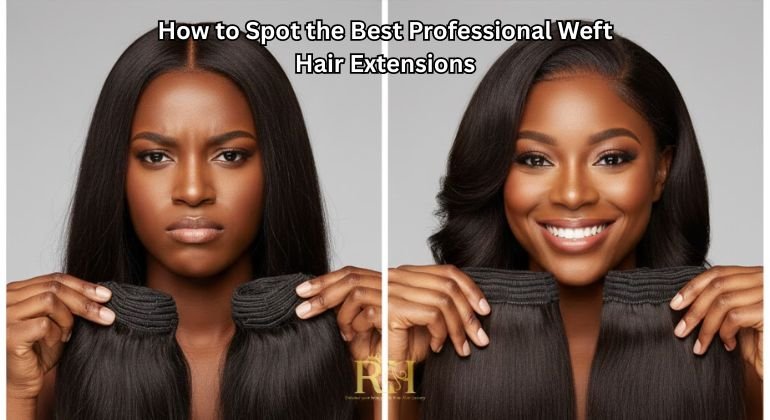
How to Spot the Best Professional Weft Hair Extensions
You don’t want to buy hair that turns into a rat’s nest after one wash. To find the best professional weft hair extensions, you need to look at the “grade” and the source.
The Importance of Cuticle Alignment (Remy Hair)
You want “Remy” hair. This means the cuticles (the outer layer of the hair strand) are all facing the same direction, from root to tip. If the cuticles are mixed up, they catch on each other like Velcro, causing insane tangling. Professional grade hair is always 100% Remy human hair.
The Installation Experience: What Happens in the Chair?
Walking into the salon, expect to be there for a while usually 2 to 4 hours.
- Consultation: Color matching is key.
- Prep: Your hair is washed and clarified.
- Sectioning: The stylist maps out where the rows will go.
- Installation: Whether it’s sew in weft hair extensions or the beaded route, the rows are installed.
- The Cut: This is crucial. The extensions must be blended and textured to flow seamlessly with your natural hair.
Living with Wefts: Maintenance and Aftercare
Congratulations, you have long hair! Now, how do you keep it from looking like a bird’s nest?
Washing and Styling Your New Mane
You don’t need to wash your hair every day in fact, please don’t. Dry shampoo is your new best friend. When you do wash, use sulfate free shampoo. Sulfates are harsh detergents that can strip the extensions of moisture. Since extensions don’t get oils from your scalp like your natural hair, they need extra hydration. Mask it up!
Sleeping Safely with Extensions
Never, and I mean never, sleep with wet extensions. It causes matting that is a nightmare to detangle. Before bed, brush your hair gently and put it in a loose braid or a low ponytail. A silk pillowcase is also a game changer; it reduces friction, preventing frizz while you dream.
How Long Do Weft Extensions Actually Last?
This is a two-part answer.
- The Hair Itself: High-quality human hair weft hair extensions can last anywhere from 6 months to a year (or longer) if you treat them like gold.
- The Move Up: Your natural hair grows, right? As it grows, the weft moves down, away from your scalp. You will need to visit your stylist every 6 to 8 weeks to have the wefts “moved up” or re tightened.
Are Weft Extensions Damaging to Your Natural Hair?
This is the million dollar question. The truth is, any extension has the potential to cause damage if installed incorrectly or neglected. However, weft extensions especially the beaded row variety are considered one of the safest methods. There is no heat and no glue involved.
If you stick to your move up schedule and don’t pull on them, your natural hair can actually grow quite healthy underneath the protective curtain of the weft.
Conclusion
Weft hair extensions are more than just a beauty accessory; they are a confidence booster. Whether you opt for the durability of sew in weft hair extensions or the flat, seamless look of beaded weft hair extensions (beaded rows), the result is the same: fuller, longer, head turning hair.
Investing in the best professional weft hair extensions is an investment in yourself. Yes, it requires maintenance, and yes, it’s not cheap. But the feeling of tossing that thick ponytail over your shoulder? Absolutely priceless. So, go ahead, make that appointment, and get ready to flip your hair like you mean it.
🔥Remember to visit our social media pages Hair Luxury now so you don’t miss out on the day’s deals!!!🔥
📲Phone/WhatsApp: +1 (206) 698‑5133
🛜Instagram: RAW HAIR LUXURY COMPANY
🌐Tik Tok: RAW HAIR LUXURY
📧 Email: Rawhairluxury.us
🌐Website: rawhairluxury.com