
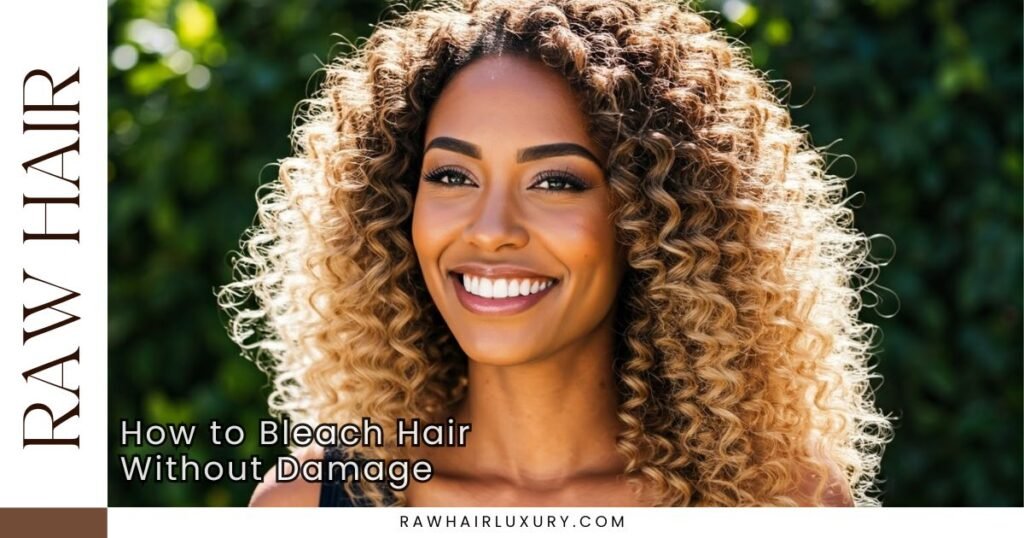
How to Bleach Hair Without Damage – The Professional Method for Healthy Lightening
Lightening your hair can completely transform your appearance, but many people hesitate because of one major fear of damage. The truth is that modern hair bleaching techniques, when applied correctly, make it possible to bleach hair without damage or with minimal structural stress.
The key difference between healthy lightening and destructive bleaching is not the product, it is the method. Safe hair lightening depends on preparation, chemical control, timing precision, and consistent aftercare. Without these elements, even expensive products cannot protect hair from bleach.
This comprehensive guide explains the professional bleaching method used to achieve dramatic color change while preserving strength, elasticity, and shine. Whether you plan at home hair bleaching or salon treatment, understanding these principles will help you achieve predictable, healthy results.
Why Hair Gets Damaged During Bleaching
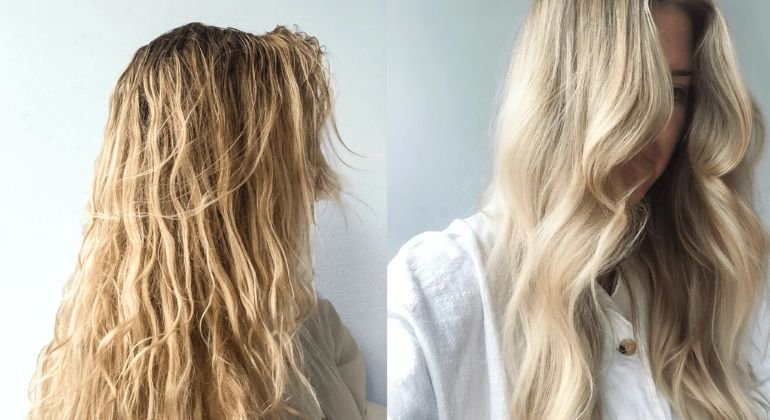
To bleach hair without damage, you must understand what causes damage in the first place.
Bleach removes natural pigment through oxidation. During this process, protective layers of the hair shaft lift open, allowing chemicals to penetrate deeply. If exposure is excessive or poorly controlled, internal protein structures weaken.
Common causes of bleaching damage:
- Chemical strength too high
- Processing time too long
- Repeated bleaching without recovery
- Weak hair before treatment
- Lack of moisture support
Hair does not become damaged simply because it is lightened. It becomes damaged when the hair bleaching techniques used are too aggressive for its condition.
Safe hair lightening focuses on controlled lifting – not maximum speed
Hair Strengthening Before Bleaching
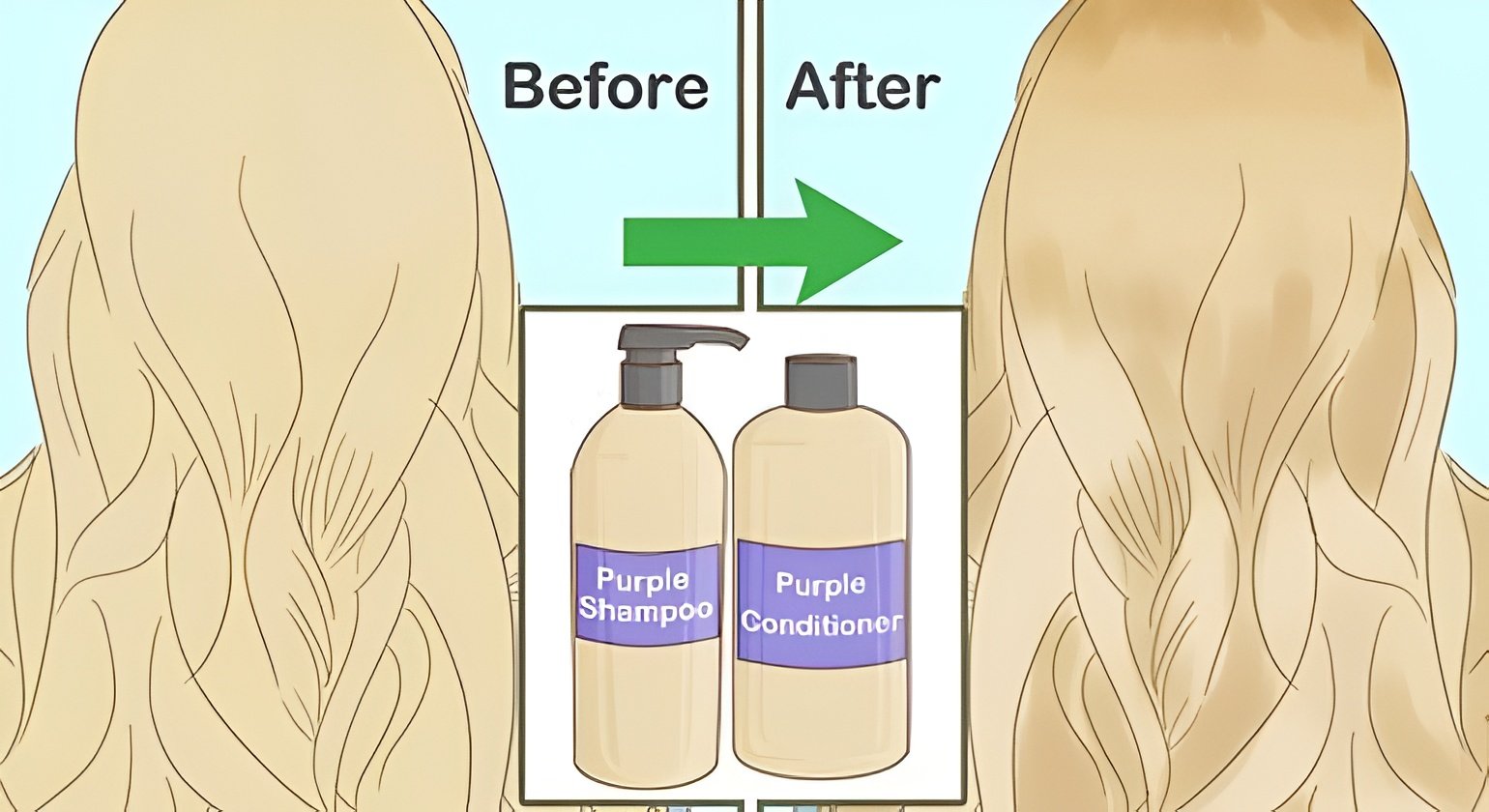
Preparation is the most powerful way to bleach hair without damage. Professionals often spend more time preparing hair than actually applying bleach.
Hair strengthening before bleaching improves elasticity, resilience, and moisture balance. Strong hair tolerates chemical change far better than fragile strands.
Preparation should begin at least 10–14 days before bleaching.
Essential preparation steps:
- Intensive hydration treatments twice weekly
- Gentle cleansing to preserve natural oils
- Reduced heat styling
- Protein reinforcement for structural support
- Detangling carefully to avoid mechanical stress
When hair is properly prepared, safe hair lightening becomes significantly more predictable and uniform.
The Gradual Hair Lightening Method
One of the most important professional hair bleaching techniques is gradual lifting. Trying to achieve dramatic change in a single session is the fastest way to cause breakage.
The gradual hair lightening method involves multiple controlled sessions spaced over time. Each session removes a portion of pigment while allowing recovery between treatments.
Benefits of gradual lifting:
- Reduced structural stress
- Better color control
- Lower risk of uneven tone
- Improved ability to protect hair from bleach
- Healthier long-term results
This method is widely considered the safest approach when transitioning from dark to very light shades.
Professional Bleaching Method Step by Step
Understanding how professionals bleach hair without damage helps guide safer at home hair bleaching decisions.
Step 1 — Hair Assessment
Evaluate thickness, porosity, chemical history, and strength. Weak hair requires treatment before lightening.
Step 2 — Strategic Sectioning
Precise sectioning ensures even product distribution and consistent safe hair lightening.
Step 3 — Controlled Application
Different hair zones process at different speeds. Balanced application prevents patchy color.
Step 4 — Active Monitoring
Hair is checked frequently for elasticity and lift progress.
Step 5 — Immediate Stabilization
After rinsing, restorative treatments begin immediately to protect hair from bleach effects.
This professional bleaching method focuses on control, not speed.
At Home Hair Bleaching: How to Reduce Risk
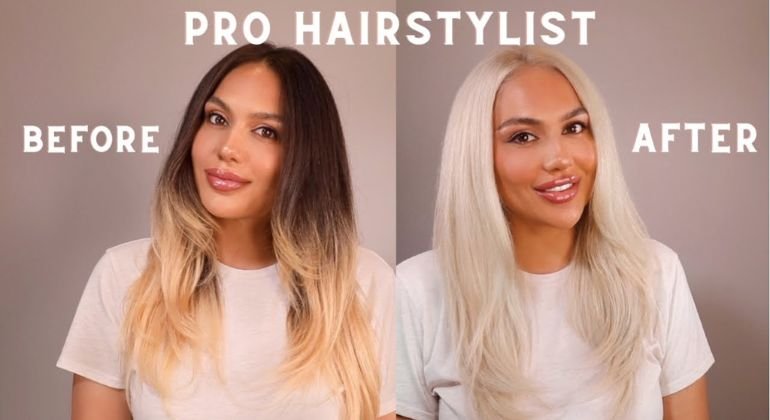
At home hair bleaching can be successful when approached carefully. However, it requires discipline and realistic expectations.
To bleach hair without damage at home:
- Perform a strand test every time
- Choose moderate developer strength
- Apply evenly and methodically
- Monitor constantly
- Never reapply immediately after rinsing
Many cases of severe damage occur when people attempt repeated applications in one day. Safe hair lightening requires patience.
If hair shows signs of over processed hair — stretching excessively, feeling gummy, or breaking easily — stop immediately and begin restoring hair after bleaching.
How to Protect Hair from Bleach During Processing
Protection during the lightening process is just as important as preparation.
Methods professionals use to protect hair from bleach include:
Moisture buffering
– Hydrated hair resists excessive dryness.
Bond reinforcement systems
– These help maintain structural integrity.
Precise timing
– Chemical exposure must match hair tolerance.
Temperature control
– Heat accelerates chemical activity.
These protective measures define modern hair bleaching techniques focused on health preservation.
Signs of Over Processed Hair
Recognizing early warning signs prevents severe damage.
Watch for:
- Extreme dryness immediately after rinsing
- Hair stretching excessively when wet
- Rough, uneven texture
- Increased shedding or snapping
- Loss of shine
If any of these occur, stop further bleaching and begin restoring hair after bleaching immediately.
Early intervention makes recovery faster and more effective.
Restoring Hair After Bleaching
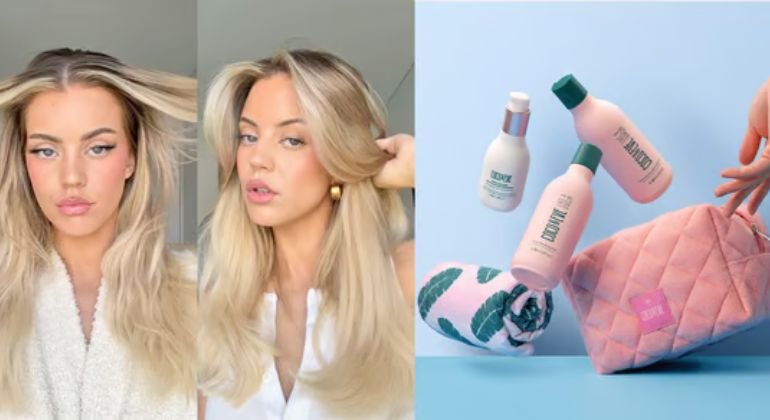
Even when you bleach hair without damage, hair still needs recovery support.
Restoring hair after bleaching focuses on rebuilding structure and replenishing moisture.
Essential recovery practices:
- Deep conditioning for bleached hair weekly
- Protein rebuilding treatments regularly
- Heat styling minimized
- Leave-in hydration daily
- Protective styling when possible
Recovery is not optional — it is part of safe hair lightening.
Maintaining Lightened Hair Color Long Term
Healthy maintenance preserves both strength and color vibrancy.
Maintaining lightened hair color requires:
- Gentle cleansing routines
- Consistent moisture balance
- UV protection
- Regular toning
- Routine trimming
Lightened hair needs ongoing care because its structure is more porous and sensitive.
Long-term maintenance is the final step in learning how to bleach hair without damage successfully.
Common Mistakes That Cause Severe Bleaching Damage
Avoid these high-risk behaviors:
- Skipping preparation entirely
- Using maximum developer strength
- Overlapping bleach on already lightened hair
- Ignoring processing time
- Neglecting recovery treatments
Most damage results from impatience not from bleaching itself.
Expert Tips for the Safest Hair Lightening Results
Professionals consistently follow these habits:
- Lift gradually instead of aggressively
- Prioritize hair condition over color speed
- Balance protein and moisture carefully
- Monitor hair constantly during processing
- Maintain structured aftercare routines
These habits make it possible to bleach hair without damage consistently.
Conclusion
Bleaching does not have to destroy hair. With the right preparation, controlled hair bleaching techniques, and disciplined aftercare, safe hair lightening is entirely achievable.
From hair strengthening before bleaching to maintaining lightened hair color long term, every step plays a role in protecting structure. Whether you choose professional treatment or careful at home hair bleaching, patience and precision are the keys to success.
Healthy lightened hair is not luck it is the result of informed technique and consistent care.
🔥Contact us for more information!!!🔥
📲Phone/WhatsApp: +1 (206) 698‑5133
🛜Instagram: RAW HAIR LUXURY COMPANY
📧 Email: Rawhairluxury.us
🌐Website: rawhairluxury.com