
A bad hair day is forgivable. A bad hair smell is harder to ignore for you and everyone standing close enough to notice. If you’ve tried perfume, dry shampoo, or scented products with only short-term success, the issue likely isn’t your fragrance choice. It’s what’s happening at the scalp level, and that’s exactly where a lasting solution needs to start.
This guide explains how to make your hair smell good naturally by addressing the actual causes of hair odor, not just masking it. We’ll cover the science of why hair holds onto smell, safe and effective natural remedies, scalp health habits that prevent odor before it starts, and special considerations if you wear extensions, weaves, or wigs.
Why Does Hair Smell Bad in the First Place?
Understanding the cause of hair odor is the first step toward a lasting fix. Hair itself doesn’t generate the smell of your scalp and the environment around you.
Sebum and Bacterial Activity
Your scalp produces sebum, a natural oil that keeps hair lubricated and protected. When sebum mixes with sweat and the natural bacteria that live on every scalp, it can begin to oxidize, producing a musty or sour odor particularly in people with naturally oilier scalps or those who exercise frequently.
Hair’s Porous Structure Traps Odor Molecules
Here’s something most articles on this topic miss entirely: hair strands have a porous, scale-like cuticle structure that actually absorbs airborne odor molecules, much like fabric does. This is why hair smells like cigarette smoke, cooking oil, or barbecue smoke long after you’ve left the room, your hair has physically absorbed those compounds, not just brushed past them.

Product Buildup
Heavy styling products, dry shampoo residue, and hard water mineral deposits can accumulate on the scalp and hair shaft over time. This buildup creates a breeding ground for bacteria and yeast, often producing a stale or rancid smell that persists even after washing if not properly removed with a clarifying treatment.
Underlying Scalp Conditions
Persistent odor that doesn’t improve with good hygiene can sometimes signal an underlying scalp condition such as seborrheic dermatitis (a yeast-related inflammatory condition) or a fungal infection. These conditions often come with other symptoms like flaking, redness, or itching, and typically require a medicated shampoo or dermatologist-guided treatment rather than natural remedies alone.
Natural Remedies to Make Hair Smell Good
These remedies work by either reducing the bacteria and oil that cause odor or by infusing hair with a pleasant, lasting natural scent. Used correctly and safely, they can make a real difference.
Apple Cider Vinegar Rinse

Diluted apple cider vinegar helps balance scalp pH, which discourages the bacterial and yeast overgrowth responsible for much of the bad odor associated with hair. Mix one part apple cider vinegar with three parts water, apply after shampooing, leave on for two to three minutes, then rinse thoroughly. The vinegar smell dissipates quickly as the hair dries, leaving a clean, neutral base scent behind.
Rosewater Spritz
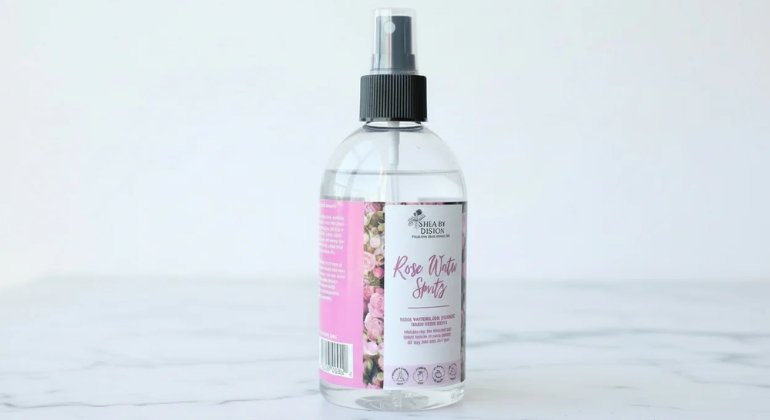
Rosewater offers a gentle, calming fragrance and has mild astringent properties that can help control excess oil on the scalp. Lightly mist rosewater over dry or damp hair and gently comb through for even distribution. Unlike alcohol-based perfumes, rosewater won’t dry out the hair shaft, making it suitable for daily use.
Diluted Essential Oil Treatments
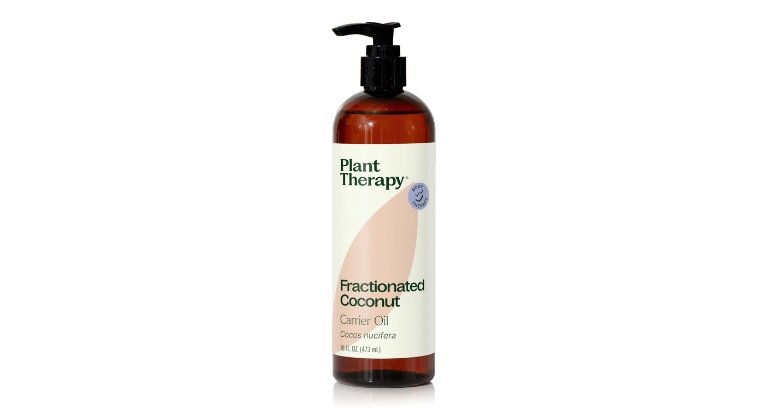
Lavender, jasmine, and tea tree oils all carry natural antimicrobial properties that can help reduce the bacteria contributing to scalp odor, alongside a pleasant lingering fragrance. The key safety point many guides get wrong: essential oils should always be diluted in a carrier oil, such as jojoba or argan oil, at a ratio of roughly two to three drops of essential oil per tablespoon of carrier oil, and left on the scalp for 20 to 30 minutes — not overnight, and never for the 10+ hours some sources suggest, as prolonged exposure can irritate the scalp.
Cinnamon Infused Rinse
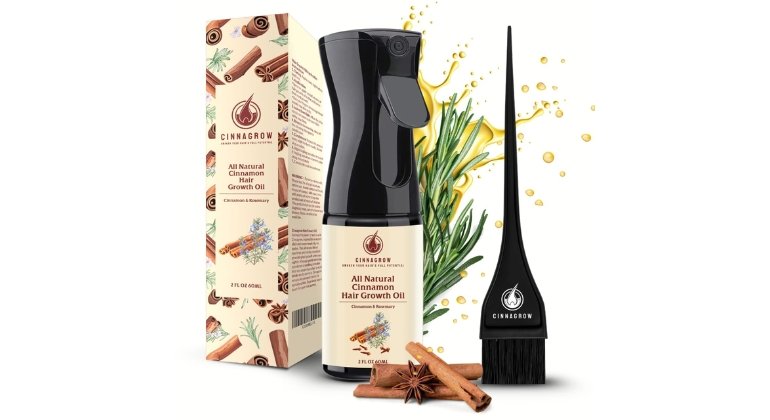
Cinnamon has antimicrobial properties that may help with scalp odor and mild dandruff. Simmer two cinnamon sticks in water for five minutes, let it cool completely, and use it as a final rinse after shampooing. Always do a patch test first, since cinnamon can cause a tingling or burning sensation on sensitive scalps.
Green Tea Rinse

Green tea contains tannins and antioxidants that may help reduce scalp inflammation and oil production. Brew a strong cup, let it cool, and use it as a rinse after your regular wash. It’s a gentle option suitable for daily use.
Daily and Weekly Habits for Long Lasting Freshness
Natural remedies work best alongside consistent scalp care habits: Building these into your routine addresses the root causes of hair odor rather than just treating symptoms after they appear.
Wash according to your scalp type, not a fixed schedule: Oilier scalps may need washing every one to two days, while drier or curlier hair types can go three to five days between washes without odor buildup, provided the scalp is otherwise healthy.
Use a clarifying shampoo every one to two weeks: This deep cleans residue that regular shampoo leaves behind, particularly important if you use a lot of styling products or live in a hard water area.
Dry your hair fully before bed: Sleeping with damp hair traps moisture against the pillow and scalp, creating ideal conditions for bacterial growth and a musty smell by morning.
Switch to a silk or satin pillowcase: Cotton absorbs and holds onto oils and odors more readily, and the added friction can also worsen oil distribution across the scalp overnight.
Protect your hair in smoky or heavily scented environments: A silk scarf or light hair wrap prevents the absorption of cooking smoke, cigarette smoke, or strong ambient odors into the hair shaft addressing the porosity issue covered earlier rather than just covering the smell afterward.
Watch your diet: Strong-smelling foods like garlic, onions, and certain spices can be partially excreted through sweat, including scalp sweat, subtly affecting how your hair smells over the following day.
Special Considerations for Extensions, Weaves, and Wigs
If you wear hair extensions, a weave, or a wig, odor management requires a slightly different approach, since these systems don’t receive the same natural cleansing as your scalp and can trap odor in unique ways.
Clean the scalp beneath a sew-in or closure using a diluted, sulfate-free shampoo applied with a nozzle applicator bottle to reach the scalp directly without disturbing the install. Follow with a lightweight, alcohol-free leave-in spray to keep both the scalp and the hair fibers fresh between full washes.
For wigs and clip-ins that are removed daily, allow them to fully air out on a stand after each wear rather than storing them immediately in a bag, since trapped moisture and warmth accelerate bacterial growth on the wefts.
Use a fabric-safe, alcohol-free refreshing spray formulated for human hair extensions rather than standard hair perfume, which often contains alcohol that can dry out and damage the hair fiber over repeated use.
Wash human hair extensions and weaves every one to two weeks with a sulfate-free shampoo, followed by a lightweight conditioner, to prevent the product buildup and oxidized residue that cause persistent odor in reusable hair systems.
When Natural Remedies Aren’t Enough
If you’ve consistently followed good scalp hygiene and tried natural remedies for several weeks without improvement, it may be time to look beyond home solutions. Persistent odor accompanied by flaking, redness, itching, or visible scalp irritation often points to a condition like seborrheic dermatitis or a fungal infection, both of which respond far better to a medicated shampoo containing ingredients like ketoconazole or zinc pyrithione than to natural remedies alone.
A dermatologist or trichologist can also identify less common contributing factors, such as hormonal imbalances or certain medications, that may be affecting your scalp’s oil production and odor independent of your hygiene routine.
The Bottom Line on Naturally Fresh-Smelling Hair
Making your hair smell good naturally isn’t about finding the right perfume — it’s about addressing the scalp environment and habits that create odor in the first place. Combining the right natural rinses, a washing routine matched to your scalp type, smart protective habits, and a willingness to seek professional help when needed will keep your hair smelling genuinely fresh, not just temporarily masked.
Ready to keep your natural hair, extensions, or wig smelling as good as they look? Contact us today for expert product recommendations and an exclusive discount on premium, easy-to-maintain human hair extensions.
📲Phone/WhatsApp: +1 (206) 698‑5133
🛜Instagram: RAW HAIR LUXURY COMPANY
🌐Tik Tok: RAW HAIR LUXURY
📧 Email: Rawhairluxury.us
🌐Website: rawhairluxury.com