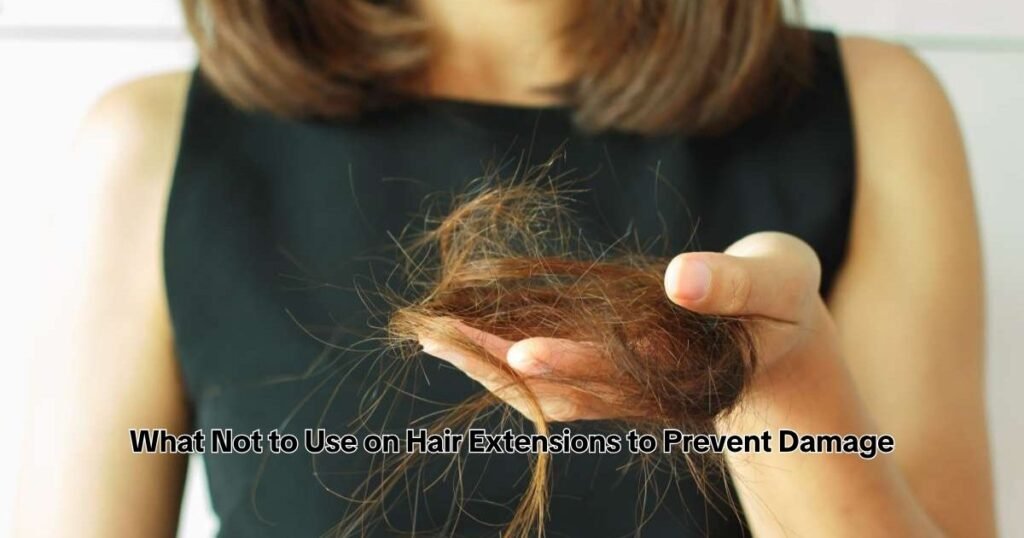
Hair extensions can transform your look, but they require a very different care routine than your natural hair. Because extensions are cut, processed hair, they don’t receive any natural oils from the scalp and dry out much faster. In practice, that means any harsh product or habit that strips moisture or stresses the strands will damage extensions quickly. This guide explains exactly what not to use on your extensions – from sulfate shampoos to sticky styling gels – so you can prevent brittleness and tangling. By avoiding these common pitfalls and choosing gentle, hydrating products instead, you’ll keep your extensions soft, shiny, and long-lasting.
Treat Extensions Differently from Natural Hair (Hair Extension Care)
Hair extensions aren’t living tissue once removed from the scalp, they no longer get nourishment. Natural hair benefits from scalp oils and nutrients delivered by blood, but extensions must rely entirely on the products you apply. Processed extension hair (even high-grade Remy) is more fragile than untouched hair, so products that your own hair “can handle” might be too aggressive for extensions. In fact, Raw Hair Luxury notes that raw (unprocessed) extensions maintain an intact cuticle and behave differently under stress compared to typical Remy or colored hair.

Because of this, always assume gentler is better with extensions. Avoid any routine that feels extreme for your natural hair – fewer washes, cool water, and very gentle handling are key. If your extensions start feeling unusually dry or stiff, the culprit is often a product or habit that strips moisture. Look for products specifically labeled for extension care (sulfate- and paraben-free, etc.), and treat your extensions as you would a delicate fabric rather than normal hair.
Sulfates and Parabens: Avoid Harsh Cleansers
One of the worst mistakes is using sulfate shampoos on extensions. Sulfates (like SLS or SLES) are foaming detergents that strip oils aggressively. While your natural hair can usually cope with occasional sulfate use, extensions have no oil reserve, so each wash can leave them drier and more brittle. Dermatologists confirm that sulfates “strip natural oils from the hair and scalp” leading to dryness and damage. In practice, that means over time your extensions will become tangled, matte, or even split.
Likewise, parabens and other strong preservatives can be problematic. These chemicals can irritate the scalp and may dry out hair. Extension specialists all agree: avoid shampoos and conditioners with sulfates, parabens or other harsh additives. Instead, choose a sulfate-free, moisturizing shampoo specifically formulated for extensions or color-treated hair. These gentle formulas cleanse without removing all moisture. For example, one stylist advises focusing shampoo only at the scalp and letting the gentle lather rinse through the lengths, rather than scrubbing the extension hair hard.
- To Avoid: Sodium Lauryl Sulfate (SLS), Sodium Laureth Sulfate (SLES), other sulfates, parabens (e.g. methylparaben), and strong clarifying agents.
- Use Instead: Sulfate-free shampoos/conditioners made for extensions (often labeled “extended wear” or “for wigs/extensions”) that keep strands hydrated.
Drying Alcohols in Styling Products
Not all alcohols are bad, but many hair sprays, gels and mousses contain “drying” alcohols (like denatured alcohol, SD alcohol, or isopropyl alcohol). These evaporate quickly to set your style, but in the process they draw moisture out of the hair shaft, leaving strands stiff and brittle. Over time, heavy use of such sprays will make extensions feel parched and sticky.
To protect your extensions, read labels and avoid products where traditional alcohol is listed near the top of the ingredients. Experts note that switching to sprays and styling aids with lower alcohol content (or no alcohol at all) can noticeably improve softness and longevity. For example, one specialist advises avoiding strong hold sprays with alcohol near the top of the list, and choosing lightweight finishing sprays instead.
- To Avoid: Alcohol denat., SD alcohol, isopropyl alcohol, ethanol – especially in hairsprays, mousses, or gels.
- Use Instead: Light hold, alcohol-free styling products. Choose light mousse or fine mist sprays, and always apply any heat protectant before heat styling (look for formulas labeled “extension safe” or “moisture-rich”).
Heavy Oils, Silicones, and Sticky Styling Products
It may sound odd, but overusing oil-based or silicone-rich products can also damage extensions. Heavy oils (like pure coconut or olive oil) and thick silicone serums can weigh extension bonds down or even weaken tape adhesives. Silicones (often ingredients ending in “-cone” or “-siloxane”) do make hair feel smooth initially, but they build up a coating that traps dirt and blocks moisture over time. This leads to dull, lifeless extensions that require harsh clarifiers to reset – a damaging cycle.
Similarly, sticky or waxy styling products (strong gels, pomades, mousse, or heavy hairspray) are big no-gos. These substances make hair appear “dirty” quickly, forcing frequent washes that strip moisture. If you use such products daily, your extensions will dry out and tangle.
- To Avoid: Heavy oils (like coconut or castor in excess), thick silicone serums (e.g. dimethicone-based), sticky gels or waxes, and any styling products labeled “strong hold” with heavy polymers.
- Use Instead: Light, nourishing alternatives. A tiny drop of lightweight oil (like argan or sweet almond) applied only to the ends is enough to add shine without buildup. Choose silicone-free serums or leave-in conditioners and apply sparingly. For styling, use water- or alcohol-based sprays and light mousse for volume, rather than heavy gels. Less is more – extension hair stays healthiest when it isn’t overloaded with product.
No Protein Overload (Keratin/Amino Acid Treatments)
Do not use protein or keratin treatments on extensions. Although keratin and protein treatments strengthen natural hair, extensions already consist of dead protein fibers. Applying extra protein can overload the hair shaft, making extensions stiff, straw-like, and prone to breakage. Experts explain that because extensions no longer receive natural hydration, they need moisture – adding protein upsets the balance. In fact, salons recommend entirely protein-free shampoos, conditioners, and heat protectants for extensions.
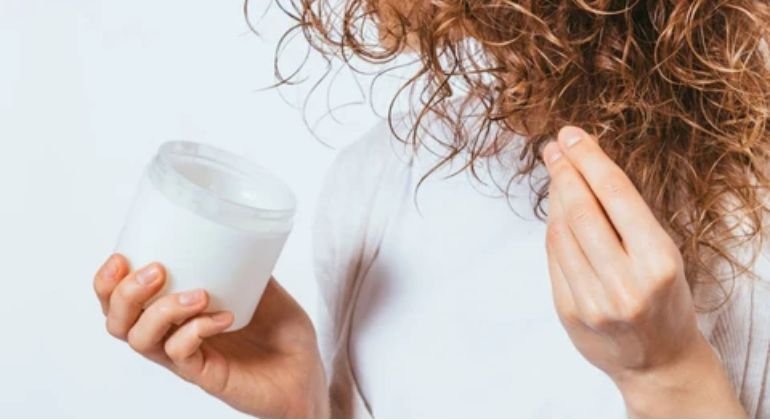
- To Avoid: All protein/keratin/ amino-acid-based shampoos, conditioners, masks or leave-in treatments (including well-known brands like Olaplex, Redken Extreme, etc.).
- Use Instead: Purely moisturizing products. Hydrating shampoos and conditioners (without any protein or keratin listed) are key. Focus on ingredients like shea butter, argan oil, and glycerin, and do deep moisturizing masks occasionally. If your extensions ever accidentally receive a protein treatment, a thorough moisture rebuild (hydrating masks and leave-ins) is needed to reverse the stiffness.
Washing Frequency, Heat Styling, and Harsh Treatments
Even with the right products, bad habits can kill your extensions. Overwashing is a common culprit. Since extensions don’t generate oil, washing them too often simply washes out the limited moisture they have. Hair extension pros suggest washing no more than 2–3 times per week unless absolutely needed. This keeps scalp fresh while preserving the lengths. Also, rinse and condition properly: focus conditioner on mid-lengths and ends (skip roots) and leave it in a few minutes for deep hydration.
Heat styling is another silent damage factor. High temperatures (e.g. flat irons or curling wands at 400°F) can permanently dehydrate extension hair. Even gentle blow-drying should be done on low to medium heat. Aim for cool drying (like air-drying or low-temp blow-dry) whenever possible. Give your extensions periodic break from heat: skip the irons a few days a week. According to experts, lowering tool temperatures and using a quality heat protectant is essential to maintain softness.
- To Avoid: Very hot styling (temperatures above 350°F), blow-drying on high heat, and daily heat styling without protection. Over-bleaching or chemically stressing extensions (like perms or straightening treatments at home) should also be off-limits.
- Use Instead: Professional-grade heat protectants (protein-free) before any styling. Embrace air-drying or cool-shot on your blow dryer. Remember: if extensions start feeling rough after a wash, try skipping the hairdryer or lowering its temperature.
Protect Extensions at Night and Water (Sleeping Habits)
Many people forget that wet hair is fragile. Going to bed with damp or wet extensions is a recipe for tangles. In water, hair swells and becomes elastic, and overnight friction against a pillow will mat and mat the extensions. Always dry extensions completely before sleep. If you must wash at night, do a quick blast or use a microfiber towel to remove most moisture. Then loosely braid or tie your hair in a soft ponytail to minimize rubbing. Using a silk or satin pillowcase also helps reduce friction.

Likewise, protect extensions from chlorine and salt water. Both drying agents will strip moisture from human hair. Before swimming, rinse your extensions with fresh water and braid them securely. After swimming, rinse immediately and apply a gentle conditioner or mask. Even sweat (e.g. during workouts) can dry extensions out; consider a light moisturizing spray if you’ll be very active.
Bedtime routines matter. By keeping extensions dry at night and loosely secured, you prevent the knots and matting that start with wet friction. If you frequently wake up with tangles at the nape or crown, adjust these habits: always dry your extensions and sleep on satin for minimal tugging.
Other Small Culprits
Sometimes damage comes from unexpected sources:
- Talc in Dry Shampoos: Many dry shampoos contain talc, which can coat hair and scalp. Frequent use of talc-based sprays leaves a powdery build-up that is hard to remove without shampoo, potentially clogging the hair fiber and weighing it down. Use talc-free or rice-starch dry shampoos sparingly and rinse them out regularly.
- Clarifying/Anti-dandruff Shampoos: These are formulated to deep-clean scalp oils and flakiness. While occasional clarifiers can help reset product build-up, using them too often on extensions will strip moisture. Save heavy-duty clarifiers for once-in-a-while and use gentle cleansers for routine washing.
- Hair Dye and Bleach: If extensions are already colored or slightly processed, bleaching or harsh dyeing them at home can ruin the cuticle. Experts warn that bleach leads to cuticle damage and structural weakness in Remy hair. Extensions can only be safely dyed darker; lightening usually damages them. If coloring is needed, see a professional or use a demi-permanent dye (with caution).
- Rough Towel Drying: Vigorous rubbing with a towel creates friction that chips at the hair cuticle. Instead, gently squeeze and pat extensions dry with a soft towel or microfiber cloth.
In short, any product or practice that dries out or tangles hair is one to question. As one specialist notes, issues like sudden dryness or tangling usually improve when you stop the “bad” product and switch to a gentler alternative.
How to Spot a Problem
Pay attention to how your extensions behave: Do they tangle more than usual? Feel rough after washing? Lose their shine quickly? If so, audit your products and routine. Check ingredients for sulfates, drying alcohols, heavy silicones, and proteins. Often the fix is simply removing the offending product. Many common complaints (dryness, matting, dullness) have been resolved by clients who switched to extension-safe shampoos and left-in treatments.
Conclusion
Hair extensions can stay beautiful for many months if you avoid these common mistakes. Remember: choose gentle, moisturizing products free of sulfates, parabens, drying alcohols, and heavy silicones. Don’t overwash or overheat, and protect your hair at night and during activities. By treating extensions with a “soft touch,” you’ll reap the reward of soft, shiny, long-lasting hair that looks worth the investment.
Ready to give your extensions the best care? Contact Raw Hair Luxury today for expert advice and premium 100% Vietnamese Remy hair extensions. Subscribe to our newsletter or sign up for an exclusive discount and enjoy healthy, gorgeous hair extensions every day.
Ready to find your perfect match? Contact us today for expert advice and exclusive discounts on premium human hair extensions.
📲Phone/WhatsApp: +1 (206) 698‑5133
🛜Instagram: RAW HAIR LUXURY COMPANY
🌐Tik Tok: RAW HAIR LUXURY
📧 Email: Rawhairluxury.us
🌐Website: rawhairluxury.com