

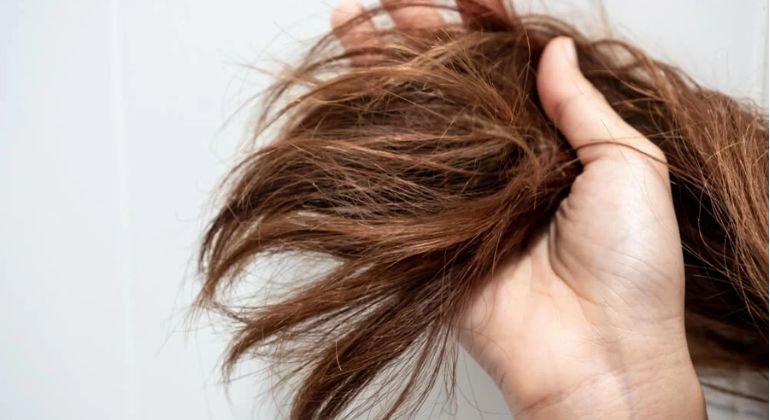
When temperatures drop, your hair takes a double hit. Freezing wind outside strips natural oils, while dry indoor heat sucks out whatever moisture is left. The result is instant static, itchy scalps, dull strands, and frustrating breakage.
Keeping your hair healthy through the winter doesn’t require a 10-step science project. It comes down to three things: protecting your scalp barrier, sealing in moisture, and cutting down on friction.
Here is a straightforward, easy-to-follow winter hair care routine that works for natural hair, styled strands, and high-quality extensions.
Why Winter Is So Hard on Your Hair
Cold air holds very little moisture. When you step outside, the dry air pulls hydration directly out of your hair shaft. When you step back inside, artificial heat causes the protective outer layer of your hair (the cuticle) to lift, speeding up moisture loss.
Because dry air acts as an electrical insulator, static electricity builds up on your strands. They repel each other, creating constant flyaways. Without a strong lipid barrier to lock water inside, your hair loses its stretch and snaps when brushed.
Step 1: Fix Winter Scalp Care First
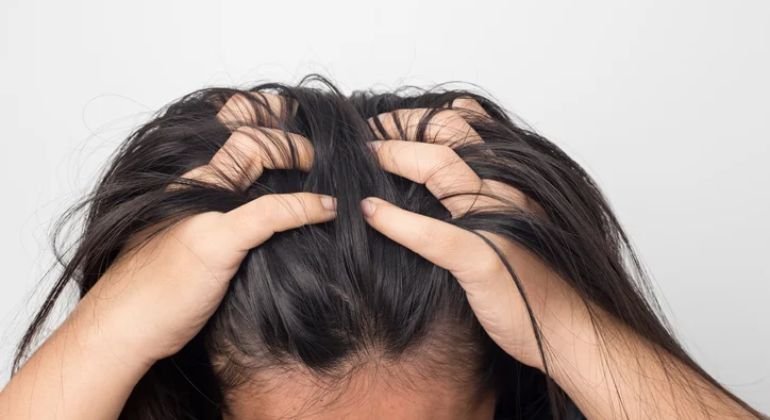
Healthy hair starts with a healthy scalp. During winter, cold winds and dry heat leave your scalp feeling tight, itchy, and flaky.
Before treating flakes, make sure you know what you are dealing with. Dry scalp is just under-hydrated skin that sheds tiny, dry white flakes. Dandruff is caused by excess oil and yeast, producing larger, yellowish flakes.
- Lower the Shower Temp: Hot steam strips your scalp of natural protective oils. Stick to lukewarm water on wash day.
- Pre-Shampoo Scalp Massage: 30 minutes before washing, massage a few drops of jojoba or argan oil into your scalp. Jojoba oil matches your skin’s natural oils, keeping your barrier safe during cleansing. Check out our scalp care guide for step-by-step massage techniques.
- Exfoliate Monthly: Use a gentle liquid scalp exfoliant (like a mild glycolic acid) once every few weeks to lift dead skin cells without harsh scrubbing.
Step 2: Adjust Your Wash Day Routine
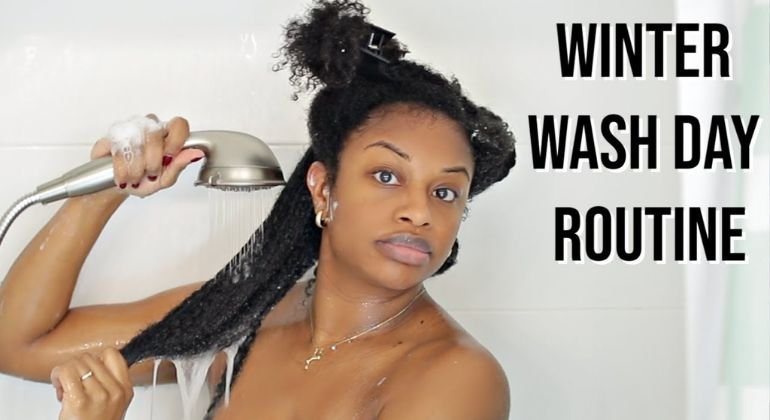
Over-washing in the winter strips away the natural oil coating your hair needs to survive the cold.
- Wash Less Often: Cut back to washing 1 or 2 times per week.
- Use Sulfate-Free Shampoo: Switch to rich, hydrating shampoos that clean without stripping.
- Target the Roots: Apply shampoo only to your scalp. Let the suds clean the ends naturally as you rinse.
- Try Pre-Pooing: Coat your mid-lengths and ends with a lightweight hair oil before you shampoo. This acts as a shield against water-induced swelling and drying.
Step 3: Layer Your Moisture
In the summer, lightweight hydration sprays work fine on their own. In winter, using hydrating sprays without sealing them can actually make your hair drier because the crisp air pulls that water right back out.
Use The Moisture Sandwich Formula:
- Hydrate: Apply a water-based leave-in conditioner to wet or damp hair.
- Seal: Immediately follow up with a natural oil or rich butter to lock that moisture inside the hair shaft.
Adjust for Your Hair Porosity
- Low Porosity (Hair resists water): Use light oils like jojoba or argan with lukewarm water so products absorb easily without buildup.
- High Porosity (Hair absorbs and loses water fast): Use richer creams, shea butter, or castor oil over deep conditioners to plug physical gaps in damaged cuticles.
To repair winter damage, apply a deep hydrating hair mask with hydrolyzed proteins every 7 to 10 days to fill in weak spots along the hair fiber.

Step 4: Stop Static and Friction Damage
Wool coats, acrylic scarves, rough cotton pillowcases, and heavy hats generate micro-friction against your hair. This roughs up the cuticle and snaps off fragile ends.
- Wear Silk or Satin: Choose hats with silk linings, or wrap your hair in a silk scarf before putting on heavy winter woolies.
- Ditch Rough Towels: Swap heavy terrycloth towels for a microfiber towel or an old cotton t-shirt to pat hair dry.
- Switch to Ionic Drying: If you blow-dry, use an ionic hair dryer. It breaks down water molecules faster at lower heat settings. Always apply a quality heat protectant first.
- Tame Flyaways: Lightly spray an anti-static oil or leave-in conditioner onto your brush before combing through your hair.
Step 5: Protect Extensions and Protective Styles
Human hair extensions and raw bundles need extra care in cold weather. Because they aren’t attached to your scalp, they don’t get a natural supply of oils.
If you wear raw hair extensions or protective styles like braids and weaves, follow these rules:
- Daily Misting: Mist extensions daily with a light, alcohol-free hydrating spray and seal the ends with 2 drops of hair oil.
- Care for Closures: Keep your scalp nourished beneath lace frontals by using a nozzle bottle to apply lightweight oil directly between braid tracks.
- Avoid Tight Styles: Cold air makes the scalp more sensitive. Keep protective installations comfortable to avoid traction and flaking.
- Bi-Weekly Soaks: Soak raw hair bundles in a deep conditioning treatment for 30 minutes every two weeks to restore softness and shine.

Quick Weekly Winter Hair Schedule
| Day | Hair Focus | Quick Action |
| Monday | Mid-Week Hydration | Mist hair with leave-in spray; seal ends with argan oil. |
| Wednesday | Scalp Care | Perform a quick 5-minute scalp massage with jojoba oil. |
| Friday | Static Prevention | Sleep in a silk bonnet; touch up ends with finishing oil. |
| Sunday | Wash & Deep Condition | Pre-poo, wash with sulfate-free shampoo, apply a deep mask, rinse cool. |
Keep Your Hair Healthy All Winter
Protecting your hair in winter comes down to daily consistency. By washing less, layering your hydration, and protecting your ends from rough fabrics, you can enjoy soft, shiny, snag-free hair straight through spring.
Ready to elevate your winter hair game? Protect your style with 100% unprocessed strands that retain natural moisture effortlessly. Explore our collection of premium raw hair extensions and custom hair formulas at Raw Hair Luxury today!
📲Phone/WhatsApp: +1 (206) 698‑5133
🛜Instagram: RAW HAIR LUXURY COMPANY
🌐Tik Tok: RAW HAIR LUXURY
📧 Email: Rawhairluxury.us
🌐Website: rawhairluxury.com