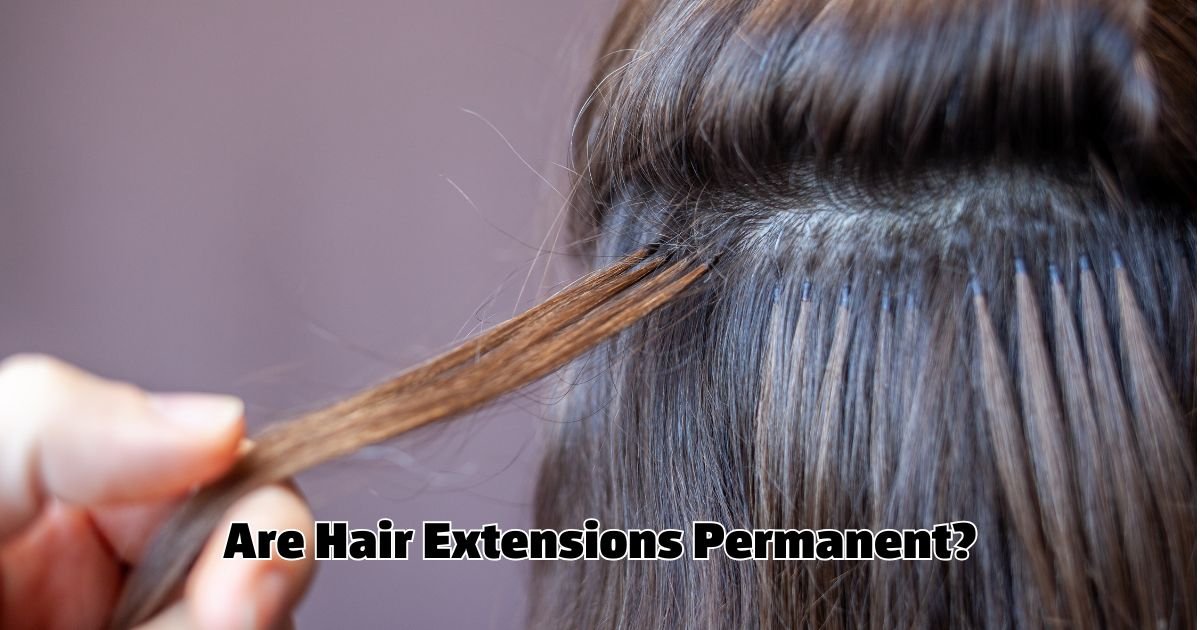


Picking the wrong method costs you more than money. Heavy wefts on fine hair, or long lengths on bleached strands, can cause breakage and tension hair loss. Below you will find the four methods salons use for instant length, how much length your own hair can carry, why hair grade decides how long the result lasts, and the warning signs dermatologists want you to check each month. So how to get long hair fast?
Why Can’t You Grow Long Hair Fast Without Extensions?
Scalp hair grows about 0.35 mm a day, close to 1 cm a month, according to the StatPearls review of hair physiology published by the National Library of Medicine. Cleveland Clinic puts the yearly average at 4 to 6 inches, and dermatologist Wilma Bergfeld, MD, told the clinic that “there isn’t a miracle cure to get your hair growing faster.”
Run the numbers. Going from collarbone length to mid-back means adding about 8 inches. At 4 to 6 inches a year, that takes 16 to 24 months, and each trim for split ends pushes the date back. Serums and supplements can support a healthy scalp, but they cannot rewrite the growth rate your follicles set.
Extensions skip the wait. You get the length in one visit, and your natural hair keeps growing underneath at its normal pace.
Which Hair Extensions Give You Long Hair Fast?
Four methods cover almost every request for instant length. Choose by your hair density, the upkeep you will accept, and how long you want to wear the new length.
| Method | How it attaches | Commitment | Best for | Watch out for |
| Clip-in or halo | Pressure clips, or a clear wire that rests on your head | Daily wear, removed at night | First-timers, events, testing a length | Clips can pull on fine hair at the crown |
| Tape-in | Thin adhesive panels sandwiched around a slice of your hair | Semi-permanent, moved up on a regular salon schedule | Fine to medium hair | Oils and heavy conditioner loosen the tape |
| Weft (sewn, beaded or hand-tied) | A row of hair stitched or beaded onto a braid or bead track | Semi-permanent, moved up on a regular salon schedule | Medium to thick hair that wants length and volume | Tight rows create tension along the track |
| Keratin bond (I-tip, K-tip) | Small strands linked or bonded to individual sections | Semi-permanent, longest gap between visits | Clients who wear high ponytails and want strand-by-strand movement | Longest install; removal needs a trained stylist |
Clip-In Hair Extensions: Long Hair Today, Your Own Hair Tonight
Clip-in hair extensions give you length with no salon chair at all. They suit weddings, photo shoots, and anyone who wants to test 20 inches before committing to a semi-permanent install. You need enough hair at the crown to hide the clips, so fine hair often does better with a halo, which sits on a band instead of gripping strands. The American Academy of Dermatology (AAD) advises taking clip-ins out before you wash your natural hair. For placement tips, see how clip-in hair extensions work.
Tape-In Hair Extensions: Fast Length for Fine Hair
Tape-ins spread weight across a wide, flat panel, so fine strands carry them with less strain than beads or single bonds. The install is one of the quicker semi-permanent appointments, and quality hair can be retaped and reused. Keep oil-based products away from the roots so the tape holds. If damage worries you, read whether tape-in hair extensions damage your hair.
Weft Hair Extensions: The Most Length and Volume Per Row
One row of weft hair extensions adds a full curtain of hair from ear to ear, which hides a blunt haircut better than any other method. Your natural hair needs to be medium to thick and healthy to support the track. Researchers Billero and Miteva note in a 2018 dermatology review that weft extensions have been linked to a horseshoe pattern of hair loss along the track, so ask your stylist to keep each row snug, not tight. Our complete guide to weft hair extensions compares machine, hand-tied and genius wefts.
Keratin Bond Extensions: Strand-by-Strand Length That Moves Like Your Own
I-tips attach with small metal links and no heat, while K-tips fuse with heated keratin. Because each strand sits on its own section, the result moves like natural hair and hides well in an updo. The trade-off is time: expect the longest appointment of the four methods, plus professional removal. See I-tip vs U-tip hair extensions to compare bond types.
How Much Hair Extension Length Can Your Natural Hair Carry?
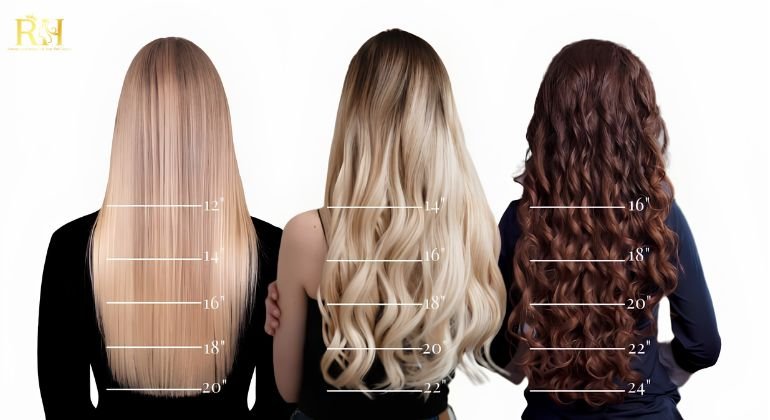
Length adds weight. Every extra inch hangs from the same attachment point, so a 24-inch strand pulls harder on your roots than a 16-inch one. If your hair is short or fine, a jump from bob to waist in one appointment tends to look bulky at the blend line and strains the host hair. Many stylists add length in stages instead. Our guide to hair extensions for short hair covers minimum lengths, and the hair extension length chart shows where each length falls on the body.
Before you book, answer these five questions with your stylist:
- Density: How thick is your ponytail? Fine hair points toward tape-ins or a halo.
- Current cut: A blunt bob needs a method that hides the line, such as wefts or tape-ins.
- Strand strength: Bleached or relaxed hair breaks faster under tension. The AAD flags extensions on relaxed hair as a higher risk.
- Lifestyle: Swimming, daily workouts and sleeping with wet hair all shorten wear time.
- Upkeep budget: Semi-permanent length means repeat appointments. Price the move-ups, not only the first install.
Does Hair Grade Decide How Long Your Long Hair Lasts?

Yes. Grade decides whether long extensions stay soft after the first month of washing. Longer hair shows the difference first, because the ends rub against clothes and pillows for the entire wear.
- Raw hair: cut from the donor with cuticles aligned and no chemical or steam processing.
- Virgin hair: never colored or permed, but often steam-processed for texture.
- Remy hair: cuticles aligned in one direction, though the hair may be colored or processed.
- Non-Remy hair: cuticles mixed, then stripped and coated with silicone to feel smooth at first.
Once the silicone washes out of non-Remy hair, the misaligned cuticles catch on each other and the lengths tangle. Raw human hair extensions keep their cuticle intact, so you can often retape or reinstall the same hair over several appointments. Grade tells you more than a country label does. Learn more in our guide to raw hair.
Your Fastest Route to Long Hair
Natural growth averages about 1 cm a month, so extensions remain the only same-day route to long hair. Pick the method your hair density can support, step up in length if your strands are fine, and choose a hair grade that survives months of washing. Then protect the result: low tension, planned breaks and a monthly hairline check keep your own hair growing underneath.
Not sure which method or length fits your hair? Send us your current length, your goal length and your hair type, and our team will recommend a method, length and weight your hair can carry. Salon owners and stylists can ask for wholesale pricing on raw Vietnamese hair in the same message.
Get your free length consultation →
📲Phone/WhatsApp: +1 (206) 698‑5133
🛜Instagram: RAW HAIR LUXURY COMPANY
🌐Tik Tok: RAW HAIR LUXURY
📧 Email: Rawhairluxury.us
🌐Website: rawhairluxury.com