
The best hair colors for warm skin tones carry gold, caramel, copper or red in their base: golden and honey blonde, caramel, honey brown, chestnut, copper, auburn, warm chocolate and soft black. These shades echo the yellow or peach under your skin, so your complexion looks clearer. Ash, icy platinum, blue black and cool violet tend to make warm skin look gray or sallow.
Most guides stop at a list of shades. This one adds the step that decides whether a shade works on you: picking the right depth for your skin, then the right warmth. You will also learn why warm tones are the easiest goal for a colorist to hit, and how to try a shade with extensions before you dye.
How to Run a Warm Undertone Test at Home
Your undertone is the steady color beneath your skin; your surface tone is how light or deep you look, and it shifts with a tan. Stand by a window in daylight with a bare face and run four checks:
- Gold vs silver. Hold yellow gold near one cheek and silver near the other. If gold makes you look clearer and less tired, lean warm.
- White vs ivory. Drape a bright white towel under your chin, then an ivory one. Warm skin looks healthier against ivory.
- Your foundation code. Check the base you already match. Many brands label warm shades W, Y or G and cool shades C, P or R.
- Your sun reaction. Warm undertones usually tan to gold or bronze. Cool undertones tend to pink or burn first.
Three warm results out of four is a reliable call. The popular vein test works less well on deep skin, where veins are hard to read, so treat it as a tiebreaker. If your results split, you are likely neutral or olive, and caramel and honey brown are the safest starting points.
Depth Before Tone: Match Hair Level to Your Skin
Colorists rate hair from level 1 (black) to level 10 (lightest blonde). A warm shade at the wrong depth still looks off: honey blonde can wash out very fair skin, and espresso can look heavy on light skin. Choose your depth from your skin, then pick the warmth.
| Warm skin depth | Flattering hair colors | Typical level range | Upkeep |
| Fair, often freckled | Strawberry blonde, buttery or golden blonde, light copper | 7 to 9 | High (red and blonde fade first) |
| Light to medium | Golden blonde, honey blonde, copper, caramel highlights | 6 to 8 | Medium to high |
| Medium to tan | Honey brown, caramel, chestnut, auburn, cinnamon | 5 to 7 | Medium |
| Deep | Warm chocolate, espresso, soft black (1B), golden black with caramel pieces | 1 to 4 | Low |
The Best Hair Colors for Warm Skin Tones, by Family
Golden Blonde and Honey Blonde
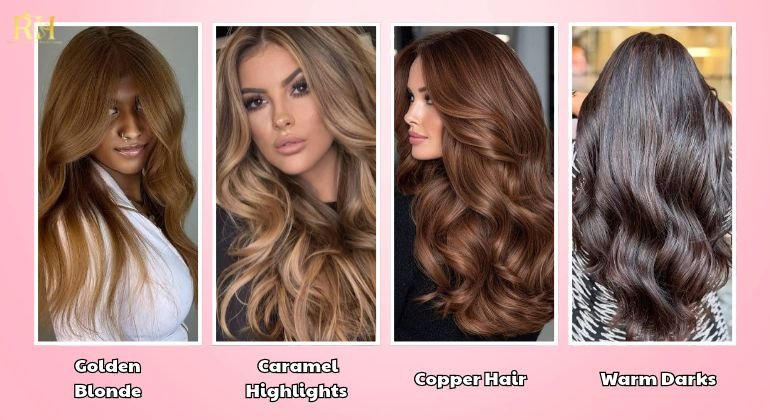
Golden blonde suits fair to light-medium warm skin and picks up gold flecks in green and hazel eyes. Honey blonde sits a shade deeper with amber warmth, so it flatters medium and tan skin. On deeper skin, wear honey as balayage over a brown base to keep the contrast soft at the root.
Caramel Highlights and Honey Brown Hair
Caramel highlights brighten brunettes without the cost or damage of going fully blonde. Most medium to dark brown hair reaches caramel with a gentle lift. Honey brown gives all-over warmth if you want to stay brunette, and it softens gray regrowth better than dark brown because the contrast is lower. Unsure which placement to ask for? Our guide to lowlights vs. highlights walks through it.
Copper Hair, Auburn and Chestnut
Copper hair lights up fair and medium warm skin and makes blue and green eyes look sharper, since orange sits opposite blue on the color wheel. Auburn adds brown underneath the red, so it fades more gracefully and suits medium to deep skin. Chestnut gives a quiet red-gold shine that still reads as natural brown indoors.
Warm Darks: Chocolate, Espresso and Soft Black
Deep warm skin glows against cocoa-based darks. Ask for warm chocolate or a golden-brown espresso rather than a neutral one. If you love black hair, soft black (1B) carries a brown warmth that catches light, while blue black reads cold. Going darker deposits pigment without bleach, which makes it a kind choice for fragile or previously lightened hair.
Why Warm Shades Work With Hair Chemistry
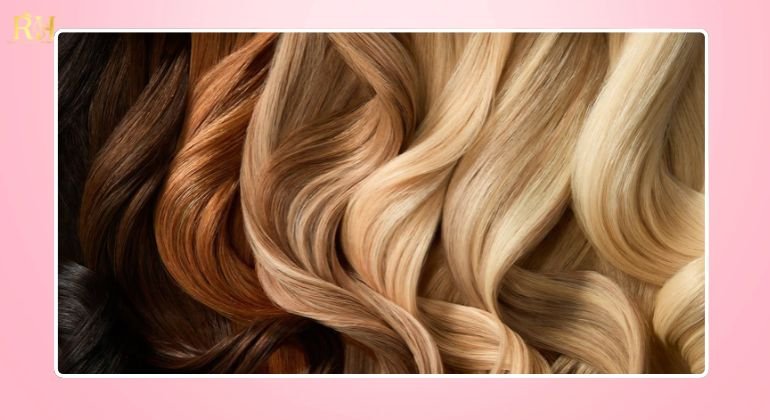
Warm skin has a practical advantage at the salon. Hair contains two pigments: eumelanin (brown-black) and pheomelanin (red-yellow). A study in the Journal of the European Academy of Dermatology and Venereology found pheomelanin at a small but constant level in black, brown and blonde hair, with eumelanin falling as hair gets lighter.
When a colorist lightens dark hair, that warm pigment shows up in stages: red at the darkest levels, then orange, then gold. Women chasing icy blonde have to cancel those tones with toner and purple shampoo. If your goal is honey, caramel or copper, your colorist can stop at the warm stage you want and gloss it, which usually means fewer lightening sessions and less breakage. Ask for the lift to end at gold, then refine.
Hair Colors to Avoid With Warm Skin (and What to Choose Instead)
| Skip | Why it clashes | Warm swap |
| Ash blonde | Gray-green base flattens golden skin | Beige or buttery blonde |
| Icy platinum | Silver-white washes out warm skin; heavy bleach | Creamy platinum with a warm root shadow |
| Blue black | Cold blue reflect fights peach and gold | Soft black (1B) or warm espresso |
| Cool violet or lavender | Makes yellow in the skin look sallow | Red-based plum or mahogany |
If your tests came back cool, our guide to ash, icy and smoky shades covers the other side of the wheel.
How to Keep Warm Hair Color From Fading
Warm tones, red and copper in particular, are the first to fade. Five habits keep them bright:
- Gloss on a schedule. Demi-permanent color sits mainly on the cuticle and fades after about 10 to 15 shampoos. Book a golden or copper gloss on that rhythm.
- Wash less, rinse cooler. Use a sulfate-free, color-safe shampoo and lukewarm water.
- Block UV. Sun fades honey and copper fast. A hat or UV spray helps; see our sun protection tips for hair.
- Cap your heat. Use a heat protectant and keep irons at moderate settings.
- Patch test every time. The FDA recommends testing dye on the inner elbow or behind the ear and waiting two days before each application, even with a brand you have used before.
Planning a big lift to golden blonde? Read how to prepare your hair for bleaching first.
Try a Warm Shade With Raw Hair Extensions First
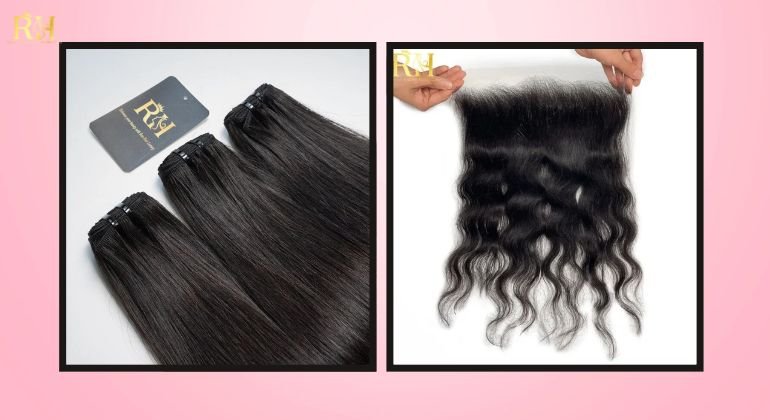
Extensions let you test caramel pieces or copper volume without touching your own hair. The hair grade matters more for color than the country it came from. Raw hair has never been chemically processed and keeps its cuticle aligned, so it lifts and takes warm tones the way your own hair does. Non-Remy hair is often acid-stripped and coated in silicone, which makes dye grab unevenly and fade in patches. Our breakdown of Remy vs. virgin vs. non-Remy hair explains the differences.
To be clear about what we stock: Raw Hair Luxury sells raw Southeast Asian hair in its natural color and in dyed black. We do not carry pre-colored honey or copper extensions. Stylists buy our natural-color raw clip-ins and lift them to the client’s warm shade, which gives an exact match instead of the closest number on a color ring. If you plan to do it yourself, start with our guide on dyeing clip-in extensions at home.
Frequently Asked Questions
Does olive skin count as a warm skin tone?
Olive skin usually reads as neutral-warm: a golden base with a green or gray cast on top. Most olive-skinned women look best in warm browns, caramel and soft gold, while very bright copper or yellow blonde can push the green cast forward. Test a swatch near your face in daylight before you commit.
Can a tan change my undertone?
No. A tan darkens your surface tone, but your undertone stays the same. What changes is contrast: many women go one level lighter with honey or caramel pieces in summer, then return to a richer brown in winter. Keep the warm family and adjust only the depth.
What hair color looks softest on mature warm skin?
Colorists often suggest staying one or two levels lighter than your natural shade with gold or caramel reflect. Lighter warm tones blur the line where gray regrows, and they cast less shadow on the face than solid dark brown or jet black. Soft black (1B) works better than blue black for women who prefer dark hair.
How often should I gloss warm hair color?
Plan on a gloss about every 10 to 15 washes. Demi-permanent dyes sit mainly on the hair surface and fade after roughly that many shampoos, according to a 2015 review in the International Journal of Trichology. Copper and red shades often need the refresh sooner than golden browns.
Can I dye raw human hair extensions to a warm shade?
Yes. Raw hair that has never been chemically processed lifts and deposits color the way your own hair does, so a colorist can take natural dark raw hair to caramel, honey or copper. Lift gradually, use a bond-building product, and do a strand test first. Hair coated in silicone takes dye unevenly.
Conclusion: Pick Your Depth, Then Your Warmth
The right hair color for warm undertones starts with a quick undertone test, then a depth that suits your skin, then a warm family: gold and honey for fair to medium skin, caramel and auburn for medium to tan, cocoa darks and soft black for deep skin. Skip ash, icy and blue-based shades, gloss on a schedule, and patch test every time. Warm goals also work with your hair’s own pigment, so you reach them with less damage.
For a match you can trust, start from hair that has never been processed. Contact our team to request a raw hair sample and a wholesale price sheet, and let your colorist build your warm shade from a clean canvas.
📲Phone/WhatsApp: +1 (206) 698‑5133
🛜Instagram: RAW HAIR LUXURY COMPANY
🌐Tik Tok: RAW HAIR LUXURY
📧 Email: Rawhairluxury.us
🌐Website: rawhairluxury.com