The short answer is yes but only under certain circumstances.
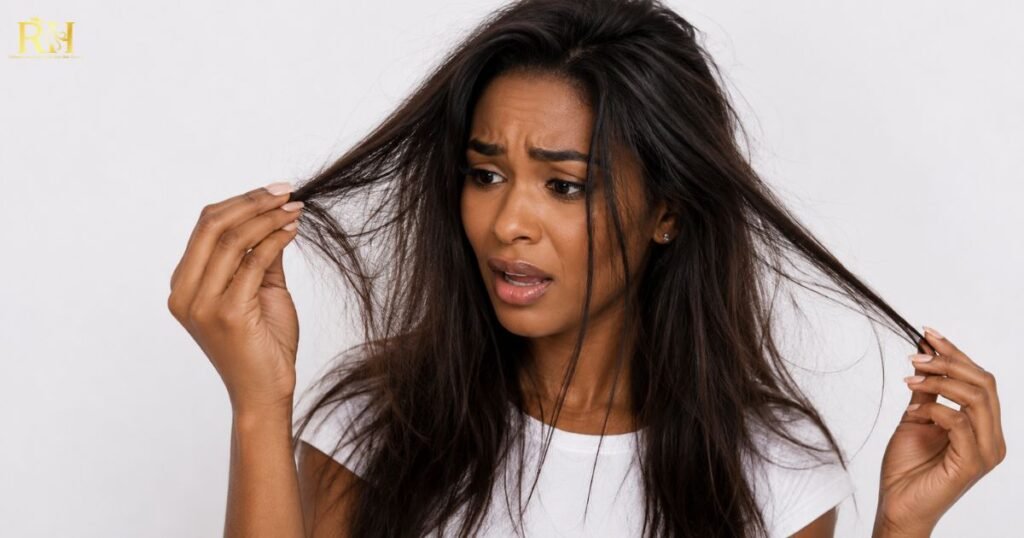
Hair extensions themselves don’t directly cause hair loss. However, improper installation, excessive tension, poor maintenance, or wearing extensions continuously for long periods can place stress on your natural hair and scalp. Over time, this tension may contribute to breakage or a condition known as traction alopecia, particularly if extensions are too heavy or installed incorrectly.
Not everyone experiences hair loss from extensions. Your risk depends on several factors, including your natural hair type, the extension method you choose, and how well you care for both your extensions and your own hair. For example, if you have fine or thinning hair, lightweight extension methods are generally a better choice because they place less strain on the roots.
The good news is that hair extensions can be worn safely without damaging your natural hair. Choosing high-quality extensions, having them installed by a trained professional, following proper aftercare, and scheduling regular maintenance appointments can all help protect your hair’s health.
Before exploring how to prevent extension-related hair loss, it’s important to understand the types of damage that can occur and what causes them in the first place.
Can Hair Extensions Cause Hair Loss?
Hair extensions are a popular way to add instant length, volume, and fullness, making them a go-to beauty solution for anyone looking to transform their hairstyle with minimal commitment. When applied correctly, they can enhance your overall look while boosting confidence.
However, some people experience hair thinning or hair loss after wearing extensions. The extensions themselves aren’t usually the cause. In most cases, the problem stems from improper installation, excessive tension, or poor aftercare, which can lead to traction alopecia a type of hair loss caused by repeated pulling or prolonged stress on the hair follicles.
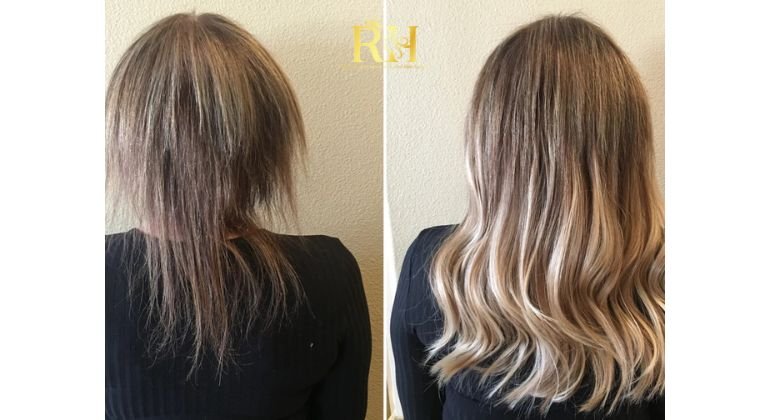
Traction alopecia develops when the roots are constantly under tension. This can happen if extensions are installed too tightly, left in for too long, or paired with tight hairstyles like high ponytails, braids, or buns. Over time, the continuous strain can weaken the follicles, resulting in breakage, thinning, and, in severe cases, permanent hair loss.
The good news is that extension-related damage is largely preventable. Choosing the right extension method for your hair type, having your extensions applied by a qualified professional, and following a proper maintenance routine can significantly reduce the risk of hair loss. Lightweight extensions and regular breaks between installations also help keep your natural hair healthy.
In the following sections, you’ll learn the most common causes of extension-related damage and the best practices to protect your hair while enjoying the added length and volume.
Other Ways Hair Extensions Cause Hair Loss
1. Adhesives
The adhesives and bonding products used during hair extension installation can also affect the health of your natural hair and scalp. If low-quality glues or chemical-based adhesives contain harsh ingredients, they may cause scalp irritation, weaken the hair shaft, or contribute to breakage over time.

To minimize these risks, choose high-quality extension products and have your extensions applied by an experienced professional who uses salon-grade adhesives that are appropriate for your hair type. If you have a sensitive scalp or a history of allergies, it’s also a good idea to request a patch test before installation.
2. Scalp Irritation
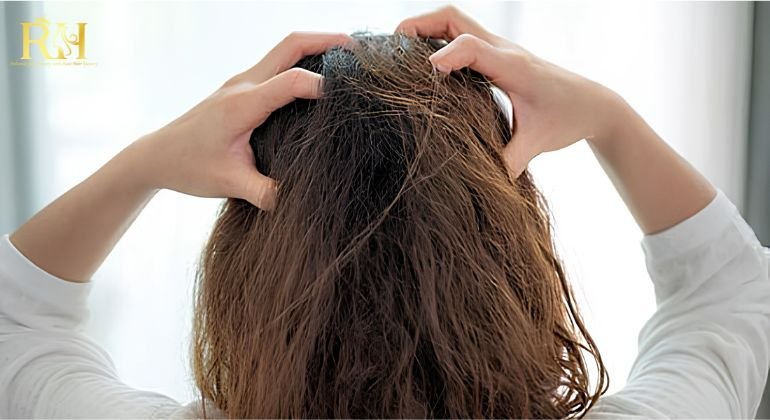
Some extension adhesives may irritate the scalp, causing itching and discomfort. If left untreated or if you’re allergic to the adhesive or extension materials constant scratching can damage hair follicles and contribute to hair thinning or breakage.
3. Weight of Hair Extensions
Heavy hair extensions can put excessive strain on your natural hair, especially if it’s fine or thin. Over time, the added weight and constant tension can weaken hair follicles, increasing the risk of breakage and traction alopecia.
4. Improper Maintenance
Poor hair extension maintenance can lead to a buildup of oil, sweat, and product residue. This can clog hair follicles, irritate the scalp, and increase the risk of inflammation, breakage, and hair thinning.
What are the Different Types and Least Damaging Hair Extensions?
The risk of damage varies by extension type. Here’s a closer look at the most common hair extension methods and how they compare in terms of potential damage.
1. Tape In Hair Extensions
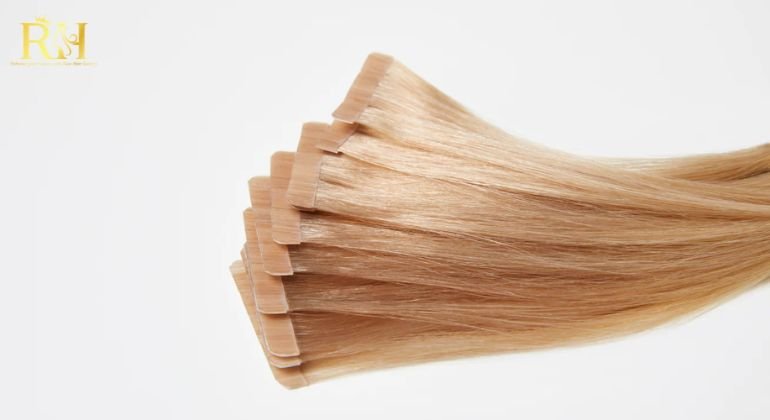
Tape in extensions are lightweight, quick to apply, and blend naturally with your hair using adhesive wefts. They typically last 6–8 weeks and work best for medium to thick hair. When installed and removed correctly, they pose minimal risk of damage.
2. Clip In Hair Extensions
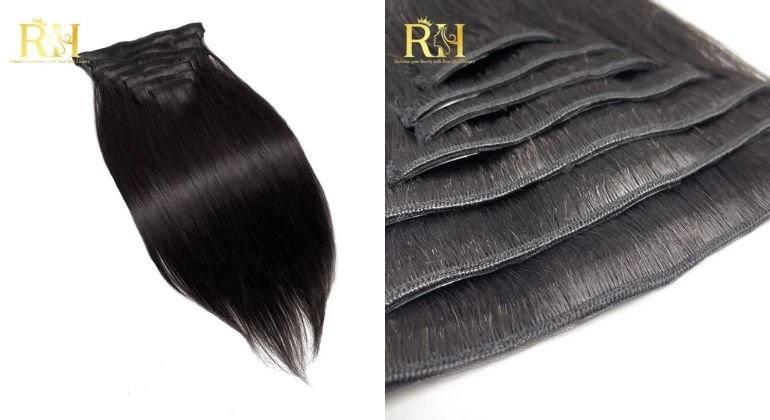
Clip in extensions are a beginner-friendly, temporary option that can be attached and removed in minutes. They’re ideal for occasional wear but should be removed before sleeping, swimming, or showering. They may not be the best choice for very fine or thin hair.
3. Fusion Bond Extensions
Fusion (glue-in) extensions use keratin bonds to attach individual strands and can last up to 6 months. While they’re durable and natural-looking, improper application or removal may increase the risk of hair damage, so professional installation is essential.
4. Sew In Hair Extensions
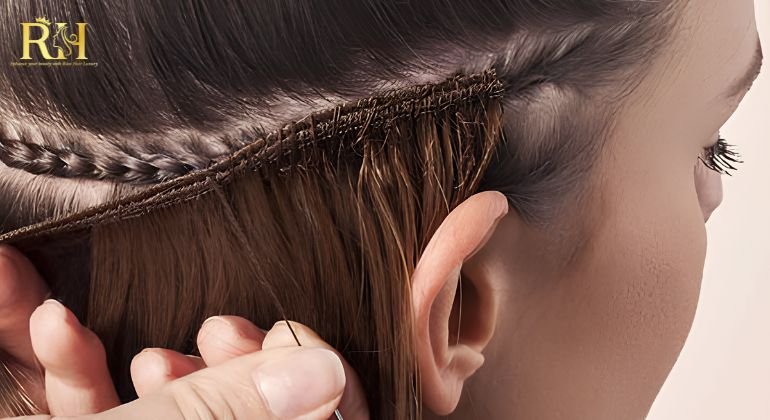
Sew-in extensions are installed by sewing wefts onto braided natural hair, creating a secure, long-lasting style. They can be protective when installed correctly, but the braids should never be too tight to avoid tension and hair damage.
5. Microbead Extensions
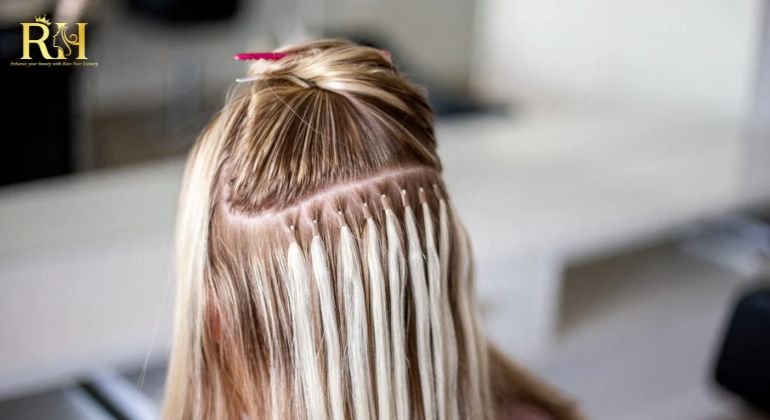
Micro-link (bead) extensions are attached with small beads for a natural, adhesive-free finish and can last up to 3 months. However, improper installation or excessive tension can lead to breakage and hair damage.
6. Nano Rings
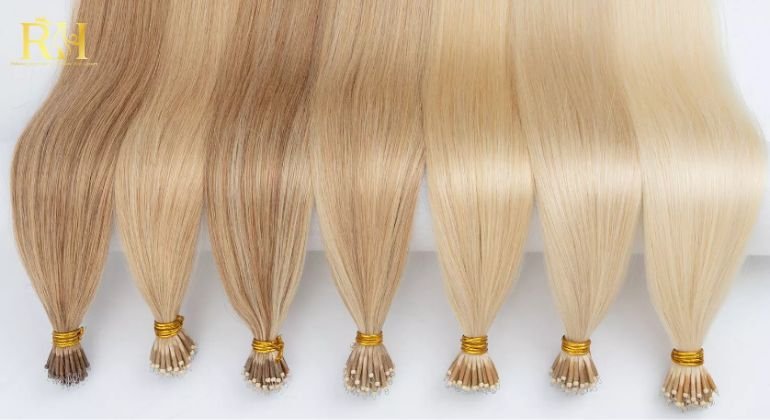
Nano ring extensions use tiny metal rings to create a discreet, natural-looking finish, making them a popular choice for fine or sensitive hair. When installed correctly, they’re gentle on the hair, but improper application or maintenance can still cause breakage. No extension method is completely risk-free, so proper installation and aftercare are essential.
How to Avoid Hair Loss When Using Extensions
1. Prepare Your Hair
Start with clean, conditioned, and moisturized hair to remove buildup and create a healthy foundation for extensions.
2. Perform a Patch Test
Test the adhesive or extension material on a small section first to check for allergic reactions or scalp sensitivity.
3. Ensure Proper Installation
Incorrect installation can cause tension and hair loss. Have your extensions applied by a qualified stylist whenever possible.
4. Choose High-Quality Extensions
Premium extensions look more natural, last longer, and are less likely to tangle or damage your natural hair.
5. Maintain Your Hair and Scalp
Keep your scalp clean, brush gently to prevent tangles, and follow the recommended care routine for your extension type.
6. Use Gentle Hair Products
Choose sulfate-free, moisturizing products and avoid harsh chemicals that can dry out or weaken your hair.
7. Give Your Hair a Break
Remove extensions periodically to let your scalp recover and reduce prolonged tension on your hair follicles.
8. Avoid Tight Hairstyles
Take advantage of your extensions’ versatility by choosing loose styles that minimize pulling and protect your natural hair.
Conclusion
Hair extensions can instantly add length, volume, and confidence without compromising your natural hair provided they’re applied and maintained correctly. By choosing the right extension method, following proper aftercare, and giving your hair regular breaks, you can enjoy beautiful results while keeping your hair healthy and strong.
Ready to find your perfect match? Contact us today for expert advice and exclusive discounts on premium human hair extensions.
📲Phone/WhatsApp: +1 (206) 698‑5133
🛜Instagram: RAW HAIR LUXURY COMPANY
🌐Tik Tok: RAW HAIR LUXURY
📧 Email: Rawhairluxury.us
🌐Website: rawhairluxury.com