

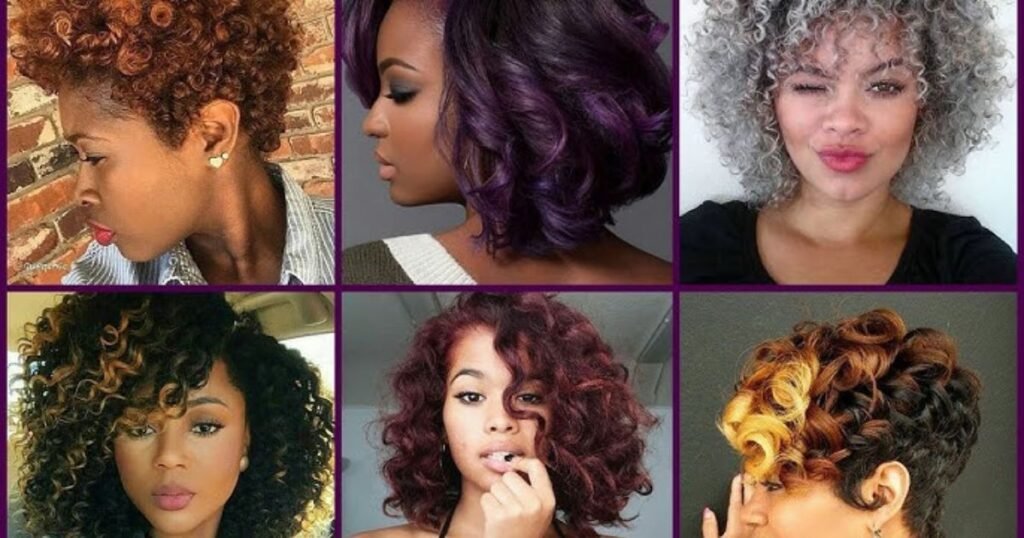
Are you tired of fighting brassy orange undertones? Do you find yourself craving a hair color that looks sleek, modern, and effortlessly sophisticated? If so, it’s time to embrace cool hair colors.
In 2026, the hair world is moving away from the overly saturated, warm golden hues of the past and stepping into the era of “quiet luxury.” Think smoky brunettes, icy platinums, and muted mushroom tones that reflect light with a glass like finish. Whether you are looking to dye your natural locks or instantly upgrade your style with high quality extensions from Raw Hair Luxury Vendor, this guide covers everything you need to know about the coolest trends of the year.
What Are Cool Hair Colors?
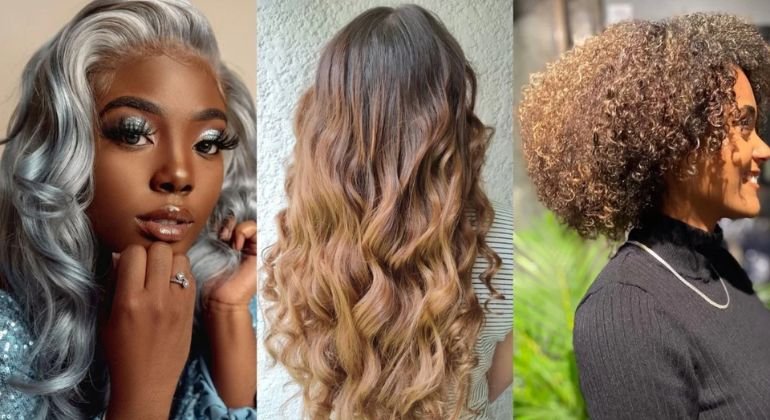
Before diving into the trends, it is essential to understand what actually defines cool hair colors. In the world of color theory, hair shades are divided into warm, cool, and neutral tones.
- Warm Colors: Have undertones of red, orange, and gold (e.g., honey blonde, copper, chestnut).
- Cool Colors: Have undertones of blue, violet, green, and ash (e.g., platinum, ash brown, jet black).
Cool hair colors are characterized by their lack of warmth. They often appear “muted” or “silvery” and are fantastic for neutralizing redness in the skin, making them a top choice for those who want a sharp, high-fashion aesthetic.
Top 5 Cool Hair Color Trends for 2026
If you are ready to make a switch, these are the top cool hair colors dominating social media and salon requests this year.
1. Mushroom Brown (The New Neutral)
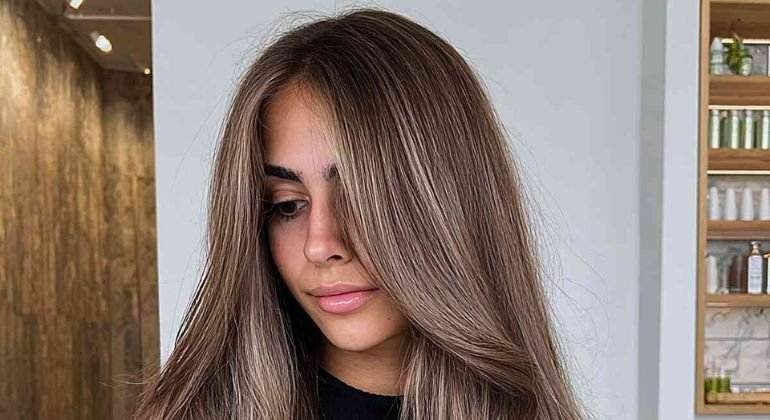
Mushroom brown is the ultimate “cool girl” shade. It is a multi-dimensional blend of ashy brown, purple, and gray undertones that mimics the earthy color of a portobello mushroom.
- Why it works: It’s a low-maintenance way for brunettes to go lighter without turning orange.
- Best for: Medium to fair skin tones with cool or neutral undertones.
2. Icy Platinum & Pearl Blonde
Forget golden hour 2026 is about the “ice queen” aesthetic. This variation of cool hair colors strips away all yellow pigment, leaving a shimmering, white-silver hue.
- The Challenge: Achieving this on dark hair requires significant bleaching.
- The Solution: If you have dark hair, consider using Raw Hair Luxury Vendor’s 613 Platinum Blonde extensions to get the look instantly without chemical damage.
3. Ashy Balayage
For those who want dimension without a full color correction, an ashy balayage is ideal. This technique paints cool-toned highlights onto a dark base, creating a soft, smoky gradient.
- Best for: Natural black or dark brown hair (especially Asian hair textures).
4. Midnight Blue Black
This isn’t your average black hair dye. Midnight blue-black is a deep, inky shade that reflects blue under sunlight. It is one of the edgiest cool hair colors that provides a mysterious, glossy finish.
5. Smoky Gray & Silver Fox
Gray is no longer just for aging; it’s a fashion statement. Metallic silver and charcoal gray offer a futuristic vibe that pairs perfectly with streetwear and high fashion looks.
How to Choose the Right Cool Hair Colors for Your Skin Tone
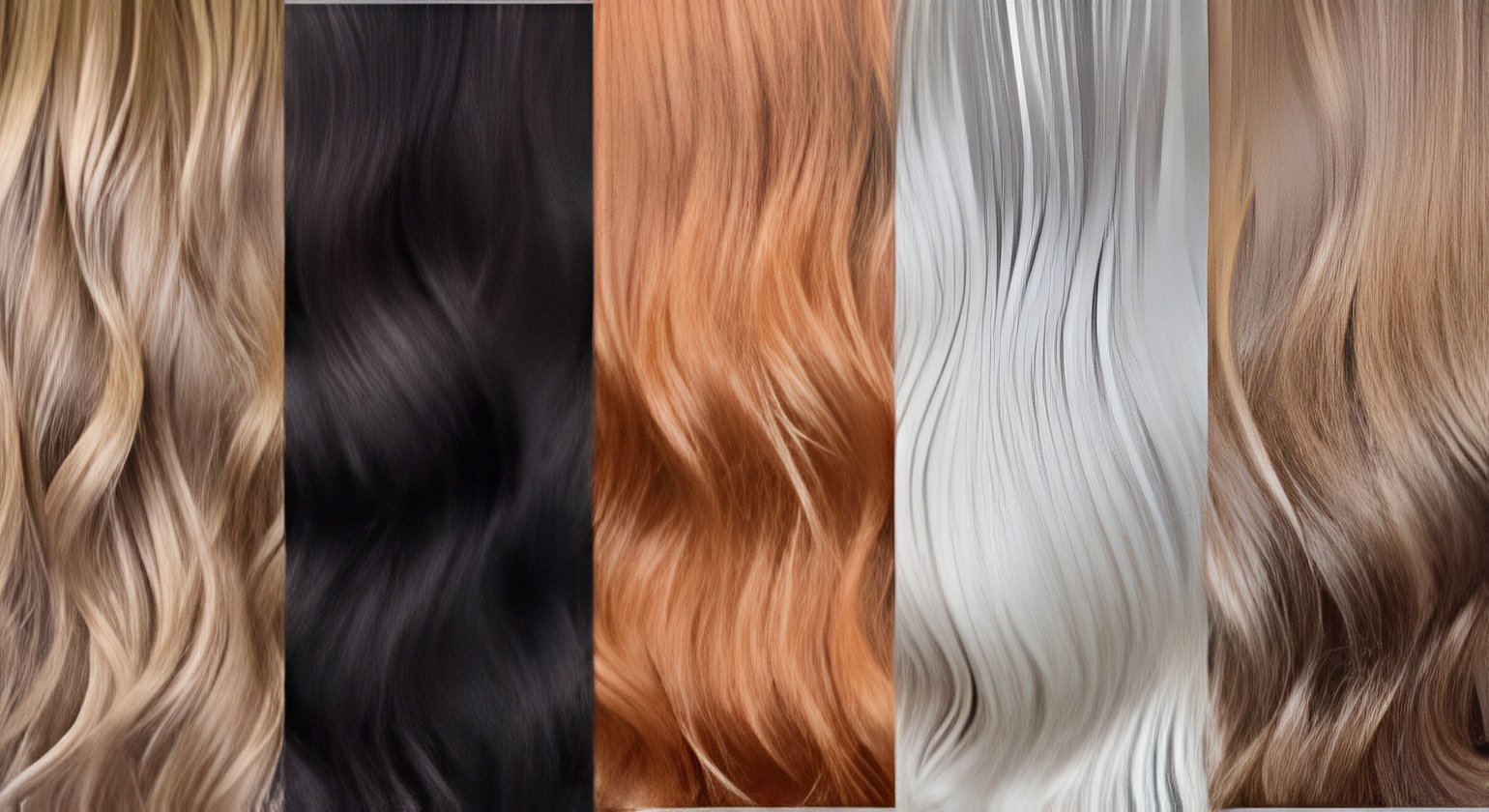
Not all cool hair colors suit everyone. The secret to a flattering look lies in matching the hair shade to your skin’s undertone.
Step 1: Determine Your Undertone
Look at the veins on your wrist.
- Blue/Purple Veins: You have cool undertones.
- Green Veins: You have warm undertones.
- Mix of Both: You have neutral undertones.
Step 2: Match the Shade
- If You Have Cool Skin: You are the lucky ones! Almost all cool hair colors will look natural on you. Platinum blonde, ash brown, and jet black will porcelain-ize your skin and make your eyes pop.
- If You Have Warm Skin: Be careful going too gray can make you look “washed out.” Instead, opt for cool hair colors that have depth, like a dark mocha ash or a cool chocolate brown. These shades cool down your look without clashing with your golden complexion.
- If You Have Neutral Skin: You can pull off the widest range of cool hair colors. Try a “bronde” (brown + blonde) with a cool beige toner for the perfect balance.
The Hidden Risk: Damage vs Extensions
Achieving true cool hair colors especially lighter shades like ash blonde or silver often requires bleaching hair to a Level 9 or 10 to remove natural warm pigments. For those with naturally dark or Asian hair, this process can be incredibly damaging, leading to breakage, dryness, and loss of elasticity.
The Expert Solution: Instead of chemically processing your own hair, many elite stylists now recommend using hair extensions or wigs to achieve these high maintenance colors.
- Damage Free Color: You can wear a platinum or ash brown wig from Raw Hair Luxury Vendor without touching your natural roots.
- Color Longevity: Extensions hold cool hair colors better than natural hair because they are pre-processed professionally and don’t suffer from “hot roots.”
7 Essential Tips to Maintain Cool Hair Colors
Once you have achieved your dream shade, the battle is keeping it cool. Cool hair colors are notorious for fading into brassy yellow or red tones due to sun exposure and washing. Here is your survival guide:
- Use Purple or Blue Shampoo: Purple neutralizes yellow (for blondes), and blue neutralizes orange (for brunettes). Use these pigmented shampoos once a week to refresh your cool hair colors.
- Wash with Cold Water: Hot water opens the hair cuticle and strips out the cool toner. Always rinse with lukewarm or cool water.
- Install a Shower Filter: Hard water contains minerals like iron and rust that can instantly turn cool hair colors brassy. A filter is a cheap investment for better color.
- Heat Protection is Non-Negotiable: High heat from straighteners can actually “burn” the toner out of your hair, turning it yellow instantly. Always use a heat protectant.
- Schedule Regular Glossing: Visit your salon every 6-8 weeks for a “toner gloss.” This semi-permanent treatment restores the ashiness to cool hair colors and adds shine.
- Hydrate with Masks: Cool-toned hair, especially if bleached, needs moisture. Use a deep conditioning mask weekly to maintain the “glass hair” effect.
- Invest in High Quality Hair: If you are wearing extensions, choose high-grade human hair. Synthetic or low-quality blends often cannot hold cool hair colors properly and look dull quickly.
Conclusion: Ready to Go Cool?
Switching to cool hair colors is more than just a dye job; it’s a style upgrade. Whether you choose a subtle mushroom brunette or a daring icy platinum, these shades exude confidence and modernity.
However, remember that the “cool” look relies on hair health. Fried, damaged hair never looks good, no matter the color. Prioritize the integrity of your strands by using the right maintenance products or opting for premium hair extensions to get the look risk-free.
Are you ready to transform your look with the hottest cool hair colors of 2026?
🔥Remember to visit our social media pages Hair Luxury now so you don’t miss out on the day’s deals!!!🔥
📲Phone/WhatsApp: +1 (206) 698‑5133
🛜Instagram: RAW HAIR LUXURY COMPANY
🌐Tik Tok: RAW HAIR LUXURY
📧 Email: Rawhairluxury.us
🌐Website: rawhairluxury.com




One Reply to “Cool Hair Colors 2026: The Ultimate Guide to Ash, Icy, and Smoky Shades”
Hair Lowlights vs Highlights: Which Is Better in 2026?
[…] pigment underneath. If cooler, ashier tones are the goal rather than warm sun-kissed pieces, our guide to cool hair colors covers how those shades are achieved and […]