
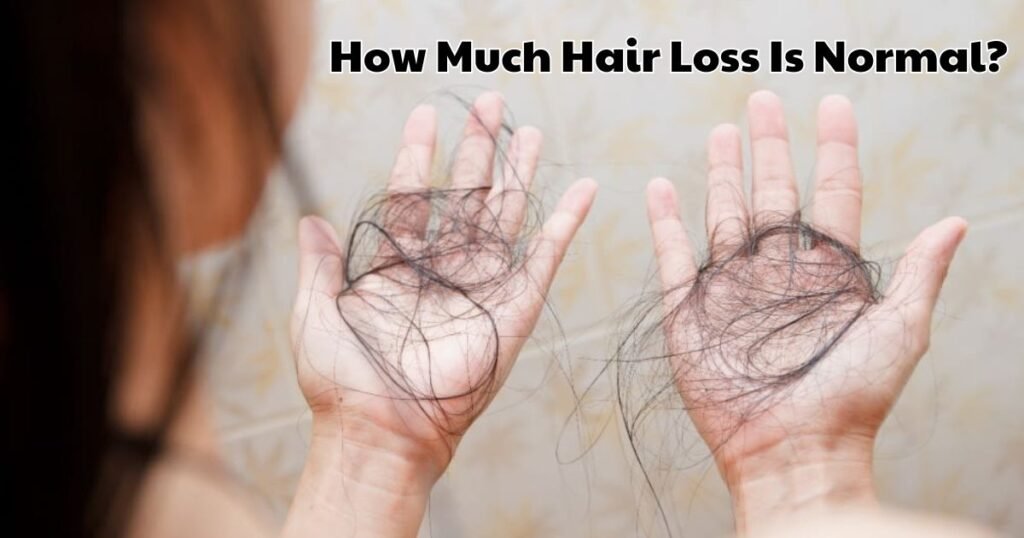
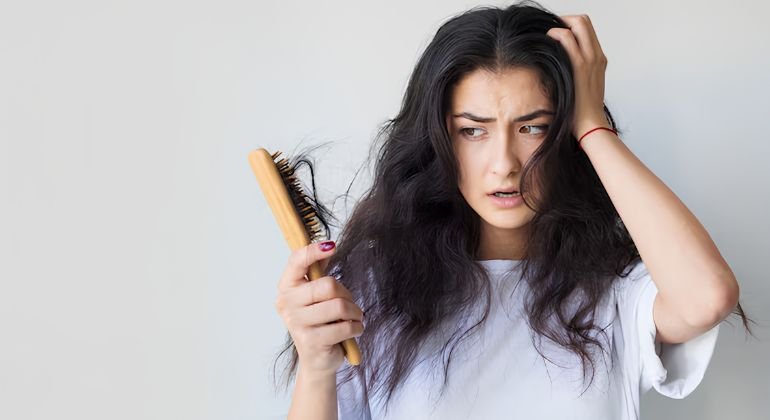
If you’ve ever pulled a clump of hair out of your shower drain and felt your heart sink, you’re not alone. Hair loss is one of the most emotionally loaded health concerns women face, yet it’s rarely talked about openly. The good news is that most daily hair shedding is completely natural and understanding what “normal” looks like can save you a lot of unnecessary worry.
This guide walks you through exactly how much hair loss is normal per day, how the hair growth cycle works, what causes excessive shedding, and when it’s time to pick up the phone and call your doctor.
What Is the Normal Amount of Hair Loss Per Day?
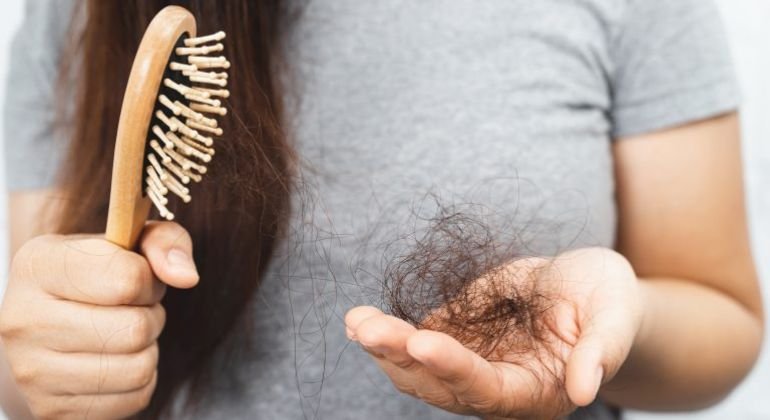
The widely accepted medical consensus is that losing between 50 and 100 hairs per day is normal. Some dermatologists place that upper limit closer to 150 strands daily, particularly for people with thick or dense hair. This might sound alarming, but consider the math: the average human scalp holds between 80,000 and 120,000 individual hairs. Losing 100 a day is less than 0.1% of your total hair.
Normal hair loss per day fluctuates based on several personal factors, including:
- Hair length and texture (longer, curlier hair tends to look like more when shed)
- How frequently you wash your hair
- Seasonal changes (shedding often increases in autumn)
- Your age and hormonal status
If you wash your hair every three to four days rather than daily, you may notice 300 to 400 strands in the shower at once and that is still completely normal. Those hairs simply accumulated over several days instead of falling out in real time.
Understanding the Hair Growth Cycle
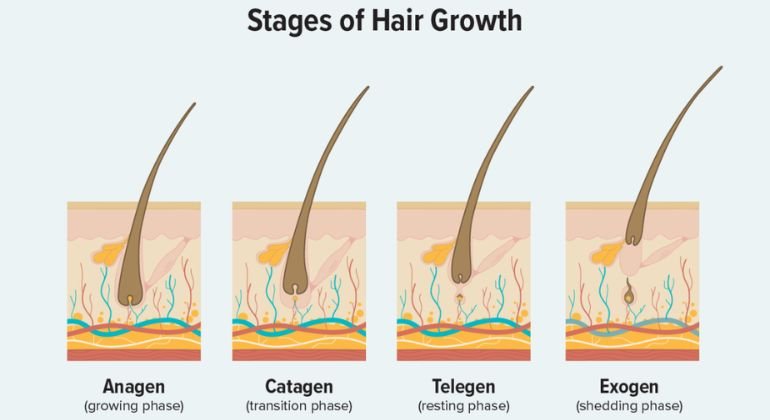
To truly understand normal hair loss, you need to understand why hair falls out at all. Every strand on your head goes through a four-stage growth cycle:
- Anagen (Growth Phase): This is the active growing phase, lasting anywhere from two to seven years. Around 85 – 90% of your hairs are in this phase at any given moment.
- Catagen (Transition Phase): A short two-to-three-week phase where the hair follicle begins to shrink and growth slows.
- Telogen (Resting Phase): Lasting about three months, the hair stops growing and rests at the follicle while a new strand begins forming beneath it.
- Exogen (Shedding Phase): The old hair detaches and falls out this is the strand you find on your pillow or in your hairbrush.
Daily hair shedding is simply the natural conclusion of this cycle. When the hair growth cycle is disrupted by illness, stress, hormonal shifts, or nutritional deficiencies — more hairs than usual can enter the telogen phase simultaneously, leading to a noticeable spike in shedding.
Hair Loss by Hair Type: Does It Look Different?
One of the most common reasons people misjudge their hair loss is that different hair textures shed very differently.
If you have straight hair, loose strands fall away easily throughout the day. You might notice them on your clothing, your bathroom counter, or your pillow. By the time you wash your hair, there may be relatively few strands left to come out in the shower.
If you have curly or coily hair, the story is very different. Curls create natural tangles that trap shed hairs within the curl pattern, preventing them from falling freely during the day. When you wash and detangle, all those accumulated hairs come out at once which can make normal hair loss look dramatic.
Women with long hair also tend to overestimate their daily hair shedding. A single strand that is 18 inches long takes up far more visual space than a two-inch strand, even though it represents the same single hair. Understanding this context makes it much easier to assess whether your hair loss in the shower is truly excessive or simply par for the course.
Common Causes of Excessive Hair Loss
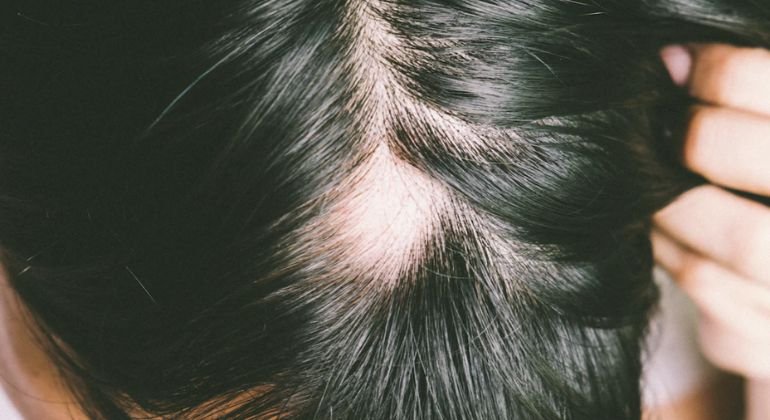
When daily hair shedding consistently exceeds 100 to 150 strands or when you notice thinning at the crown, a widening part, or bald patches it may signal something more than the normal hair growth cycle at work. Here are the most clinically significant causes of excessive hair loss to be aware of.
Telogen Effluvium
This is one of the most common forms of hair loss in women. Telogen effluvium occurs when a physical or emotional shock pushes a large proportion of hairs into the resting (telogen) phase simultaneously. The result is a dramatic increase in shedding that typically appears two to three months after the triggering event. Common triggers include:
- Major surgery or significant illness
- Childbirth (postpartum hair loss affects up to 50% of new mothers)
- Severe psychological stress or trauma
- Crash dieting or rapid weight loss
- High fever or COVID-19 infection
The encouraging news is that telogen effluvium is almost always temporary. Hair regrowth typically resumes within three to six months of the triggering event resolving.
Nutritional Deficiencies
Iron deficiency is among the most underdiagnosed causes of hair thinning in women. Ferritin the protein that stores iron plays a direct role in sustaining healthy hair follicles. Low ferritin levels can cause hair to enter the resting phase prematurely, leading to diffuse thinning across the scalp. Other nutritional factors linked to hair loss include low zinc, vitamin D deficiency, and inadequate protein intake.
Thyroid Disorders
Both hypothyroidism and hyperthyroidism can cause significant hair loss. The thyroid gland regulates the body’s metabolism, including the rate at which hair follicles cycle through growth and rest. When thyroid hormones are out of balance, the hair growth cycle is disrupted. Hair loss due to thyroid issues is typically diffuse meaning it comes from all over the scalp rather than in a specific pattern.
Hormonal Changes and Androgenetic Alopecia
Androgenetic alopecia, commonly known as female-pattern hair loss, affects an estimated 40% of women by age 50. It is driven by genetic sensitivity to dihydrotestosterone (DHT), a hormone derived from testosterone, which causes hair follicles to gradually miniaturize. Unlike telogen effluvium, female-pattern hair loss is progressive. It typically presents as diffuse thinning over the crown and widening of the hair part, rather than a receding hairline.
Hormonal fluctuations during perimenopause and menopause also contribute significantly to hair thinning, as estrogen which helps keep hair in the growth phase longer declines.
Scalp Conditions
Conditions like seborrheic dermatitis, psoriasis, and scalp ringworm (tinea capitis) can interfere with healthy hair follicle function and contribute to hair thinning or patchy hair loss. Addressing scalp health is an often overlooked component of managing excessive shedding.
When to Worry About Hair Loss: Key Warning Signs
Normal hair loss per day is gradual and diffuse. Here are the signs that warrant a conversation with your doctor or a dermatologist:
- You are consistently losing noticeably more hair than your personal baseline for longer than three months
- You notice visible thinning at the crown, temples, or along your part
- You are experiencing patchy or circular bald spots
- Your hairline has shifted or receded
- Hair loss is accompanied by other symptoms such as fatigue, unexplained weight change, skin changes, or irregular periods
Your doctor will likely recommend blood tests to check ferritin, full iron studies, thyroid function (TSH, T3, T4), vitamin D levels, and hormone panels. These tests can identify the most common reversible causes of excessive hair loss and guide appropriate treatment.
How to Support Healthy Hair from the Inside Out
Whether you are experiencing normal daily hair shedding or working to address increased hair loss, these evidence-backed strategies support long-term scalp and follicle health:
Prioritize protein. Hair is made almost entirely of the protein keratin. Inadequate dietary protein common in restrictive diets can push more hairs into the resting phase.
Get your iron levels checked. Even if your general blood count is normal, your ferritin may be suboptimally low for hair health. Many dermatologists recommend a ferritin level above 70 ng/mL for optimal hair regrowth.
Manage stress actively. Chronic psychological stress is one of the biggest drivers of telogen effluvium. Practices like regular exercise, adequate sleep, and mindfulness have measurable benefits for hair health by reducing cortisol levels.
Be gentle with your hair. Tight hairstyles (ponytails, braids, buns) can cause traction alopecia a mechanical form of hair loss over time. Heat styling and chemical processing also weaken the hair shaft, increasing breakage.
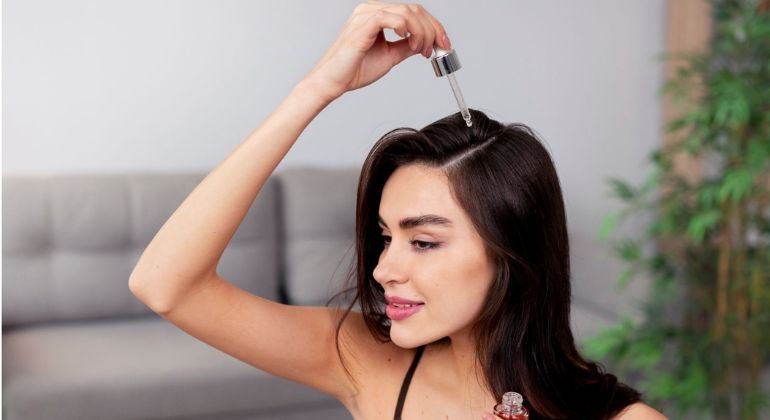
Consider a scalp-stimulating routine. Regular scalp massage even just four minutes a day has been shown in small studies to increase hair thickness over time by stretching follicle cells and stimulating blood circulation.
Hair Loss in the Shower: What a Normal Amount Actually Looks Like
This is one of the most common anxiety points. If you gather the hair from your shower floor or drain and it forms a loose ball roughly the size of a small coin, you are almost certainly within the normal range of daily hair shedding. If you wash daily, expect 50 to 100 strands. If you wash every few days, expect proportionally more.
If the ball of hair is consistently larger than a golf ball, or if you are noticing significant thinning on your scalp itself, that is worth tracking and discussing with a professional.
The Bottom Line on Normal Hair Loss
Losing 50 to 150 hairs per day is normal, healthy, and expected. Your hair is constantly renewing itself through the natural growth cycle, and what you see in the shower or on your brush is simply the end of that cycle for individual strands.
What matters most is your personal baseline. If your shedding has noticeably increased and stayed elevated for more than two to three months, or if you can see scalp thinning that was not there before, take action not in panic, but with curiosity and the support of a qualified medical professional.
Hair loss is rarely permanent when caught and addressed early, and in many cases, the cause is something as straightforward as an iron supplement or a reduction in stress.
Ready to take control of your hair health? Book a consultation with a trichologist or dermatologist who specializes in hair loss early assessment means more options and better outcomes. You can also start by asking your GP for a full hair loss blood panel at your next visit. Your hair is worth it.
Ready to find your perfect match? Contact us today for expert advice and exclusive discounts on premium human hair extensions.
📲Phone/WhatsApp: +1 (206) 698‑5133
🛜Instagram: RAW HAIR LUXURY COMPANY
🌐Tik Tok: RAW HAIR LUXURY
📧 Email: Rawhairluxury.us
🌐Website: rawhairluxury.com