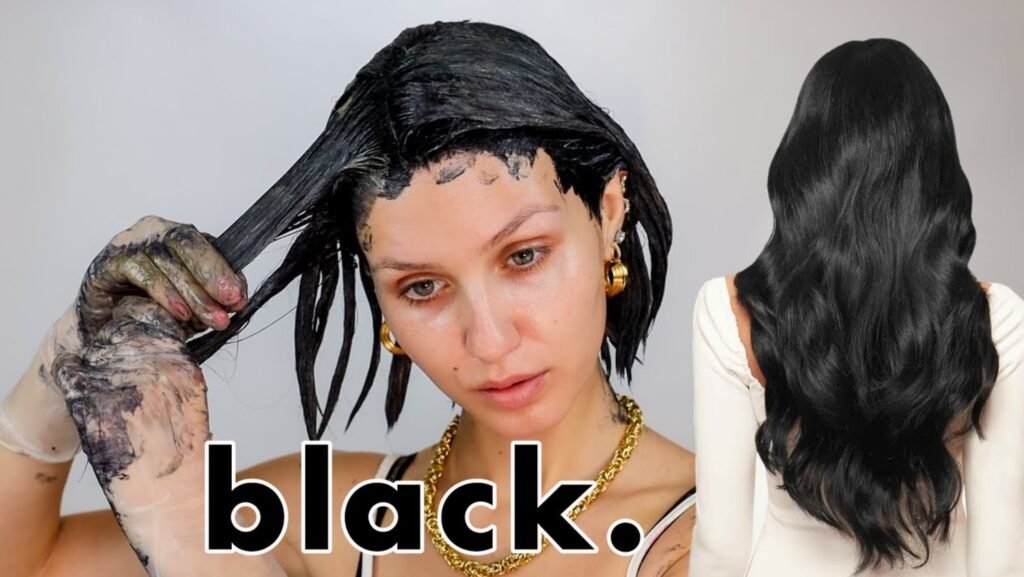
Hair is an essential part of our identity, often reflecting personality and style. For those who opt for black hair dye, whether to cover grays, experiment with a bold new look, or enhance their natural shade, the transformation can feel dramatic. However, dyed black hair is not the same as raw, untreated hair. Beyond the obvious difference in color, there are key distinctions in texture, structure, maintenance, and long-term health. Understanding these differences can help you care for your dyed hair and keep it looking its best.
What Makes Hair “Raw”?
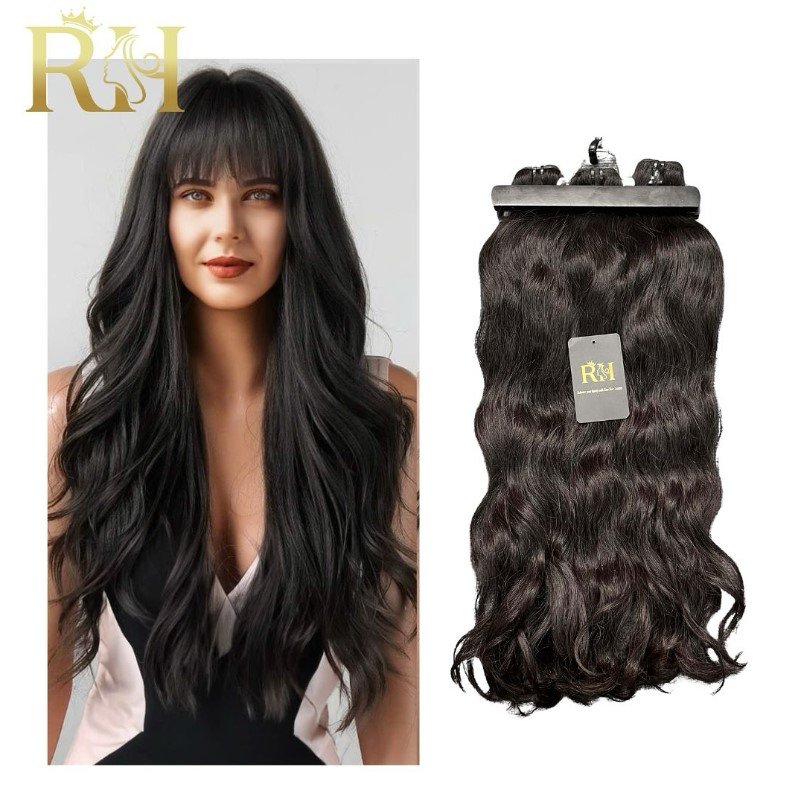
Raw hair refers to hair in its natural, untreated state. This means it hasn’t been chemically altered through processes like coloring, perming, or relaxing. Raw hair retains its original texture, color, and integrity, which vary widely depending on genetics. It’s typically more resilient to environmental factors, as it hasn’t been exposed to harsh chemicals that can weaken its structure.
Natural black hair, for instance, has a rich pigment called eumelanin, which gives it its dark shade. This pigment is a part of the hair’s natural composition, making it smooth, shiny, and elastic. Raw hair generally requires less maintenance, as it hasn’t undergone changes that make it more vulnerable to damage.
The Process of Dyeing Hair Black
When hair is dyed black, it undergoes a chemical transformation. Hair dye contains pigments and developers that penetrate the hair shaft to deposit color. Even with darker shades, which might seem less invasive than bleaching or lightening, the process alters the hair’s structure.
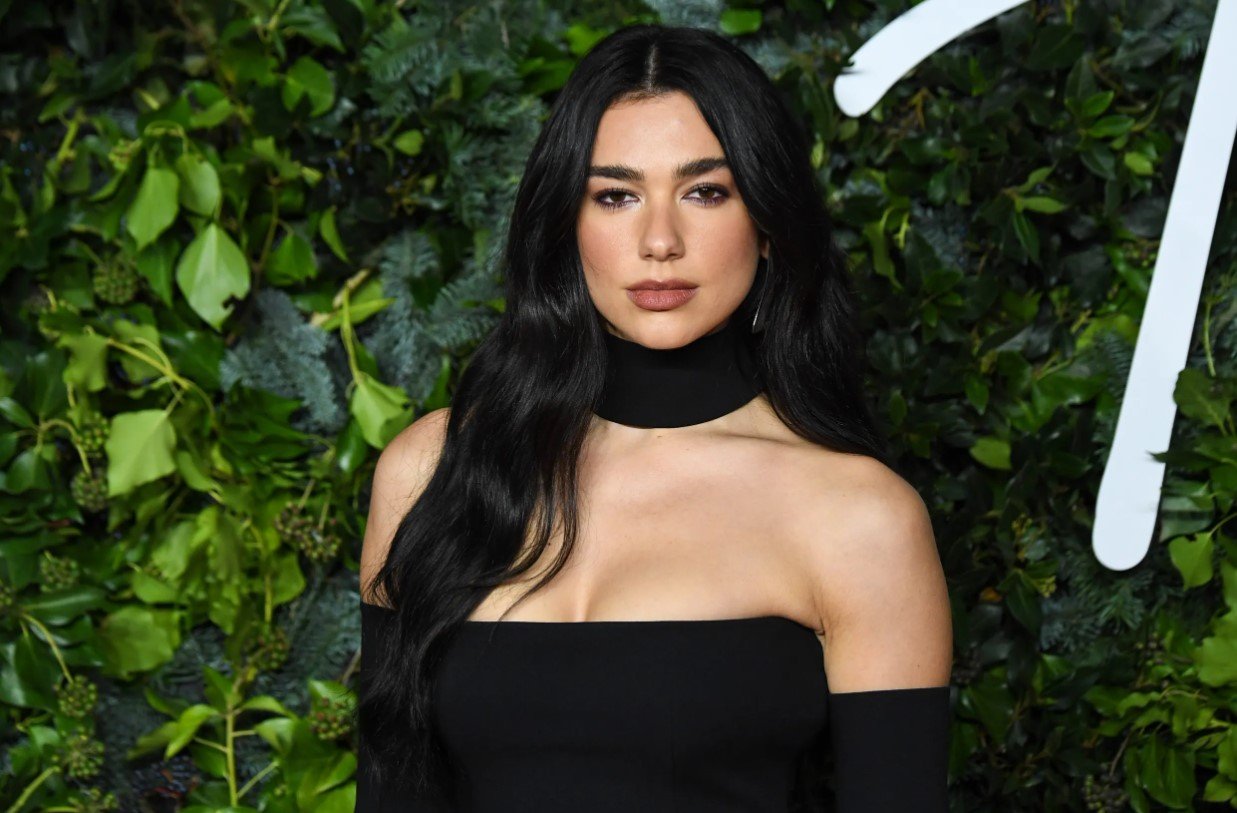
The ammonia or similar agents in the dye open up the hair cuticle, allowing color molecules to enter and bind to the cortex. While this gives dyed hair its rich, long-lasting hue, it also leaves the cuticle slightly raised, making hair more porous. This porosity can lead to changes in how the hair feels, looks, and behaves.
Key Differences Between Dyed Black Hair and Raw Hair
- Texture and Feel
Dyed black hair often feels different from raw hair. The chemical process can leave it feeling slightly drier or coarser, especially if the hair was already prone to dryness before dyeing. Raw hair tends to have a smoother, silkier texture because the cuticle layer is intact and lies flat, protecting the strands. - Porosity and Moisture Retention
Dyed hair is more porous than raw hair, meaning it absorbs and loses moisture more easily. While this can make it more responsive to conditioning treatments, it also means dyed hair can dry out faster, requiring extra care to maintain hydration. Raw hair, with its intact cuticle, retains moisture more effectively and is less prone to frizz and breakage. - Color Stability
The rich black hue of dyed hair may fade over time, especially with exposure to sunlight, frequent washing, or heat styling. Raw black hair doesn’t experience fading in the same way, as its pigment is a natural part of its structure. Maintaining dyed black hair often requires touch-ups and the use of color-safe products to preserve its vibrancy. - Maintenance Needs
Dyed black hair demands a more rigorous maintenance routine. To keep the color fresh and the hair healthy, you’ll need to use sulfate-free shampoos, deep conditioning treatments, and products designed to protect against UV damage. Raw hair requires less intensive care, relying more on basic cleansing and conditioning to stay healthy. - Appearance and Shine
Freshly dyed black hair often has a striking, glossy appearance due to the artificial pigments and conditioning agents in hair dye. However, over time, this shine can diminish if the hair isn’t properly cared for. Raw hair, on the other hand, maintains its natural shine longer since it hasn’t been exposed to chemical treatments that strip away its oils.
Caring for Dyed Black Hair
To keep dyed black hair looking its best, hydration is key. Use a high-quality, color-safe shampoo and conditioner to preserve the color and prevent fading. Incorporate weekly deep-conditioning treatments to restore moisture and repair any damage caused by the dyeing process. Avoid excessive heat styling, and always use a heat protectant if you must use tools like flat irons or curling wands.
Regular trims can also help keep dyed hair healthy by preventing split ends, which can travel up the hair shaft and lead to further damage. And remember, protecting your hair from the sun with a hat or UV-protectant spray can help maintain the depth and richness of your black color.
Final Thoughts
While dyed black hair can offer a bold and beautiful change, it’s important to recognize that it requires more attention and care than raw hair. The chemical processes involved in dyeing alter the hair’s structure, making it more delicate and demanding of specialized products and routines.
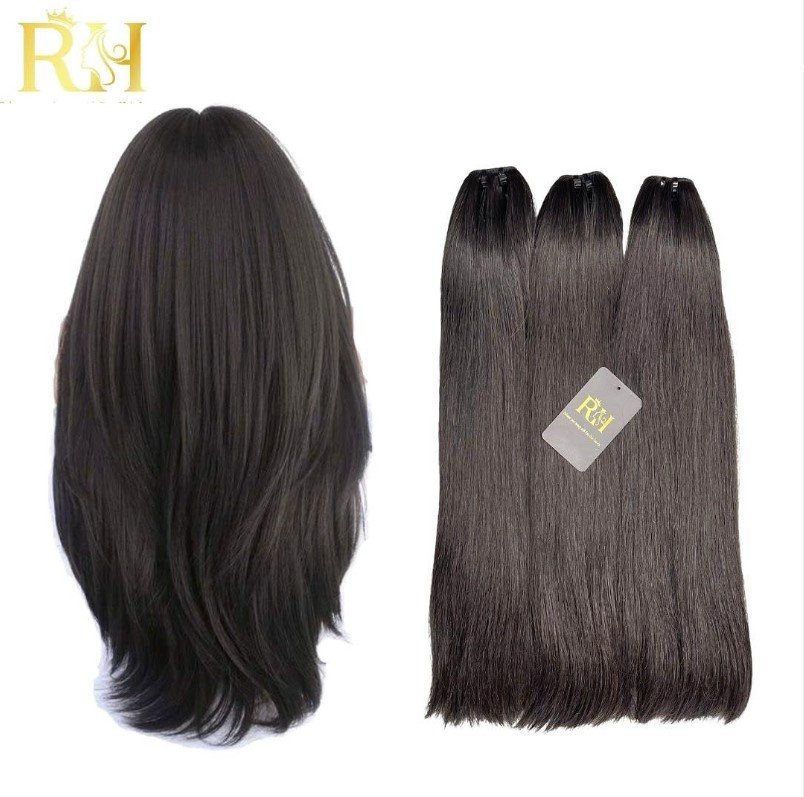
Raw hair, with its untouched integrity, is naturally strong and low-maintenance. However, for those who love the striking look of dyed black hair, the extra effort can be worth it to achieve the desired aesthetic. By understanding the differences between the two, you can make informed choices and enjoy healthy, beautiful hair, no matter your style.
Address: 1339 State Ave, Marysville, WA 98270, US
Instagram: rawhairluxury
Hotline: +1(206)698‑5133
Gmail: rawhairluxury.us@gmail.com