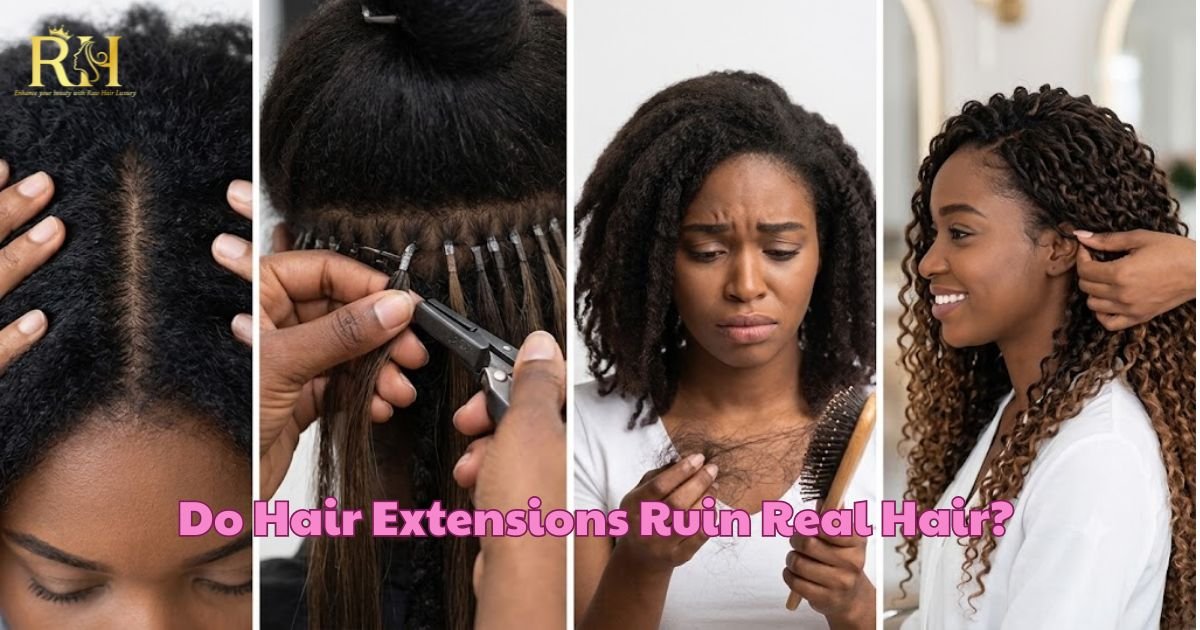

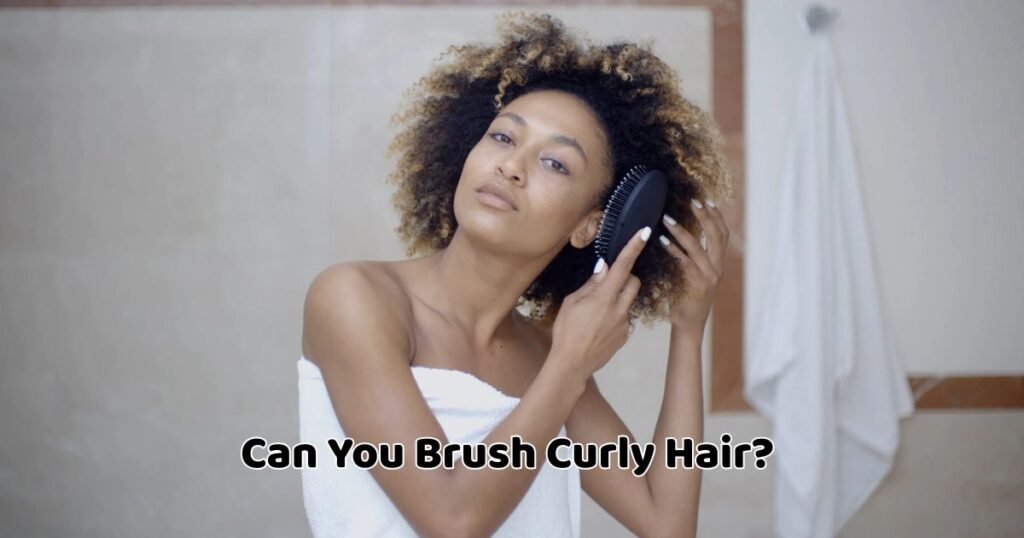
Yes, you can brush curly hair. But you should not treat curly hair like straight hair.
Brushing curls incorrectly can cause:
- Frizz
- Breakage
- More tangles
- Loss of curl definition
- Dry, rough-looking ends
The good news is that you do not have to avoid brushes completely.
The key is knowing when to brush curly hair, which tool to use and how to detangle it gently.
According to the American Academy of Dermatology, people with curly or tightly coiled hair can be more prone to dryness and breakage. Dermatologists recommend gentle detangling with curly hair while it is damp, using a wide-tooth comb or suitable detangling tool.
Can You Brush Curly Hair When It Is Dry?
Usually, you should avoid dry brushing if you want defined curls.
Dry brushing separates the natural curl clumps that give your hair its shape.
The result can be:
Defined curls → Brushed curls → More volume + more frizz
However, dry brushing is not always wrong.
If you want a soft, fluffy, brushed-out hairstyle, you can intentionally brush your curls when dry.
So the answer depends on your goal.
Want defined curls? Avoid regular dry brushing.
Want bigger, fluffier hair? Dry brushing can help create that look.
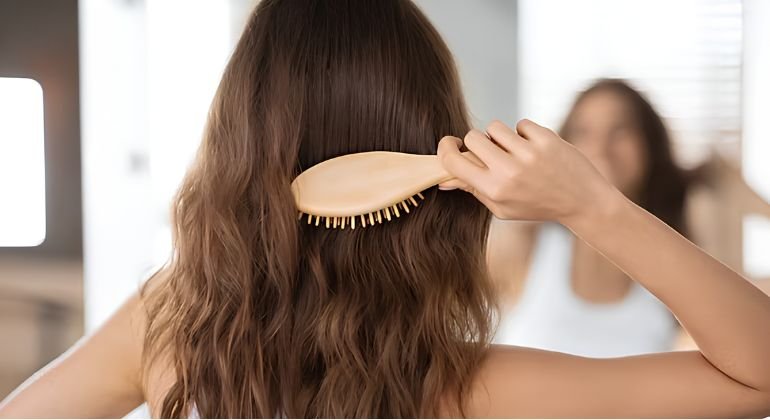
When Is the Best Time to Brush Curly Hair?
For most people, the best time to detangle curly hair is when it is wet or damp and covered with conditioner.
Conditioner adds slip, making tangled strands easier to separate.
The AAD recommends that people with thick or curly hair detangle in the shower before rinsing out conditioner.
The Simple Rule
Wet or damp hair + conditioner + gentle technique = easier detangling.
How to Brush Curly Hair Without Frizz
Follow these five simple steps.
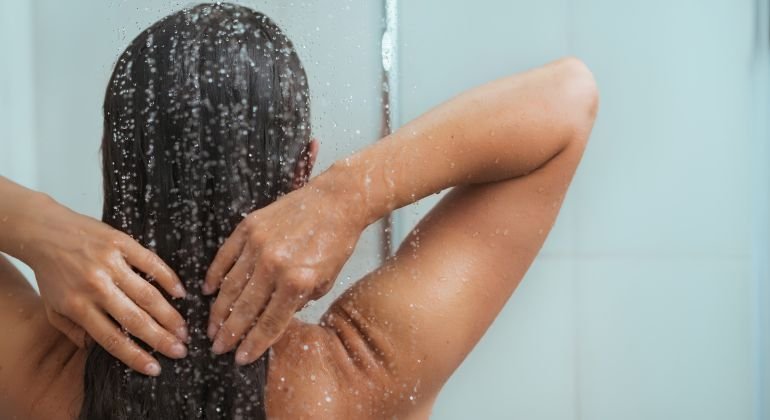
1. Wet Your Hair
Start with thoroughly wet or damp hair.
Avoid pulling a brush through dry, heavily tangled curls.
2. Apply Conditioner
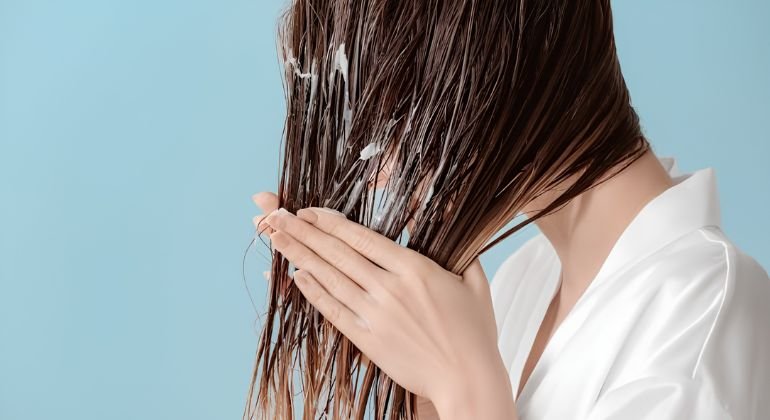
Apply conditioner through the lengths and ends.
If your hair is especially dry or tangled, a suitable leave-in conditioner can also improve manageability. Dermatologists note that leave-in conditioners can make curly, dry, tangled hair easier to comb and help reduce frizz.
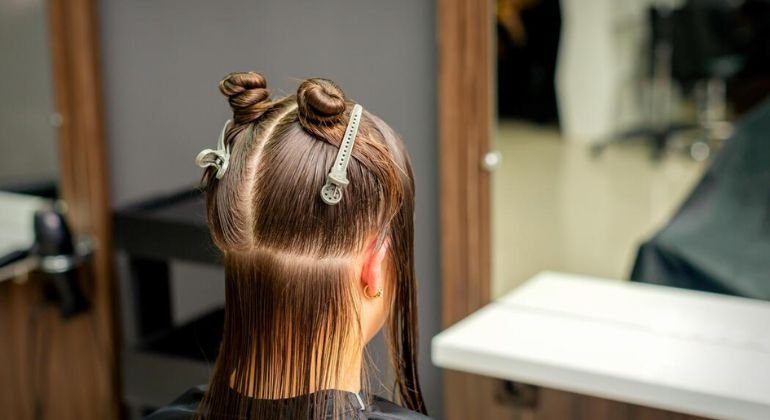
3. Divide Your Hair Into Sections
Separate your hair into 4 to 8 sections.
Thick or very long curls may need smaller sections.
This gives you better control and helps prevent unnecessary pulling.
4. Start at the Ends
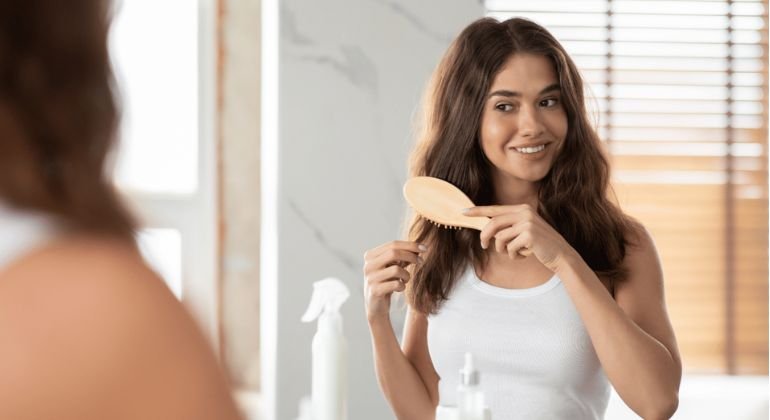
This is one of the most important rules.
Always start at the ends.
Work through the bottom few inches first.
Then gradually move upward toward the roots.
Do not start at the roots and drag a brush through the entire length.
5. Stop When You Hit a Knot
Never force a brush through a stubborn knot.
Instead:
- Stop brushing.
- Add more conditioner if needed.
- Separate the knot with your fingers.
- Gently brush through the loosened section.
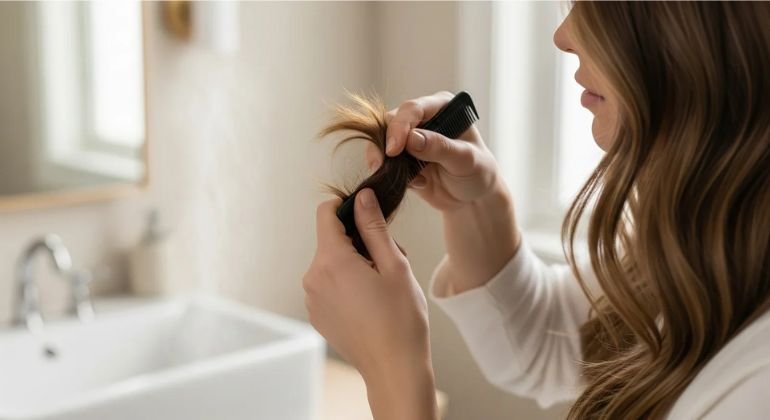
Slow and gentle is better than pulling harder.
What Is the Best Brush for Curly Hair?
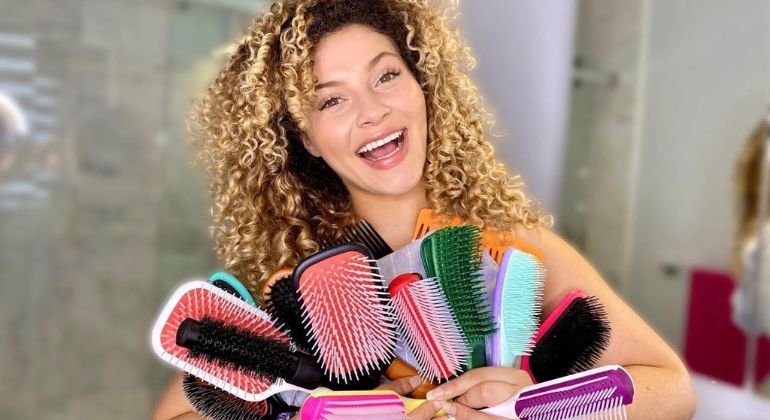
There is no single best brush for every curl type.
Wide-Tooth Comb
A wide-tooth comb for curly hair is a simple option for gentle detangling.
It works especially well in the shower while your hair is coated with conditioner.
Flexible Detangling Brush
A flexible detangling brush can be useful for thick or dense curls.
Use it on damp hair with enough conditioner or leave-in product.
Curl Styling Brush
Some brushes are designed to both detangle and define curls.
They can help group strands into curl clumps when used with styling products.
Choose your tool based on your hair density, curl pattern, and styling goal.
How Often Should You Brush Curly Hair?
Curly hair usually does not need daily brushing.
If your curls are already defined, brushing them every morning can create unnecessary frizz and manipulation.
Instead, detangle during your wash routine or whenever your hair actually needs it.
The American Academy of Dermatology recommends keeping brushing to a minimum and avoiding unnecessary tugging.
How to Brush Curly Hair Extensions
Curly hair extensions need extra care.
Because extension hair is not attached to your scalp in the same way as your natural hair, the lengths and ends can become dry and tangled.
For curly human hair extensions:
- Lightly dampen the hair.
- Apply a suitable leave-in conditioner.
- Work in small sections.
- Start at the ends.
- Slowly move toward the roots.
- Hold the hair above the attachment area.
- Never pull aggressively around clips, tapes, or bonds.
For more tips, check out the Raw Hair Luxury curly hair extensions care guide.
Final Thoughts
The goal is not to brush curly hair more.
The goal is to brush it better.
If you want defined curls, wet or damp detangling is usually the safest approach. Use the right tool, work from the ends upward, and avoid forcing your way through knots.
And if you wear curly hair extensions, gentle brushing and regular conditioning are especially important for keeping the hair smooth and manageable.
Looking for premium human hair extensions that blend naturally with your curls?
Explore Raw Hair Luxury or contact our team for help choosing the right texture, length, and extension type for your look.
For more hair-care tips and premium human hair extensions, explore Raw Hair Luxury and contact our team for personalized recommendations.
📲Phone/WhatsApp: +1 (206) 698‑5133
🛜Instagram: RAW HAIR LUXURY COMPANY
🌐Tik Tok: RAW HAIR LUXURY
📧 Email: Rawhairluxury.us
🌐Website: rawhairluxury.com