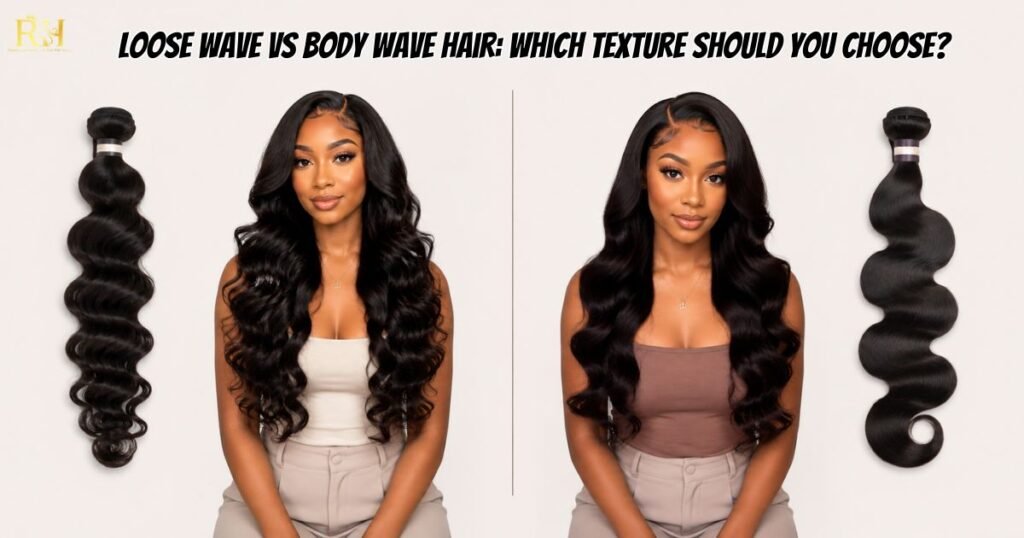
Standing in front of a hair extension catalog with loose wave and body wave bundles side by side, it’s easy to see why so many buyers hesitate. At first glance, both textures look like soft, natural waves and plenty of confusing, contradictory blog posts online haven’t helped clarify the difference. Some claim loose waves has tighter curls than body waves; others claim the opposite. So let’s settle it clearly and correctly.
This guide breaks down the real, consistent differences between loose wave vs body wave hair covering curl pattern, maintenance demands, longevity, styling versatility, and which texture actually suits your lifestyle, face shape, and climate best.
What Is Loose Wave Hair?
Loose wave hair features a large, relaxed wave pattern that flows gently from root to tip, similar to the soft ripples of beach waves rather than a defined curl. The wave pattern is looser and less structured than body waves, giving the hair a naturally bouncy, voluminous, effortless look that doesn’t appear overly styled.
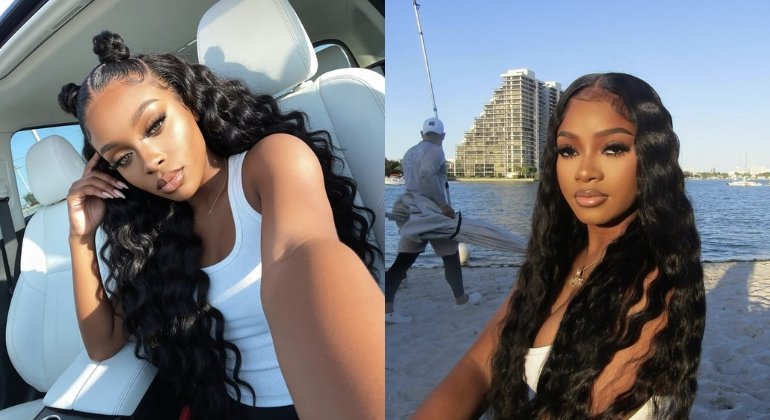
Because the wave is larger and less tightly defined, loose wave hair tends to hold its shape independently for longer stretches without requiring frequent restyling, particularly when properly cared for. It also tends to add noticeable volume and fullness, especially in longer lengths.
What Is Body Wave Hair?
Body wave hair has a tighter, more consistent S-shaped curl pattern running uniformly through the bundle, giving it a sleeker, more structured, and glossier appearance. It’s the texture most associated with that classic, glamorous “wand-curled” look.
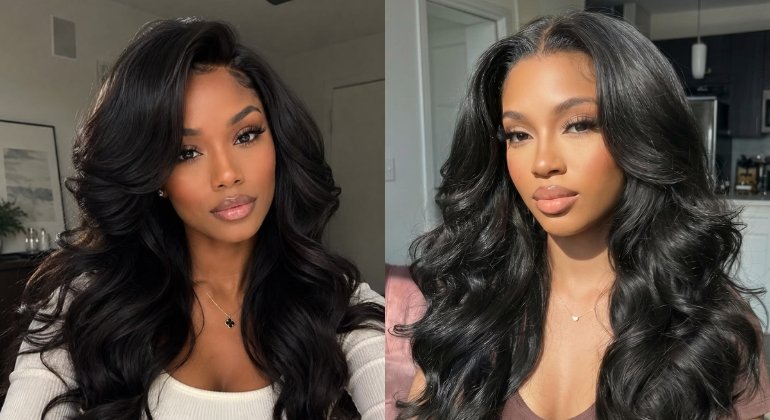
Because the curl is more tightly defined, body wave hair can appear sleeker and less voluminous strand-for-strand than loose wave, even though many people find it easier to style into a variety of finished looks, from straight to deeply curled.
Loose Wave vs Body Wave: Curl Pattern Compared
This is where most of the confusion online stems from, so let’s be precise. Loose wave hair has a larger, looser, more relaxed wave, think soft, flowing ripples. Body wave hair has a tighter, more clearly defined S-pattern that repeats consistently throughout the bundle.
The practical result is that loose waves look more like natural, undone beach hair, while body waves look more like a deliberately styled curl. Neither is “more curly” in an absolute sense they’re simply different wave structures suited to different aesthetic goals.
Which Texture Suits Your Face Shape and Style Goals?
While hair texture preference is largely personal, a few general styling principles can help guide your decision.
Loose wave hair’s soft, voluminous movement tends to complement round or square face shapes beautifully, as the added volume around the mid-lengths creates gentle width that balances stronger jawlines. It also pairs naturally with casual, “effortless” aesthetics and works well for everyday wear, vacations, and relaxed events.
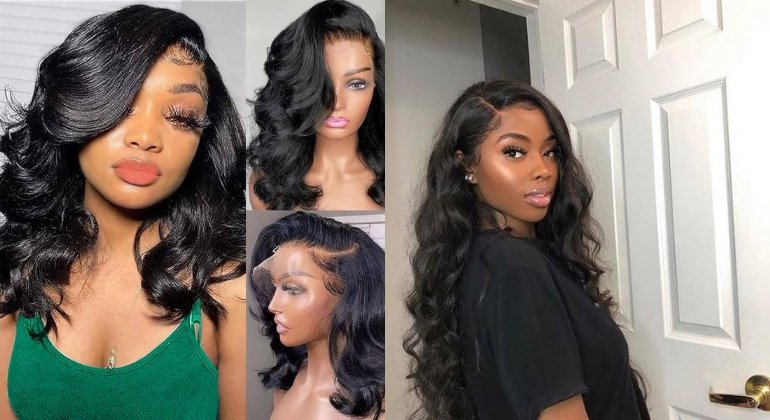
Body wave hair’s sleeker, more structured curl often suits oval or heart-shaped faces particularly well, since the tighter pattern doesn’t add excess width at the jawline. It also leans more naturally into polished, formal, or glamorous styling, making it a popular choice for special occasions, weddings, and red-carpet-inspired looks.
Longevity and Durability
Both loose wave and body wave hair extensions, when made from high-quality, single-donor Remy or virgin human hair, offer comparable durability in terms of shedding resistance and tangle-free wear typically twelve months or more with proper care. The deciding factor in longevity isn’t the texture itself but the hair quality and your maintenance routine.
That said, because body wave requires more frequent heat restyling to maintain its defined pattern, it can be more prone to gradual heat-related dryness over time if heat protectant isn’t used diligently. Loose wave’s lower heat-styling demands give it a slight practical edge for long-term hair health, assuming both are cared for with equal diligence otherwise.
Quick Comparison: Loose Wave vs Body Wave at a Glance
- Curl pattern: Loose wave is larger and more relaxed; body wave is tighter and more defined
- Volume: Loose wave offers more visible fullness; body wave is sleeker
- Maintenance: Loose wave holds its shape longer; body wave needs more frequent re-curling
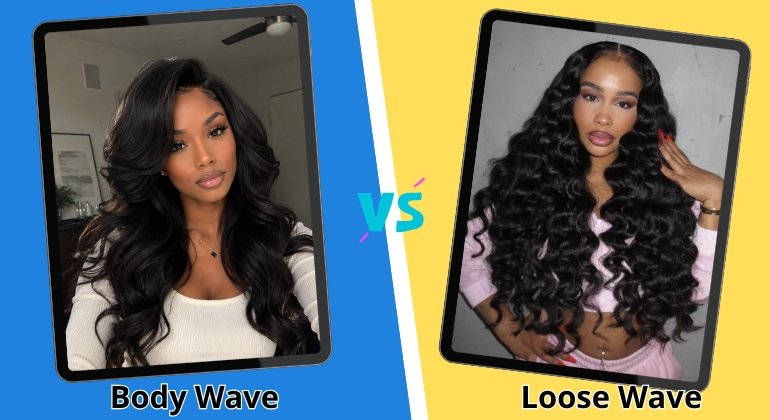
- Best for: Loose wave suits casual, everyday, voluminous looks; body wave suits polished, versatile, occasion-ready looks
- Humidity resistance: Body wave handles humidity slightly better; loose wave performs best in drier climates
- Heat exposure over time: Loose wave generally requires less heat styling long-term
How to Care for Each Texture Properly
Regardless of which texture you choose, a few care principles apply universally to extend the life and beauty of your hair.
Wash with sulfate-free shampoo and a hydrating conditioner every one to two weeks, focusing conditioner on the mid-lengths and ends rather than the roots. Detangle gently with a wide-tooth comb starting from the ends and working upward, never pulling through knots from the root down. Always apply a heat protectant before any styling tool use, particularly important for body wave hair given its more frequent restyling needs. Sleep with hair loosely braided or in a silk-protected style to preserve the wave pattern overnight and reduce friction-related frizz. Deep condition every two weeks with a protein or moisture treatment, depending on which your hair texture needs most based on how it feels and behaves between washes.
So, Which Should You Choose: Loose Wave or Body Wave?
If you want voluminous, effortless, low-maintenance waves that look naturally beautiful with minimal daily styling, loose wave hair is likely your better match. If you prefer a sleeker, more defined curl that you can style into multiple polished looks and don’t mind occasional touch-ups to maintain definition, body wave hair will serve you well.
There is no universally “better” option between loose wave vs body wave — only the texture that best matches your styling habits, climate, face shape preferences, and how much time you realistically want to spend maintaining your hair day to day.
Ready to find your perfect texture? Contact us today for personalized hair texture recommendations and an exclusive discount on your first order of premium, single-donor human hair extensions.
Ready to find your perfect match? Contact us today for expert advice and exclusive discounts on premium human hair extensions.
📲Phone/WhatsApp: +1 (206) 698‑5133
🛜Instagram: RAW HAIR LUXURY COMPANY
🌐Tik Tok: RAW HAIR LUXURY
📧 Email: Rawhairluxury.us
🌐Website: rawhairluxury.com