
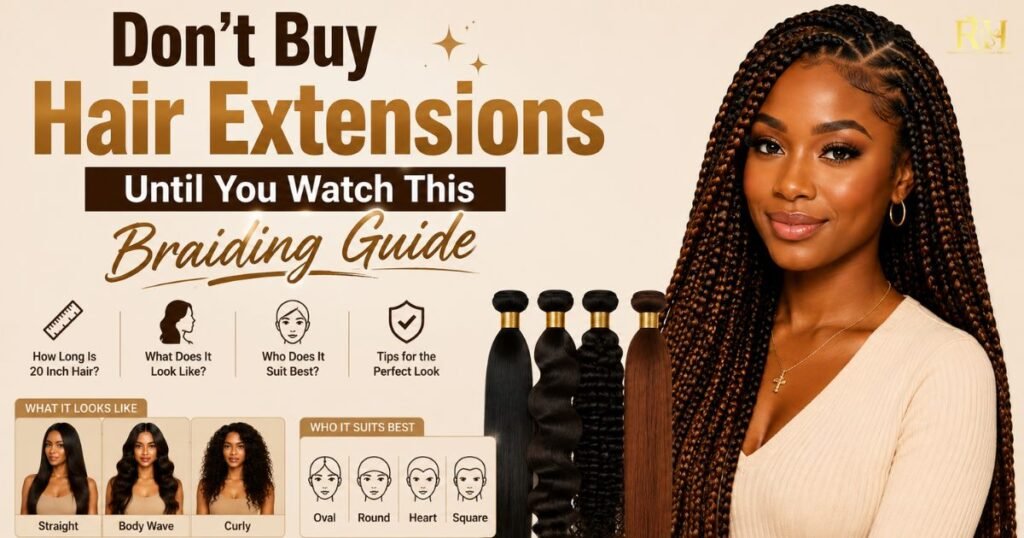
Braided styles are timeless, versatile, and protective but mastering how to use braiding hair extensions is the key to achieving neat, long lasting results. In this Braiding Guide, Raw Hair Luxury will walk you through everything you need to know to braid with confidence, create a seamless natural finish, and keep both your natural hair and extensions looking flawless.
What Are Braiding Hair Extensions?
In this Braiding Guide, braiding hair extensions are specially designed hair fibers used to add length, volume, thickness, and style versatility to braided hairstyles. Unlike clipins or tapeins, braiding extensions are integrated directly into your natural hair during the braiding process, creating seamless, long lasting styles such as box braids, knotless braids, cornrows, Senegalese twists, and faux locs.
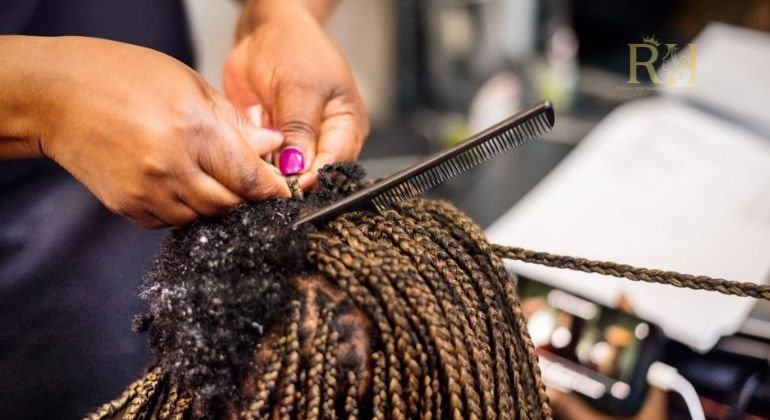
These extensions come in various textures, lengths, and colors, allowing you to customize your look while protecting your natural hair. For beginners learning how to braid hair with extensions for beginners, this Braiding Guide shows that braiding hair extensions make it easier to achieve uniform braids and professional looking results without relying solely on natural hair length or density.
How to Choose the Best Braiding Hair Extensions for Every Braid Style
In this Braiding Guide, braiding hair extensions are essential for creating fuller, longer, and more versatile braid styles. Whether you are planning box braids, cornrows, twists, or bohemian braids, choosing the right extensions can make a big difference in the final look, comfort, and longevity of your hairstyle.
For anyone learning how to braid hair with extensions for beginners or exploring how to use braiding hair extensions for beginners, understanding the different types, textures, and lengths of braiding hair is the first step toward achieving beautiful, long lasting braids.
Consider the Type of Braiding Hair
One of the most important things to consider in this Braiding Guide is the type of hair used in the extensions. Most braiding hair extensions fall into two main categories: synthetic hair and human hair.
Synthetic braiding hair is the most common and affordable option. It is widely used for styles like box braids, knotless braids, and cornrows because it holds braids firmly and helps keep the style neat for weeks. Human hair extensions, on the other hand, offer a more natural look and feel. They are often chosen for styles that need more flexibility, such as boho braids or braided hairstyles with loose curly ends. While they are more expensive, they blend beautifully with natural hair and offer more styling options.
Choose the Right Texture
Texture also plays a major role in how natural your braids look. The goal is to choose extensions that closely match your natural hair texture so the braids blend seamlessly.
For example, coarse or yaki textured braiding hair works well for natural hair because it mimics the look and grip of textured strands. This makes the braiding process easier, especially for beginners learning how to braid natural hair with extensions for beginners.
If you want a smoother, sleeker finish for styles like micro braids or goddess braids, softer synthetic hair may be a better choice. Matching the right texture helps your braids look more natural and prevents slipping during installation.
Select the Appropriate Length
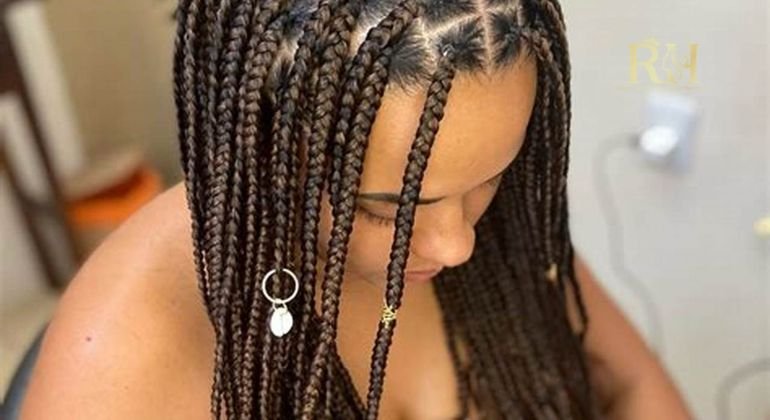
In this Braiding Guide, braiding hair extensions come in many lengths, usually ranging from 14 inches to 36 inches. The length you choose depends on the braid style you want to achieve.
Shorter lengths create more manageable and lightweight braids, which can be ideal for those just learning how to use braiding hair extensions step by step. Longer extensions are perfect for dramatic styles like waistlength box braids or long goddess braids, but they may take more time and skill to install.
Consider Weight and Comfort
Another key point in this Braiding Guide is comfort. Heavy extensions can put tension on the scalp and may lead to discomfort or breakage, especially if the braids are worn for several weeks.
Lightweight synthetic fibers are often preferred for protective styles because they reduce strain on the scalp while still creating full, thick braids. For beginners exploring how to braid hair with extensions for beginners, lighter hair also makes the braiding process much easier to manage.
Look at Color Options
Braiding hair extensions are available in a wide range of colors, from natural shades like black and brown to vibrant tones such as red, blonde, and ombré blends. Choosing a color that complements your natural hair can enhance the overall style and add dimension to the braids.
Many people also experiment with mixed tones or highlights to create a more modern, personalized look, making this Braiding Guide even more useful for styling inspiration.
How to Use Braiding Hair Extensions: Step by Step Guide
In this Braiding Guide, braiding hair extensions are commonly used for styles such as box braids, knotless braids, cornrows, twists, and crochet braids. Follow the steps below to achieve a neat, longlasting, and beautiful hairstyle.
Step 1: Prepare Your Natural Hair
Proper preparation is essential, especially if you’re learning how to braid hair with extensions for beginners in this Braiding Guide.
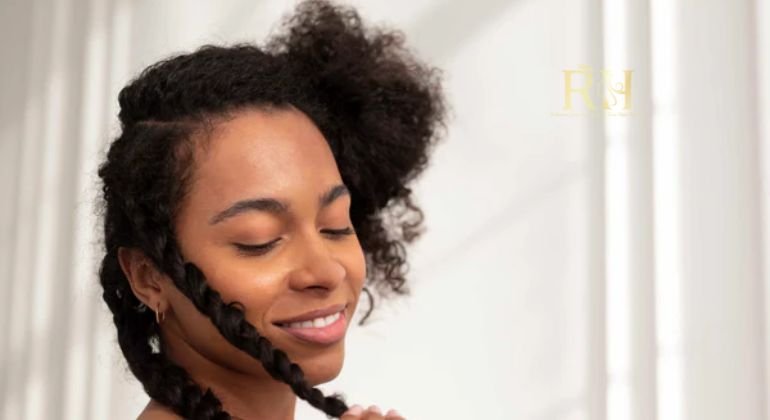
Start by washing your hair with a gentle shampoo, then follow up with conditioner to reduce dryness and tangling. Once clean, dry your hair completely braiding damp hair can lead to frizz and scalp issues. Detangle thoroughly using a wide tooth comb, then apply a small amount of hair oil or leave in conditioner to protect your strands and improve manageability.
Finally, section your hair evenly with a rattail comb and secure each section with clips. Clean, precise sections are especially important when figuring out how to use braiding hair extensions on short hair, as they help keep braids neat, uniform, and long lasting in this Braiding Guide.
Step 2: Prepare the Braiding Hair
In this Braiding Guide, before attaching the extensions, separate the braiding hair into smaller strands depending on how thick or thin you want each braid to be. Gently fluff or smooth the hair to remove stiffness and create a more natural, blended look.

This step makes the braiding process smoother and more controlled, especially for those learning how to use braiding hair extensions for beginners. Within this Braiding Guide, proper preparation also improves grip, reduces tangling, and gives you better precision during installation.
Step 3: Attach and Braid
In this Braiding Guide, take a small section of your natural hair at the root. Place the prepared braiding hair at the base of this section and divide everything into three equal strands.
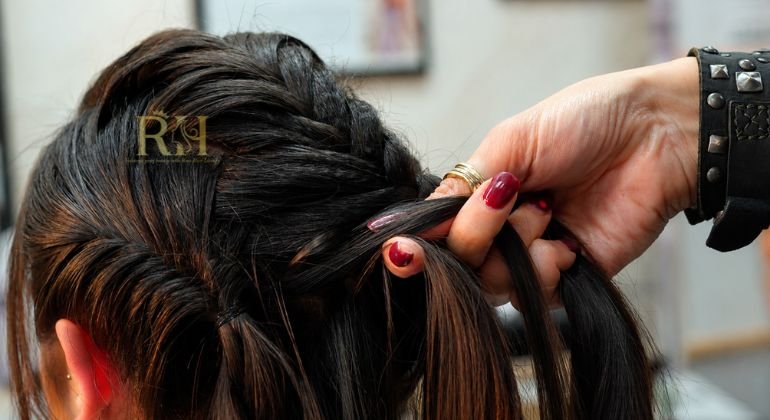
Begin braiding tightly but comfortably from the root, blending your natural hair with the extensions as you go. Maintain even tension throughout to avoid scalp discomfort while ensuring the braid stays secure and long lasting.
Continue braiding down to your desired length. This technique is especially helpful for anyone learning how to braid natural hair with extensions for beginners, as outlined in this Braiding Guide, since it creates a smooth, seamless blend between your natural hair and the added extensions.
Step 4: Secure the Ends
In this Braiding Guide, how you seal the ends depends on the type of extensions you’re using. For synthetic braiding hair, dip the ends into hot water and gently pat dry to seal the braid and prevent unraveling. For human hair extensions, secure the ends with a small elastic band or tie a light knot if needed.
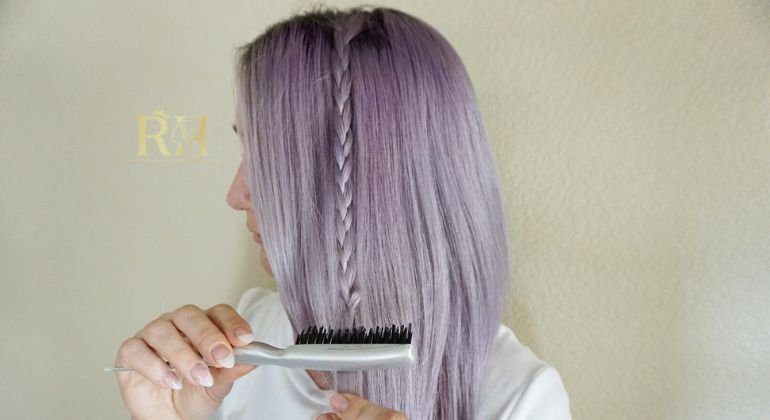
This step ensures your braids stay neat, last longer, and maintain a clean, polished finish, making it an essential part of any proper Braiding Guide routine.
Step 5: Finish and Style
Once all the braids are complete, apply a small amount of mousse or styling gel to smooth frizz and enhance shine. This helps give your braids a neat, polished, salonfinished look.
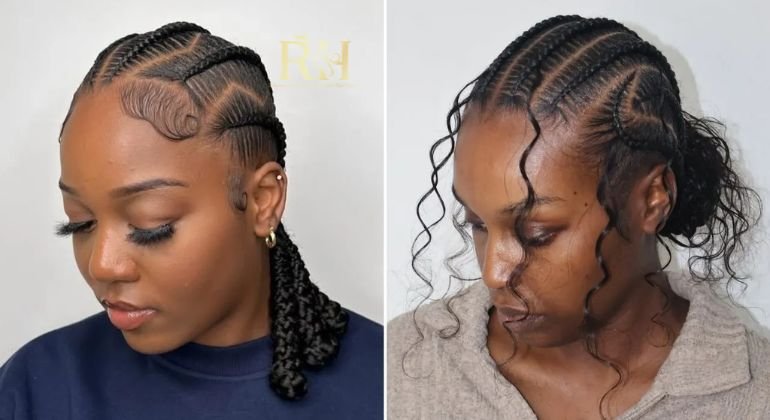
Next, trim any uneven ends for a clean and professional result. From here, you can style your braids freely, wear them down, pull them into updos, or add accessories to personalize your look and match your style.
How to Blend Extensions Naturally
Achieving a seamless transition between your natural hair and extensions is the hallmark of a professional looking protective style. If the blend is poor, braids can appear bulky at the roots or develop visible “fuzz” along the length. Whether you are working with synthetic fiber or premium GoviHair human hair, this Braiding Guide shows you how to master the perfect blend.
Perfecting the Color Match
The first rule in this Braiding Guide for how to use braiding hair extensions for beginners is maintaining color consistency. If your natural hair is dark at the roots but you want blonde braids, use a “tucking” technique. This means keeping your natural hair strand directly behind the extension strand as you cross them, allowing the extension to visually conceal your natural color for a seamless finish.
Texture Alignment (Stretching & Prepping)
One reason beginners struggle with how to braid hair with extensions is a mismatch in texture. In this Braiding Guide:
- For Type 3/4 Hair: It is highly recommended to blowdry and stretch your natural hair before braiding. Straightening the curl pattern helps it lay flatter and blend more smoothly with the extensions.
- Feathering the Ends: If your braiding hair has blunt cut ends, it may not taper naturally. Lightly pull apart small sections at varying lengths before braiding. This “feathering” technique creates a softer, natural taper toward the ends.
The “Pinch and Grip” for Short Hair
When learning how to use braiding hair extensions on short hair, blending becomes even more important because natural ends can slip out of the braid.
- Use Edge Control: Apply braiding pomade or edge control along each section to help your natural hair stick to the extensions and prevent frizzing or slipping.
- Tension Management: Keep the first few stitches firm at the scalp. If the base is too loose, the extension may slide, creating visible gaps between the braid and the scalp.
Implementing the Knotless Feed In Method
For anyone exploring how to braid natural hair with extensions for beginners, the Knotless method offers the most natural blend in this Braiding Guide.
- Start Small: Begin the braid using only your natural hair to create a natural looking root.
- Incremental Additions: Gradually feed in small amounts of extension hair. This builds thickness smoothly without creating a bulky knot at the base.
Sealing the Blend with Mousse and Heat
Even with perfect technique, small flyaways may still appear. This Braiding Guide recommends:
- The Mousse Set: After completing the how to use braiding hair extensions step by step process, apply a generous layer of setting mousse to smooth the braids and reduce frizz.
- The Scarf Method: Wrap your hair with a silk or satin scarf for 15 – 20 minutes. This helps flatten flyaways and locks your natural hair into the extensions for a sleek, long lasting finish.
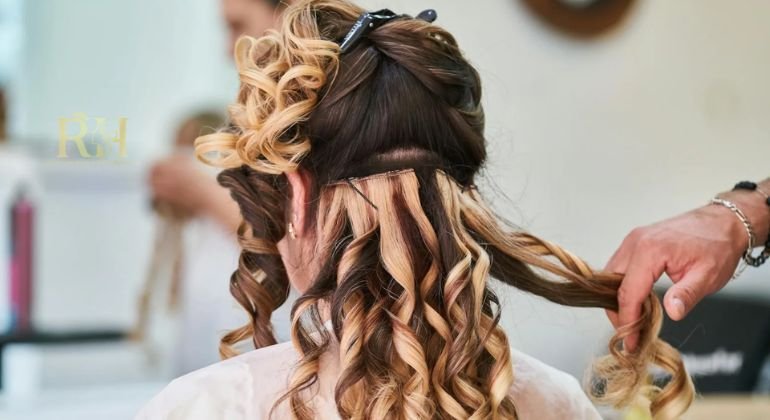
Popular Braided Styles Using Extensions
Braiding hair extensions unlock a wide range of protective and stylish looks that work for all hair lengths and skill levels. Whether you are learning how to braid hair with extensions for beginners or looking for styles that suit shorter natural hair, these timeless braided hairstyles are versatile, customizable, and always in trend.
1. Box Braids
Box braids are one of the most iconic styles created with braiding hair extensions. The hair is divided into neatly parted square or rectangular sections, then braided from root to tip with added extensions for length, volume, and fullness.
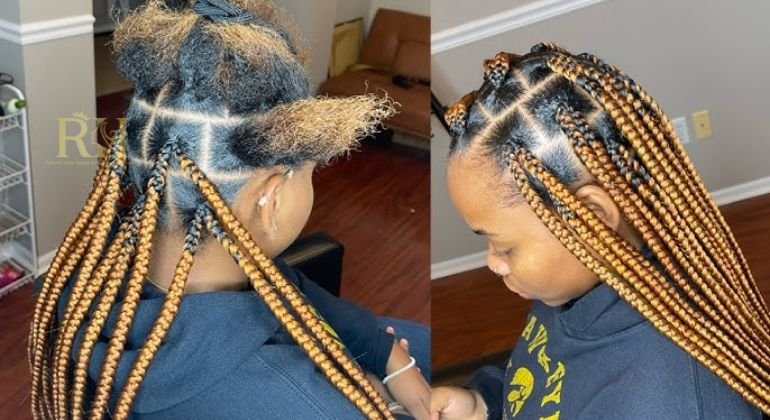
In this Braiding Guide, box braids are especially recommended for those learning how to use braiding hair extensions step by step because they offer full control over tension, parting, and braid size. They also work well across different hair textures and can easily be adapted for how to use braiding hair extensions on short hair by using smaller sections and securing tighter, more stable bases.
- Feed In Braids
Feed in braids, also known as knotless braids, are a popular style that creates a natural, seamless look by gradually adding extensions as you braid. Instead of attaching all the extension hair at once, small sections are “fed in” throughout the braid, which reduces tension and results in a flatter, more realistic finish.
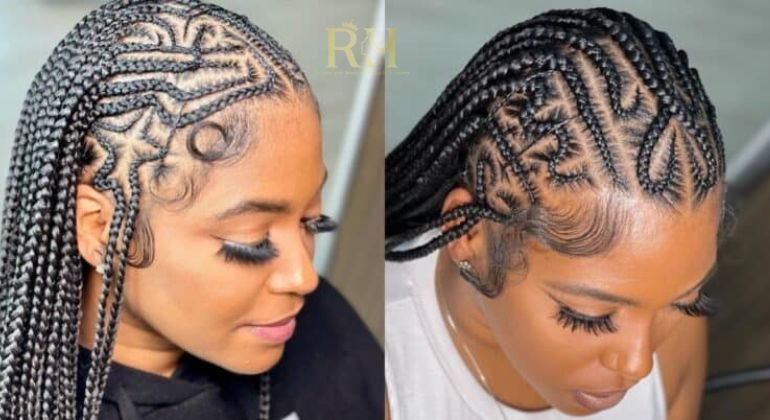
In this Braiding Guide, this technique is especially useful for beginners learning how to use braiding hair extensions for beginners because it is gentler on the scalp and allows for a smoother, more natural blend between the extensions and your real hair.
- Cornrows
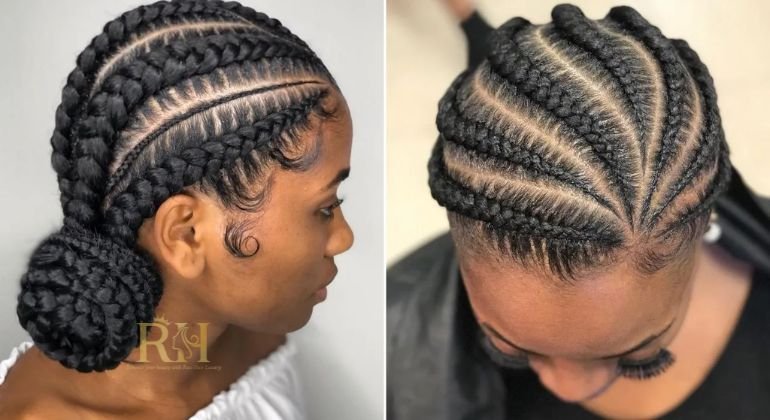
Cornrows are braided closely to the scalp in straight lines or creative patterns, often using extensions to add extra length, thickness, and bold design elements. They are a great style for anyone practicing how to braid natural hair with extensions for beginners, as the scalp based technique helps keep the braids neat, secure, and long lasting.
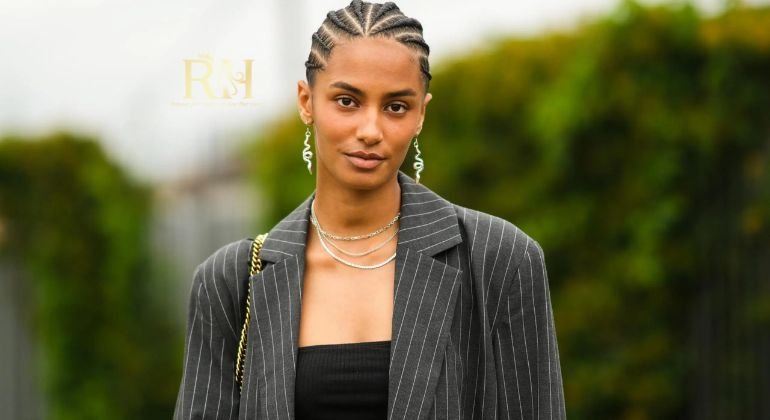
In this Braiding Guide, cornrows are also an excellent option for short hair, making them a goto choice when learning how to use braiding hair extensions on short hair due to their flexibility, control, and clean finish.
- Faux Locs (Using Braided Extensions as a Base)
Faux locs are created by first braiding the natural hair with extensions, then wrapping additional hair around the braid to achieve a realistic loclike appearance. This style offers the look of dreadlocks without the long term commitment, making it a popular protective option.
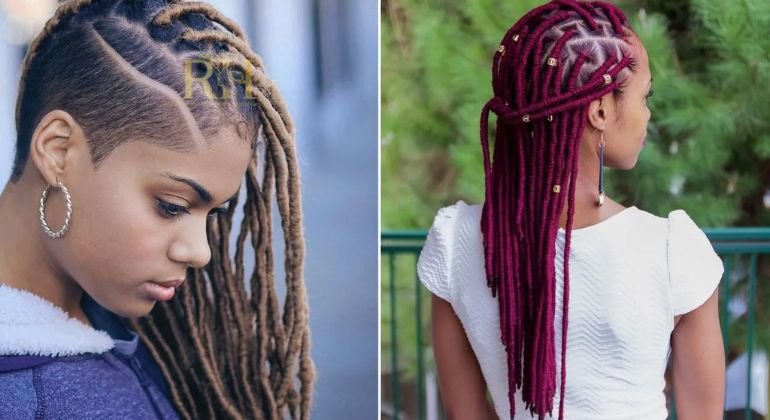
In this Braiding Guide, faux locs are considered beginner friendly because the braided base provides strong structure and stability, making it easier to wrap the hair evenly while following how to use braiding hair extensions step by step.
5. Crochet Braid Variations
Crochet braids are created by first cornrowing the natural hair, then looping prebraided or loose extension hair through the cornrows using a crochet hook. This method is ideal for achieving instant volume, length, and versatility without having to braid each section individually.
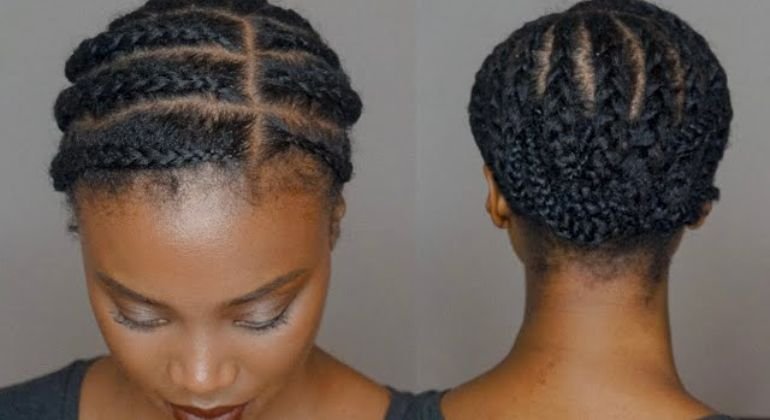
In this Braiding Guide, crochet braids are especially beginner friendly because they offer a low tension protective style that reduces strain on the scalp. It’s an excellent option for anyone learning how to use braiding hair extensions for beginners, particularly for those with limited time or little styling experience.
Safety Tips & Common Mistakes to Avoid
Braiding with extensions can protect your natural hair and create beautiful, long lasting styles but only when done correctly. Many beginners experience issues not with the braids themselves, but with tension, weight, or improper technique. In this Braiding Guide, these safety tips will help you braid with confidence while keeping your hair and scalp healthy.
Avoid braiding too tight
One of the most common mistakes is pulling the hair too tightly at the roots. While tight braids may look neat initially, they can cause scalp pain, irritation, inflammation, and even traction alopecia over time. Braids should feel secure but still comfortable. If you feel soreness, tenderness, or itching immediately after installation, the tension is too high and should be adjusted right away.
Don’t use too much extension hair for small sections
Using excessive braiding hair on small sections adds unnecessary weight and strain. This extra tension can pull on the roots and weaken natural hair, especially around the hairline. In this Braiding Guide for how to braid hair with extensions for beginners, it’s best to use lightweight, evenly balanced strands that match the size of your natural hair section for a more natural and safe result.
Avoid overloading hair to prevent breakage
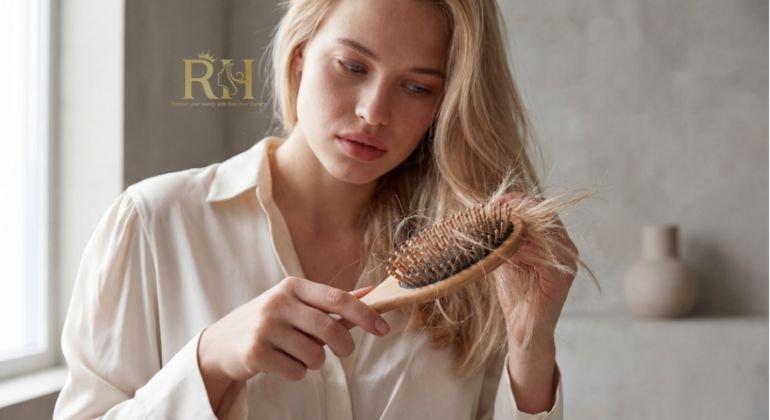
Overloading happens when the extensions are too heavy or the braids are too long for your natural hair’s strength. This can lead to thinning, breakage, and scalp stress. To prevent this, always match the thickness of the extensions to your natural hair density and choose a manageable length especially when learning how to use braiding hair extensions on short hair within this Braiding Guide.
Watch for signs of stress on the scalp
Redness, bumps, headaches, or constant itching are clear warning signs that your braids may be too tight or too heavy. In this Braiding Guide, addressing these issues early is essential to protect your hair follicles and maintain long term scalp health.
Take breaks between braided styles
Even when installed correctly, braids still place some level of tension on the hair. Give your natural hair time to recover by wearing it loose or in lowtension styles for a few weeks between installs. This step is especially important when practicing how to use braiding hair extensions step by step, helping you avoid long term damage while improving your technique.
Maintain moisture and scalp care
Dry hair is more vulnerable to breakage, especially when styled in braids. Keep your scalp hydrated with lightweight oils or scalp sprays, and cleanse gently to prevent product buildup. In this Braiding Guide, maintaining healthy, moisturized hair ensures better blending and longer lasting braided styles.
Raw Hair Luxury – Where You Buy HighQuality Bulk Hair for Braiding
If you are looking for the gold standard in protective styling, Raw Hair Luxury is your ultimate destination for high quality bulk hair for braiding. Unlike synthetic alternatives that may cause scalp irritation, Raw Hair Luxury provides 100% Vietnamese human hair that is carefully curated for professional salons and clients who demand excellence.
Our bulk hair stands out because of its purity and structural integrity. When you learn how to braid natural hair with extensions for beginners, using high quality hair makes the process significantly easier and delivers a more natural, seamless result.
100% Virgin Human Hair: We offer 100% raw hair collected from a single donor. This ensures that the cuticles are aligned, helping prevent tangling and matting often found in lower quality extensions.
Superior Strength and Texture: Our hair is carefully selected for its soft, smooth, and strong characteristics. It provides the ideal “grip” needed for how to use braiding hair extensions on short hair.
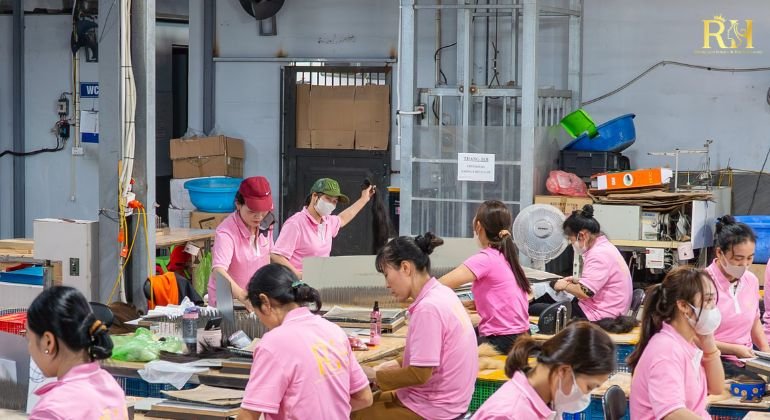
Customization: Because our hair is unprocessed, it can be bleached or dyed to lighter shades without losing its natural luster. We offer lengths ranging from 30 cm to 100 cm.
Available Colors: Natural Black, Brown, Blonde, Piano Mix (Brown & Blonde for highlighted effects)
For the best braiding experience, we recommend our Natural Straight (unprocessed) hair. It is easier to work with and provides superior hold for styles like box braids and cornrows.
At Raw Hair Luxury, we support your business growth and personal styling journey with flexible ordering policies:
Sample Orders: Start with a minimum of 300 grams to evaluate our premium quality before committing to a larger purchase.
Wholesale Pricing: Orders of 1 kg or more receive our most competitive pricing, making us a top tier supplier in the Vietnam hair market.
Expert Guidance: Every order includes a Vietnamese hair care guidebook, offering professional tips on how to maintain the hair’s beauty for long term use.
🔥Remember to visit our social media pages Hair Luxury now so you don’t miss out on the day’s deals!!!🔥
📲Phone/WhatsApp: +1 (206) 698‑5133
🛜Instagram: RAW HAIR LUXURY COMPANY
🌐Tik Tok: RAW HAIR LUXURY
📧 Email: Rawhairluxury.us
🌐Website: rawhairluxury.com