
Finding hair on your pillow, clothes, shower drain, or hairbrush can be worrying. But seeing some hair fall out every day does not always mean you are losing your hair permanently.
So, how much hair loss is normal?
For most people, losing around 50 to 100 hairs a day can be normal. Hair naturally goes through different growth stages, and some hairs reach the end of their growth cycle and fall out to make room for new ones.
The important question is not only how much hair you lose. You should also look at how your hair looks and feels over time.
If your hair is becoming noticeably thinner, your part is getting wider, or you are seeing bald patches, the shedding may be more than normal.
Medical note: This article provides general educational information and is not a diagnosis. If you have sudden, severe, or unexplained hair loss, speak with a qualified healthcare professional or dermatologist.
What Is Normal Hair Shedding?
Hair growth is a continuous cycle. Each strand goes through a growth phase, a resting phase, and eventually a shedding phase.
Because thousands of hairs are growing at different times, some naturally fall out every day.
A commonly cited range is 50 to 100 hairs per day, although the actual amount can vary between people.
You may notice more normal hair shedding when:
- Washing your hair
- Brushing or combing
- Detangling long hair
- Wearing your hair up for several hours
- Going several days without washing it
For example, if you wash your hair only twice a week, you may see more loose hairs in the shower. This does not necessarily mean you are suddenly losing more hair.
How Much Hair Do You Lose a Day?
There is no exact number that is normal for everyone.
Hair length, thickness, washing habits, hairstyle, and individual hair cycles can all affect how much hair you notice.
Instead of counting every strand, pay attention to changes over time.
If you normally see a small amount of shedding and suddenly notice significantly more hair for several weeks, it is worth investigating.
Hair Shedding vs Hair Loss: What Is the Difference?
Hair shedding and hair loss are not always the same thing.
Hair shedding usually refers to hairs naturally falling out as part of the hair cycle. New hairs can replace them.
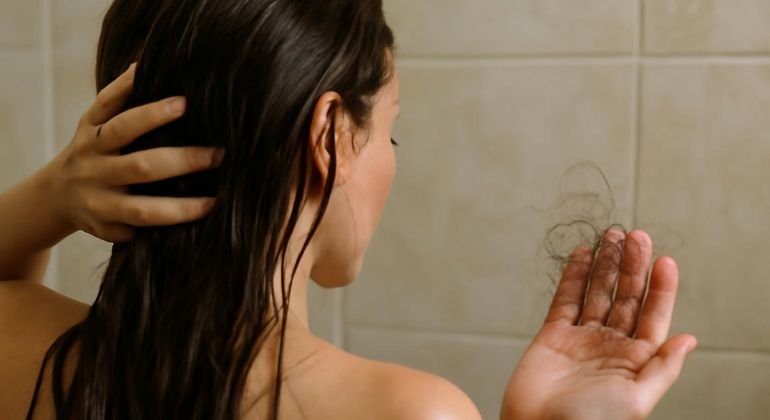
Hair loss becomes more concerning when the hair is not growing back normally or the overall density continues to decrease.
Look for changes such as:
- A wider part
- A thinner ponytail
- More scalp showing through the hair
- Receding hairline
- Bald patches
- Thinning around the temples
- Short, broken hairs around the hairline
If you notice these changes, the issue may be more than normal daily hair loss.
Why Are You Losing More Hair Than Usual?
There are many possible causes of hair loss. Some are temporary, while others can require medical treatment.
Stress and Illness
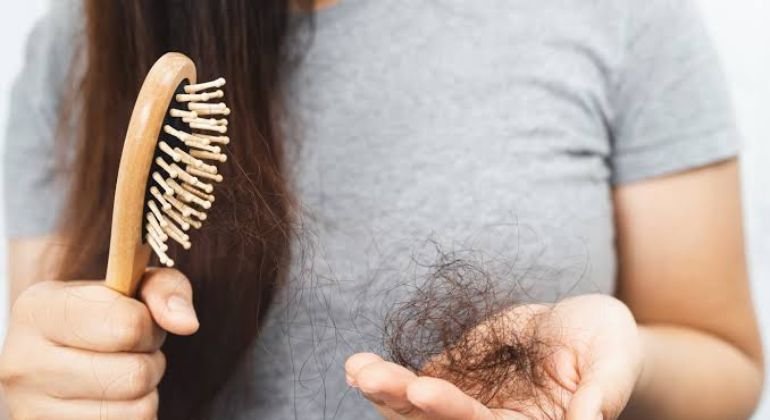
Physical or emotional stress can sometimes cause increased shedding.
This can happen after:
- A serious illness
- High fever
- Surgery
- Major weight loss
- Significant emotional stress
- Childbirth
One common condition associated with this type of shedding is telogen effluvium.
The interesting part is that increased shedding may not happen immediately. It can appear several weeks or even months after the triggering event.
The good news is that temporary shedding can improve once the underlying trigger is addressed.
Diet and Nutritional Deficiencies
Your hair needs adequate nutrients to grow normally.
Very restrictive diets, rapid weight loss, or nutritional deficiencies may contribute to increased shedding.
Iron deficiency, for example, can be associated with hair loss in some people. However, you should not automatically start taking supplements simply because your hair is shedding.
If you think your diet may be contributing to hair loss, a healthcare professional can determine whether testing is appropriate.
Hormonal Changes
Hormonal changes can also affect hair growth.
Pregnancy and the months following childbirth are common examples. Some women notice significant shedding after giving birth.
Hormonal conditions, including thyroid problems, may also affect hair growth.
If excessive shedding continues or happens together with other symptoms, consider discussing it with your doctor.
Genetics Can Cause Gradual Hair Thinning
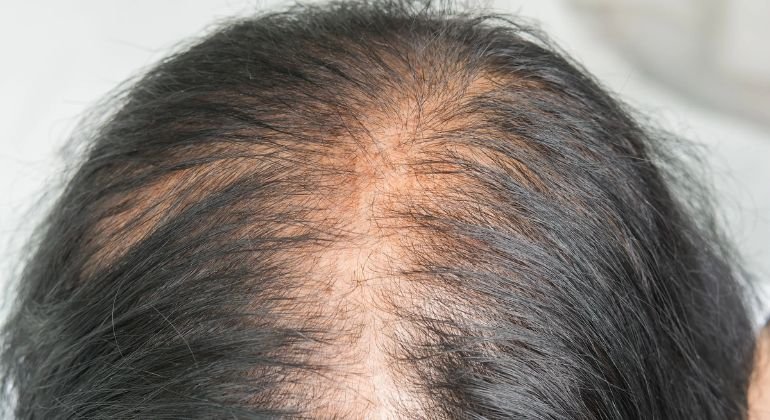
Not all hair loss is sudden.
Androgenetic alopecia, commonly called pattern hair loss, is one of the most common causes of gradual thinning in both men and women.
You may notice:
- A widening part
- Thinning at the crown
- A receding hairline
- A smaller ponytail
- Gradual loss of overall density
Unlike temporary shedding, pattern hair loss often continues without treatment.
Early evaluation can be useful because treatment options may work better when started earlier.
Can Hairstyles Cause Hair Loss?
Yes. Hairstyles that constantly pull on the hair can contribute to hair loss.
Tight ponytails, braids, extensions, or other styles that place repeated tension on the roots may cause traction alopecia.
Early signs can include:
- Soreness around the hairline
- Small bumps
- Broken hairs
- Thinning edges
- Receding hairline
The American Academy of Dermatology recommends avoiding hairstyles that constantly pull on the hair.
If you regularly wear extensions, choose lightweight options and avoid excessive tension.
When Is Hair Shedding Considered Excessive?
There is no universal number that automatically means your hair loss is abnormal.
Instead, look for persistent changes.
You should consider getting professional advice if you notice:
- Sudden or rapid hair loss
- Clearly visible bald patches
- Significant thinning
- A rapidly widening part
- Hair loss with scalp pain, itching, redness, or scaling
- Eyebrow or eyelash loss
- Hair loss that continues for months
- Hair loss accompanied by other unexplained symptoms
A dermatologist can examine your scalp and hair to help identify the cause.
What Can You Do About Excessive Hair Shedding?
Start by looking for recent changes in your health and routine.
Ask yourself:
- Have I recently been sick?
- Have I experienced significant stress?
- Have I lost weight quickly?
- Has my diet changed?
- Have I started a new medication?
- Have I changed my hairstyle?
- Have I recently given birth?
- Is my hair becoming visibly thinner?
These questions can help you identify possible triggers.
You can also protect your hair by using gentle hair-care habits:
- Avoid excessive heat.
- Do not repeatedly pull or tightly tie your hair.
- Detangle gently.
- Avoid aggressive brushing when hair is wet.
- Use a suitable conditioner.
- Give your scalp time to recover from tight hairstyles.
- Maintain a balanced diet with adequate protein and nutrients.
Remember that hair extensions do not treat hair loss. They can improve the appearance of hair, but they should be used carefully if your natural hair is already weak or thinning.
Can Hair Extensions Make Hair Loss Worse?
Hair extensions can be a useful way to add length and volume, but the installation method matters.
Extensions that are too heavy or installed with excessive tension can place stress on your natural hair.
If you already experience significant shedding, speak with a professional stylist before choosing extensions.
For healthier-looking results, focus on:
- Lightweight extensions
- Proper installation
- Correct maintenance
- Regular breaks when appropriate
- Avoiding excessive tension
For more information, explore Raw Hair Luxury’s hair extension collection and learn more about choosing the right type of human hair for your needs.
Frequently Asked Questions
Is losing 100 hairs a day normal?
For many people, losing around 50 to 100 hairs per day can fall within the normal range. However, individual shedding varies, so the overall change in hair density is more important than counting every strand.
Why do I lose more hair when I wash it?
Loose hairs can accumulate between washes. When you finally wash or brush your hair, many of those hairs come out at the same time. This can make shedding look worse than it actually is.
Does long hair make hair loss look worse?
Yes. Longer hairs are much more noticeable when they fall out. A single long strand can look like a lot of hair, even though it represents only one hair.
Should I worry about hair in my shower drain?
Not necessarily. Finding loose hair in your shower is normal. However, if the amount suddenly increases or you also notice visible thinning, it is worth paying attention.
Final Thoughts: How Much Hair Loss Is Normal?
So, how much hair loss is normal? For many people, approximately 50 to 100 hairs per day is considered normal shedding.
But there is no perfect number for everyone.
The bigger warning sign is a change from your usual pattern. If you suddenly shed much more hair, develop bald patches, or notice that your overall hair density is decreasing, do not ignore it.
Understanding the difference between normal shedding and progressive hair loss can help you take action at the right time.
If you are interested in adding length or volume while maintaining a natural look, explore Raw Hair Luxury or contact our team for help choosing the right human hair extension option for your needs.
Ready to find your perfect match? Contact us today for expert advice and exclusive discounts on premium human hair extensions.
📲Phone/WhatsApp: +1 (206) 698‑5133
🛜Instagram: RAW HAIR LUXURY COMPANY
🌐Tik Tok: RAW HAIR LUXURY
📧 Email: Rawhairluxury.us
🌐Website: rawhairluxury.com