
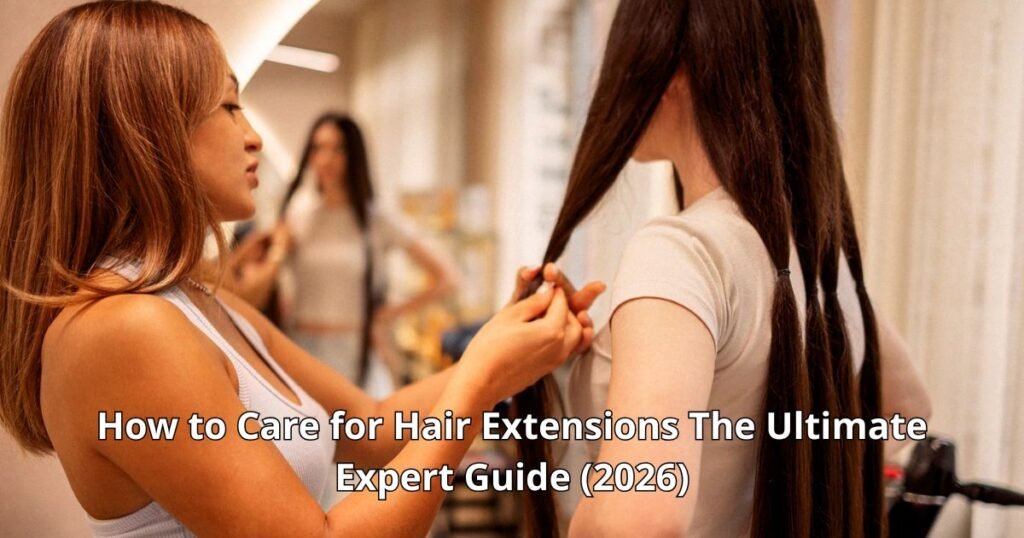
Investing in high quality hair extensions is not just a purchase; it is a commitment. Whether you have chosen luxurious Russian tape ins, a voluminous sew in weave, or versatile clip ins, the longevity of your new hair depends entirely on your aftercare routine. We see it too often in the salon: a client spends hundreds on premium hair, only to ruin it in weeks due to improper maintenance.
This is not just another generic list of tips. This is your comprehensive, elite level “bible” on how to care for hair extensions. Drawing from years of professional salon experience, we will guide you through the biology of extension maintenance, preventing the dreaded “matting,” and the specific products that will keep your hair looking salon-fresh for months.
The Golden Rule: Treat Them Better Than Your Own Hair
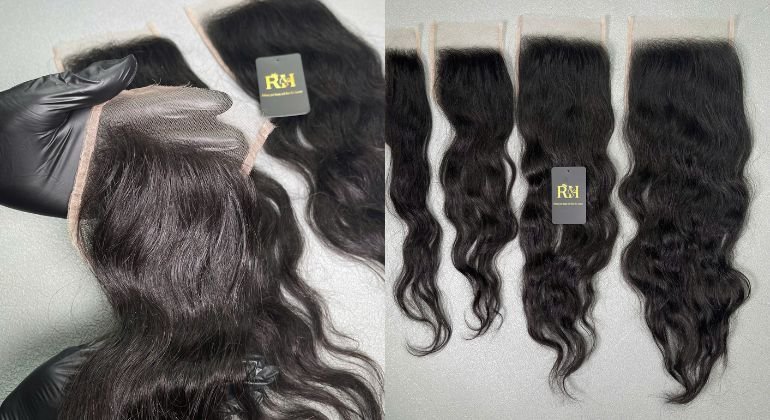
The fundamental difference between your natural hair and extensions is simple but critical: hair extensions do not have a constant supply of nutrients and oils from your scalp. Once the hair is cut from the donor, it is “dead” in the biological sense. It cannot repair itself. Every time you use heat, sleep on rough cotton, or use harsh chemicals, you are causing permanent damage that cannot be undone by your body’s natural regeneration.
To master how to care for hair extensions, you must adopt a mindset of preservation. Your goal is to mimic the natural hydration process that the hair no longer receives.
1. The Art of Washing: Cleanse Without Stripping
Washing is where most mistakes happen. Over-washing strips moisture, while under washing causes product buildup that weakens bonds.
Frequency Matters
For semi permanent methods (tape ins, keratin tips, sew ins), wash your hair 1 to 2 times a week max. If you have an oily scalp, use a high-quality dry shampoo in between washes, but keep it away from the bonds to prevent slipping. For clip-ins, wash them only after 15–20 wears or when they become unmanageable.
The Washing Technique
Never scrub your hair like you are washing a rug. Friction is the enemy.
- Brush First: Always detangle your hair completely before it gets wet. Wet hair is weak; wet extensions are fragile.
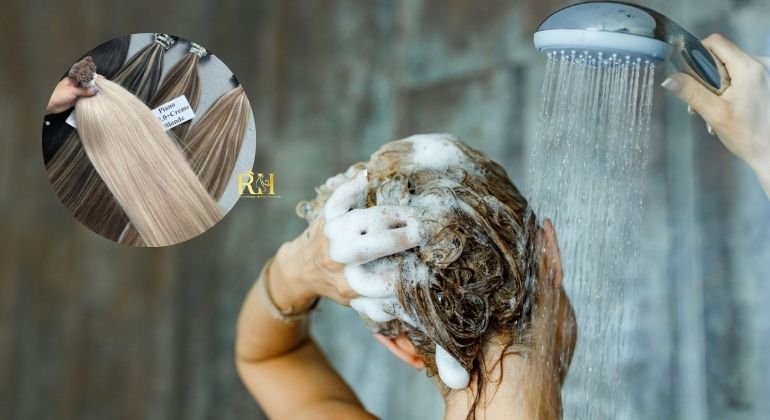
- Vertical Washing: Stand in the shower and let the water cascade down your back. Do not flip your hair upside down over a sink, as this causes severe tangling.
- Sulfate Free is Non-Negotiable: You must use a sulfate-free shampoo for extensions. Sulfates are harsh detergents that strip the silicone coating and natural color from extensions, leaving them dry and straw like.
- Target the Scalp: Massage the shampoo gently into your roots/scalp. Let the suds naturally run down the ends as you rinse. Do not rub the mid-lengths and ends vigorously.
Hydration is Key
Conditioner is your best friend, but it has boundaries. Apply a deep conditioner from the mid-shaft down to the ends. Never apply conditioner to the roots or bonds, as the oils will disintegrate the tape adhesive or keratin bonds, causing your extensions to slide out.
2. Brushing and Detangling: The Anti Matting Protocol
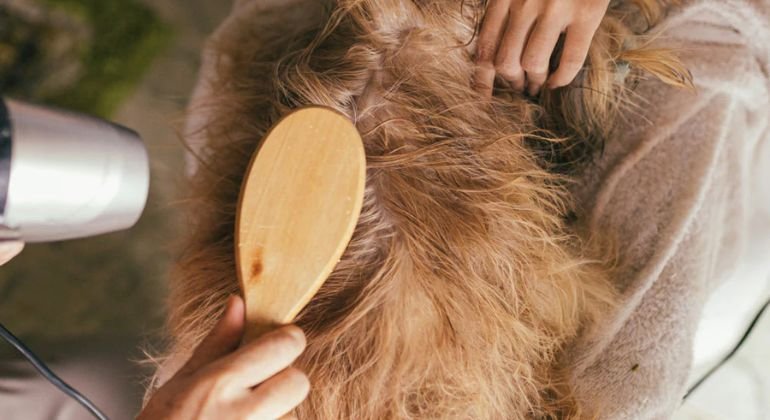
Matting is the nightmare scenario where extensions tangle so severely near the root that they must be cut out. This usually happens due to poor brushing habits. Learning how to care for hair extensions means learning how to brush correctly.
The Right Tool
Throw away your fine-tooth combs and hard plastic brushes. You need a Loop Brush or a soft-bristle Boar brush. These are designed to glide over bonds and wefts without snagging or pulling them out.
The Technique
- Bottom to Top: Hold the hair in a ponytail with one hand to support the roots (preventing tension on your natural hair). Start brushing the very ends. Once clear, move an inch up and brush down. Repeat until you reach the roots.
- The “Root Check”: Once a day, gently separate the bonds at your scalp with your fingers. This prevents them from locking together as your natural hair grows out.
3. Sleeping Secrets: Protecting Your Investment Overnight
You can ruin your extensions in your sleep. Friction against cotton sheets acts like sandpaper on hair cuticles, leading to frizz and dryness.
- Never Sleep with Wet Hair: This is the cardinal sin of hair extension care. Sleeping with wet hair guarantees matting and can even cause mold to grow in the wefts. Ensure your roots are 100% dry before your head hits the pillow.
- The Silk Solution: Switch to a silk pillowcase for hair. Silk allows the hair to glide rather than rub.
- Secure the Hair: Do not leave your hair loose. Braid it into a loose, low plait or tie it in a low ponytail with a silk scrunchie. This restricts movement and prevents tangles from forming while you toss and turn.
4. Heat Styling: Proceed with Caution
Extensions can be styled just like your natural hair, but they have a lower heat tolerance.
- Use Heat Protectant: Always apply an extension-safe heat protectant before using hot tools.
- Watch the Temperature: Keep your tools below 350°F (180°C). Excessive heat rapidly depletes the moisture in extensions, and since they cannot self-repair, that damage is permanent.
- Avoid the Bonds: Never apply direct heat (flat iron or blow dryer nozzle) to the tape tabs, keratin bonds, or weave tracks. The heat can melt the adhesive or warp the attachment points.
5. Lifestyle Factors: Swimming and Exercise
You don’t have to stop living your life, but you do need to adapt your routine.
Swimming Survival Guide
Chlorine and saltwater are extremely drying.
- The Pre Swim Soak: Wet your hair with fresh tap water before entering the pool or ocean. Hair is like a sponge; if it is already full of fresh water, it will absorb less chlorinated/salt water.
- Barrier Method: Apply a leave-in conditioner to coat the hair strands.
- Immediate Rinse: Wash your hair immediately after swimming to remove chemicals and salt.
Exercise and Sweat
Sweat contains salt and acids that can dry out hair and break down adhesives. If you work out frequently, wear a sweatband to absorb moisture at the hairline. After your workout, dry your roots with a cool blow dryer immediately to prevent the bonds from slipping.
6. Product Watch: Ingredients to Avoid
When learning how to care for hair extensions, knowing what not to use is just as important.
- Sulfates and Parabens: As mentioned, these strip moisture.
- Alcohol: Avoid products with high alcohol content (often found in cheap hairsprays), as they are incredibly drying.
- Proteins: Be careful with protein-rich shampoos (often labeled “repair” or “strengthen”). Too much protein can make extensions brittle and prone to snapping. Stick to “moisturizing” or “hydrating” formulas.
7. Maintenance Schedules
Even with perfect care, extensions need professional maintenance.
- Tape Ins: Move up every 6 – 8 weeks.
- Sew Ins: Tightening every 4 – 6 weeks; full reinstall every 8 -10 weeks.
- Keratin/Fusion: Removal and replacement every 3 – 4 months (no maintenance in between).
Ignoring these timelines can cause traction alopecia (hair loss due to tension) as the heavy extensions hang lower on your growing, fragile hair strands.
Conclusion
Mastering how to care for hair extensions is the secret to keeping that “just stepped out of the salon” look for months. It requires a shift in your routine washing less, hydrating more, and protecting your hair from friction and heat. By following these elite level tips, you protect your investment and ensure your hair remains soft, shiny, and enviable.
Remember: Your extensions are a luxury accessory. Treat them with the same care you would a designer handbag or fine jewelry, and they will reward you with flawless volume and length.
🔥Remember to visit our social media pages Hair Luxury now so you don’t miss out on the day’s deals!!!🔥
📲Phone/WhatsApp: +1 (206) 698‑5133
🛜Instagram: RAW HAIR LUXURY COMPANY
🌐Tik Tok: RAW HAIR LUXURY
📧 Email: Rawhairluxury.us
🌐Website: rawhairluxury.com

3 Replies to “How to Care for Hair Extensions: The Ultimate Expert Guide (2026)”
How to Care for Pink Hair
[…] For more detailed maintenance, read the Raw Hair Luxury hair extension care guide. […]
Best Wholesale Hair Extensions for Licensed Hairstylists
[…] Lighter, denser raw wefts let you use fewer tracks for the same fullness. Send clients home with our extension care guide so the hair lasts to the next […]
How to Build Clientele as a New Hair Stylist
[…] Finish with written aftercare. Clients who know how to wash, sleep, and style between visits get better results, and better results bring them back. Send extension clients home with our hair extension care guide. […]