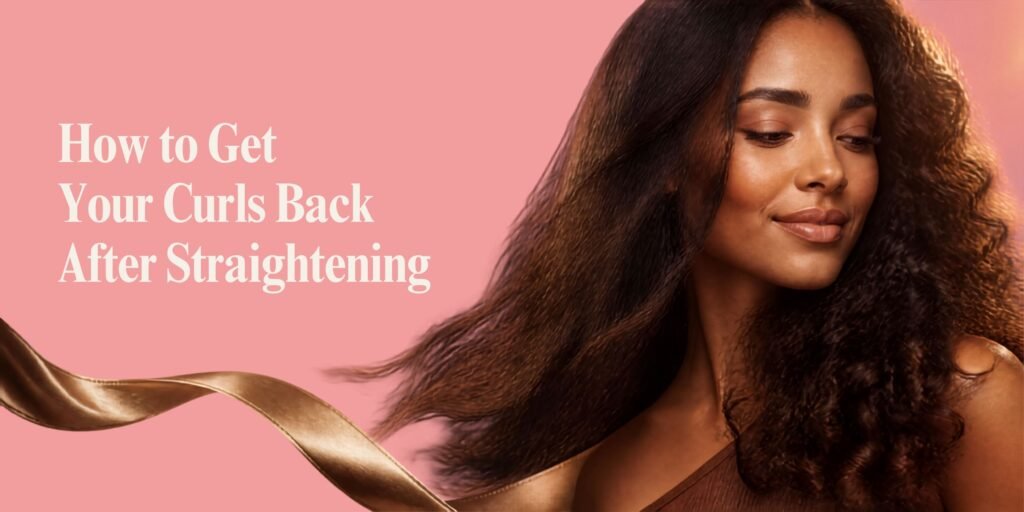
The important thing to understand is that not every straightened curl is permanently damaged. Hair can temporarily lose definition because of heat, stretching, product buildup, or dryness. However, repeated or excessive heat can cause structural damage that cannot be completely reversed.
Here is a practical routine for how to get your curls back after straightening.
Can Your Curls Come Back After Straightening?
Yes, they can, but the answer depends on what happened to the hair.
If your hair was simply stretched temporarily, your original curl pattern may return after washing and proper conditioning. If the hair has suffered significant heat damage, some sections may remain permanently looser or straight.
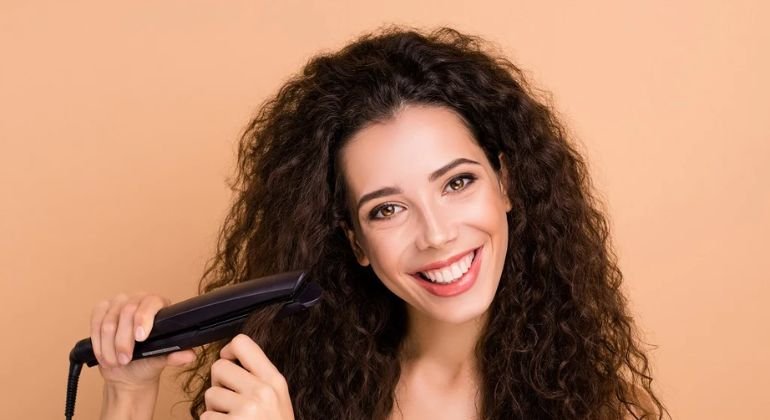
Heat can affect the internal protein structure of the hair fiber. This is why severely damaged areas may not return to their original curl pattern even after intensive conditioning.
A useful way to assess your hair is to compare different sections.
If your roots still curl normally while the mid-lengths and ends remain straight, those areas may have experienced more heat exposure. If your entire head temporarily looks less defined but gradually curls again after washing and conditioning, the issue may be dryness, buildup, or temporary stretching rather than permanent damage.
1. Stop Straightening Your Hair for a While
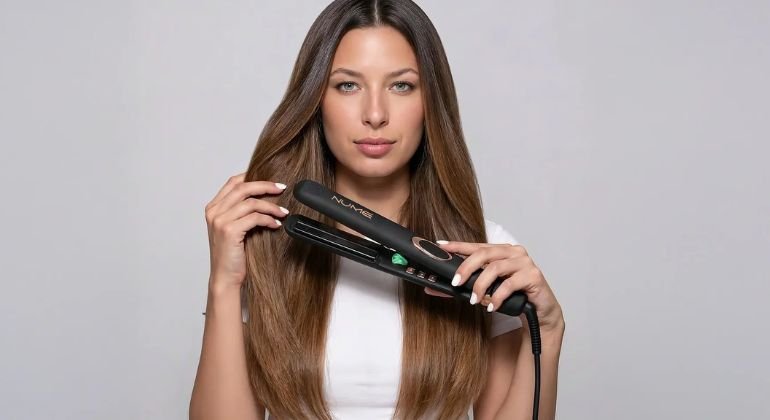
The first step in curl recovery is simple: stop adding more heat.
Put your flat iron, hot brush, and high-heat blow dryer aside while you assess your hair. Repeated heat exposure can compound existing damage, making it harder for weakened strands to retain their natural shape.
You do not necessarily have to avoid every form of heat forever. The goal is to give your hair a break and change how you use heat in the future.
If you eventually use a diffuser, use a lower temperature and avoid holding concentrated heat against one section for too long.
2. Clarify Your Hair Before Starting an Intensive Routine
Sometimes curls look lifeless because of product buildup, not permanent damage.
Heavy creams, oils, gels, silicones, dry shampoo, and styling products can accumulate on the hair. This buildup can prevent water from distributing evenly and can make curls look flat or greasy.
If you regularly use several styling products, an occasional clarifying wash can help remove buildup.
However, do not clarify repeatedly just because your curls are not immediately defined. Over-cleansing can leave already-dry hair feeling rough.
After clarifying, follow with a moisturizing conditioner or deep treatment.
Think of this as resetting the canvas before beginning your healthy curly hair routine.
3. Focus on Deep Conditioning for Curly Hair
Straightening can leave curly hair feeling dry, particularly when high temperatures are used repeatedly.
This is where deep conditioning for curly hair becomes useful.
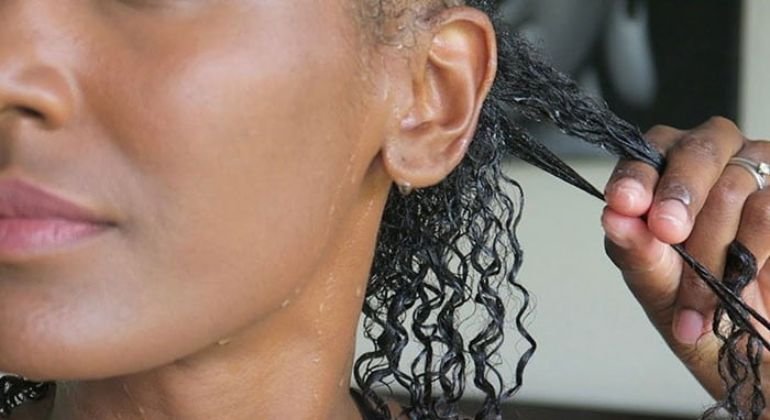
After cleansing, apply a rich conditioner or deep-conditioning treatment, concentrating especially on the lengths and ends. Allow the product to sit according to its instructions, then rinse thoroughly.
A consistent conditioning routine can improve softness, manageability, and elasticity.
Do not expect one deep-conditioning session to repair months of damage. Hair recovery is usually a process rather than a single treatment.
4. Balance Moisture With Protein
One of the biggest mistakes people make when trying to restore curls is assuming that more moisture is always better.
Your hair also needs strength.
A protein treatment for curly hair can be useful when strands feel weak, overly stretchy, or difficult to style after heat exposure. Products may contain hydrolyzed proteins or amino acids designed to temporarily reinforce weakened areas of the hair fiber.
However, protein should not automatically be used every wash.
If your hair becomes unusually stiff, rough, or brittle after protein treatments, reduce their frequency and focus on conditioning.
The goal is balance:
Moisture helps improve softness and flexibility. Protein treatments can help support strength and structure.
Your hair’s response should determine how often you use each type of treatment.
5. Encourage Your Curl Pattern With the Right Styling Technique
Once your hair is clean and conditioned, styling technique becomes important.
Apply your leave-in conditioner and curl-defining product while your hair is very damp. Divide the hair into sections and work the product through evenly.
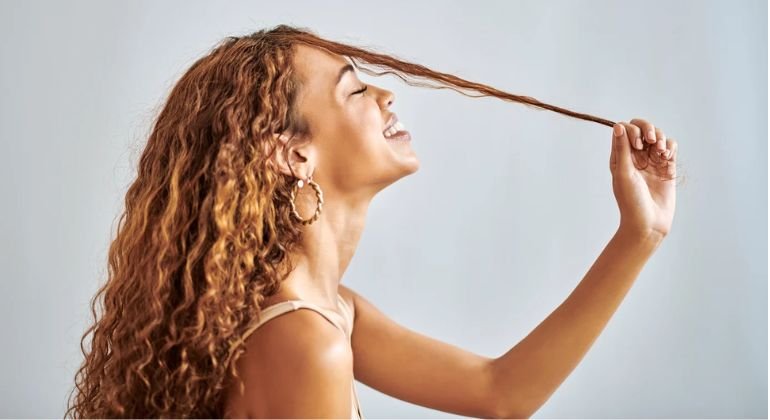
Do not repeatedly manipulate the hair while it dries.
The less you disturb the curl formation, the more definition you are likely to retain.
A microfiber towel or soft cotton T-shirt can also be preferable to rough towel drying because it reduces unnecessary friction.
6. Use a Diffuser Carefully If You Need Faster Drying
Air-drying is the simplest option during curly hair recovery, but you can use a diffuser when you need to speed things up.
A diffuser distributes airflow over a larger area instead of concentrating the air in one small section.
Raw Hair Luxury’s guide to blow-drying curly hair also recommends using a diffuser as part of the drying process. How To Blow Dry Curly Hair
If your hair is already showing signs of heat damage, air-drying is the safer default.
7. Trim Ends That Are Permanently Damaged
Conditioners and treatments can improve the appearance and feel of damaged hair, but they cannot restore a split or severely altered strand to its original biological condition.
If certain ends remain permanently straight, thin, frayed, or visibly damaged, trimming may be the most effective solution.
You do not necessarily need a dramatic haircut. Ask a stylist to assess the damaged sections and remove only what needs to go.
Over time, healthier new growth will become a larger percentage of your overall hair.
This is particularly important when the damage is concentrated at the ends, where hair has experienced the greatest cumulative exposure to heat, friction, and environmental stress.
8. Protect Your Curls Between Wash Days
Once your curls begin returning, protect them from unnecessary manipulation.
At night, consider using a satin bonnet, scarf, or satin pillowcase. You can also loosely gather longer curls at the top of your head to reduce compression while sleeping.
During the day, avoid constantly brushing or reshaping dry curls.
If you need to refresh your hairstyle, lightly mist the hair with water or use a small amount of leave-in product, then gently scrunch.
Low-manipulation styles such as loose twists or braids can also help reduce daily handling while your hair grows out.
How Long Does It Take to Get Your Curls Back?
There is no universal recovery timeline.
If your curl pattern was only temporarily stretched, you may notice improvement after the next wash or several wash days.
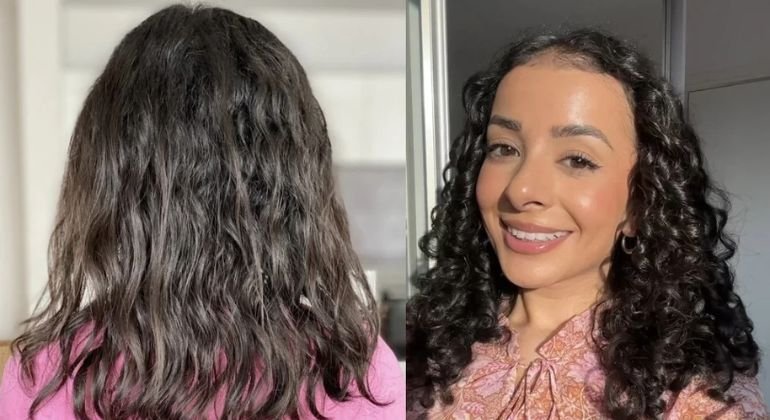
If you have genuine heat damage, the situation is different. Damaged sections may improve in appearance and manageability, but severely altered hair may not return completely to its original texture.
That distinction matters because curl recovery is not always about repairing every existing strand.
Sometimes the most realistic strategy is to protect the healthy hair, gradually trim damaged ends, and allow new growth to replace the affected length.
Give Your Curls Time to Respond
Learning how to get your curls back after straightening starts with understanding what your hair actually needs.
Stop repeated heat exposure. Clean away buildup when necessary. Prioritize conditioning, balance moisture with strengthening treatments, use gentle curl-defining techniques, protect your hair while sleeping, and trim sections that are too damaged to recover.
Most importantly, do not judge your results after one wash.
Your goal is not to force every strand into a curl immediately. It is to create conditions that allow your healthiest hair to look and behave as well as possible while damaged sections gradually grow out.
If you want to experiment with different curly looks without repeatedly applying heat to your natural hair, explore Raw Hair Luxury’s guides to curly clip-in extension hairstyles and the ultimate guide to curly hair extensions.
Ready to refresh your look while protecting your natural curls? Explore Raw Hair Luxury or contact our team for help choosing a style that fits your hair goals.
📲Phone/WhatsApp: +1 (206) 698‑5133
🛜Instagram: RAW HAIR LUXURY COMPANY
🌐Tik Tok: RAW HAIR LUXURY
📧 Email: Rawhairluxury.us
🌐Website: rawhairluxury.com