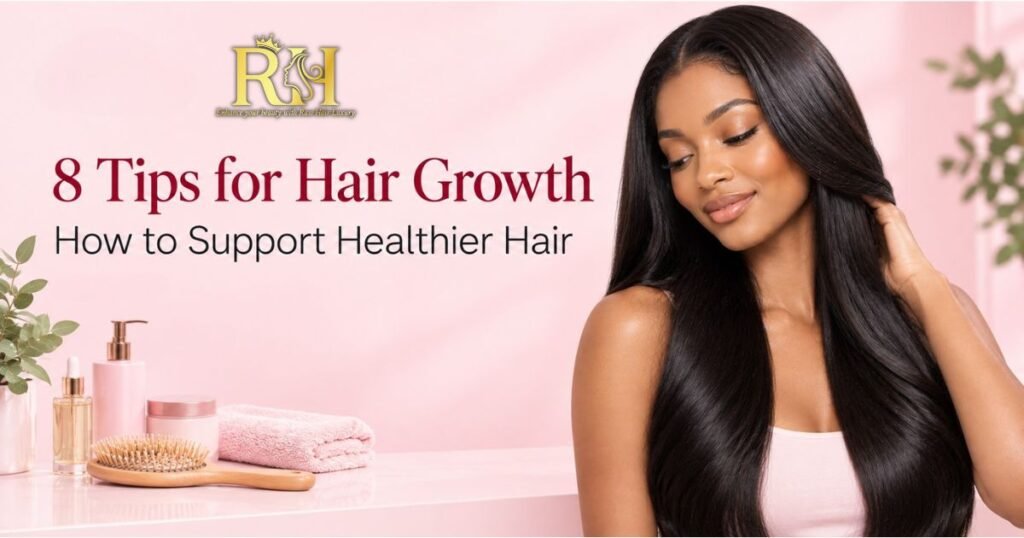
Healthy, strong hair starts with consistent care, proper nutrition, and habits that protect each strand from damage. Although genetics and overall health influence how quickly hair grows, the right routine can help reduce breakage and preserve length.
Whether you wear your natural hair or use extensions, understanding how to care for your scalp and hair fibers can help you maintain a healthier appearance. Here are eight practical tips for hair growth backed by dermatology guidance.
1. Keep Your Scalp Clean and Healthy
A healthy scalp is an essential part of a good hair care routine. Oil, sweat, dead skin cells, and styling products can accumulate over time, so regular cleansing helps keep the scalp clean.
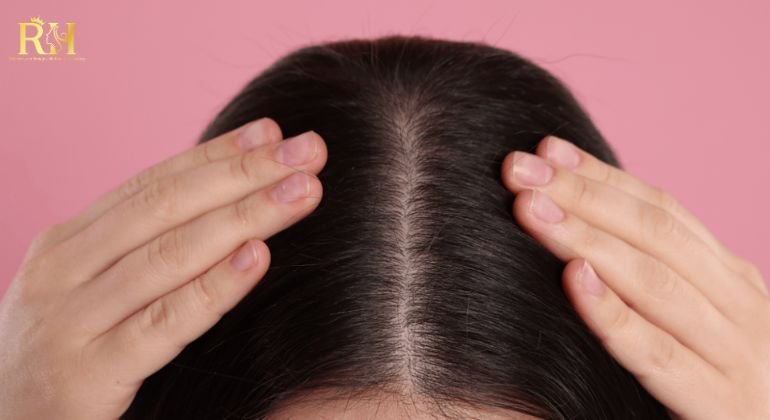
Choose a shampoo suited to your scalp type. Apply it mainly to the scalp, massage gently with your fingertips, and rinse thoroughly. Avoid scratching aggressively, as this can irritate the skin.
According to the American Academy of Dermatology (AAD), washing frequency and product selection should depend on your hair type and how oily or dirty your scalp becomes.
2. Eat a Balanced Diet for Hair Growth
Hair needs adequate nutrients to grow normally. Protein, iron, zinc, and other essential nutrients support healthy hair, while nutritional deficiencies may contribute to excessive shedding.
Include eggs, fish, beans, lean meat, nuts, vegetables, and whole grains in your meals. A balanced diet is generally a better starting point than purchasing multiple hair growth supplements.

The AAD warns that excessive amounts of certain nutrients, including vitamin A, vitamin E, and selenium, can contribute to hair loss. If you experience unusual shedding, consult a healthcare professional before taking supplements.
Read the AAD’s hair loss management recommendations for further guidance.
3. Reduce Heat Styling and Hair Breakage
Frequent heat styling can weaken hair fibers, leaving them dry, brittle, and more vulnerable to breakage. Flat irons, curling wands, and blow dryers can all contribute to damage when used excessively.
To protect your hair, use lower heat settings, apply a suitable heat protectant, and allow your hair to air-dry when practical. Avoid repeatedly passing hot tools over the same section.
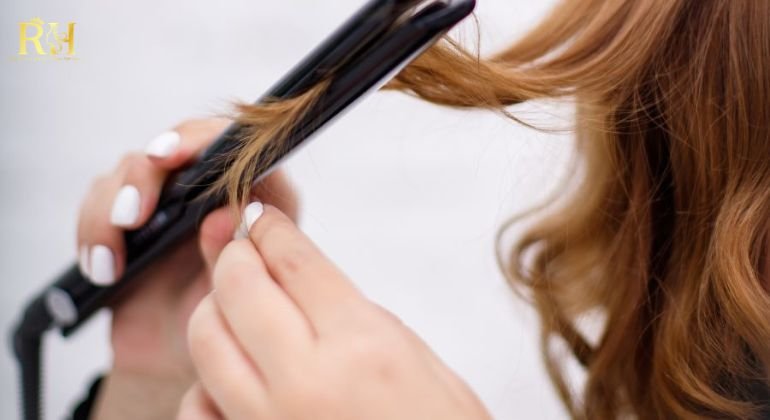
The AAD recommends limiting heat styling and handling hair gently to reduce damage. You can find additional advice in its guide to styling hair without damage.
Reducing breakage helps retain length, even though it does not necessarily make hair grow faster from the roots.
4. Choose Gentle Products and Detangle Carefully
The products you use can influence how manageable your hair feels. Shampoo removes dirt and excess oil, while conditioner helps smooth the hair surface and reduce friction during detangling.
Use a wide-tooth comb and begin detangling from the ends, gradually working toward the roots. Avoid pulling through stubborn knots, especially when your hair is wet and fragile.
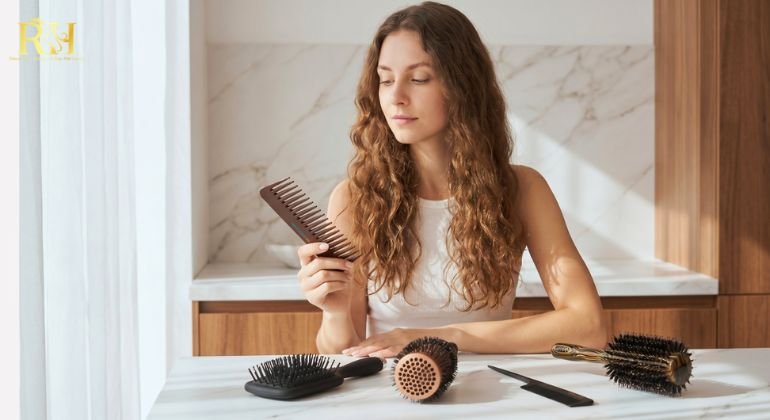
For dry hair, a suitable leave-in conditioner may improve softness and manageability. If your ends are split or severely damaged, trimming them can improve the appearance of your hair, although it will not accelerate growth at the scalp.
Consistency matters more than using a large number of products. Choose a routine that meets your hair’s needs and is easy to maintain.
5. Protect Hair From Tension and Breakage
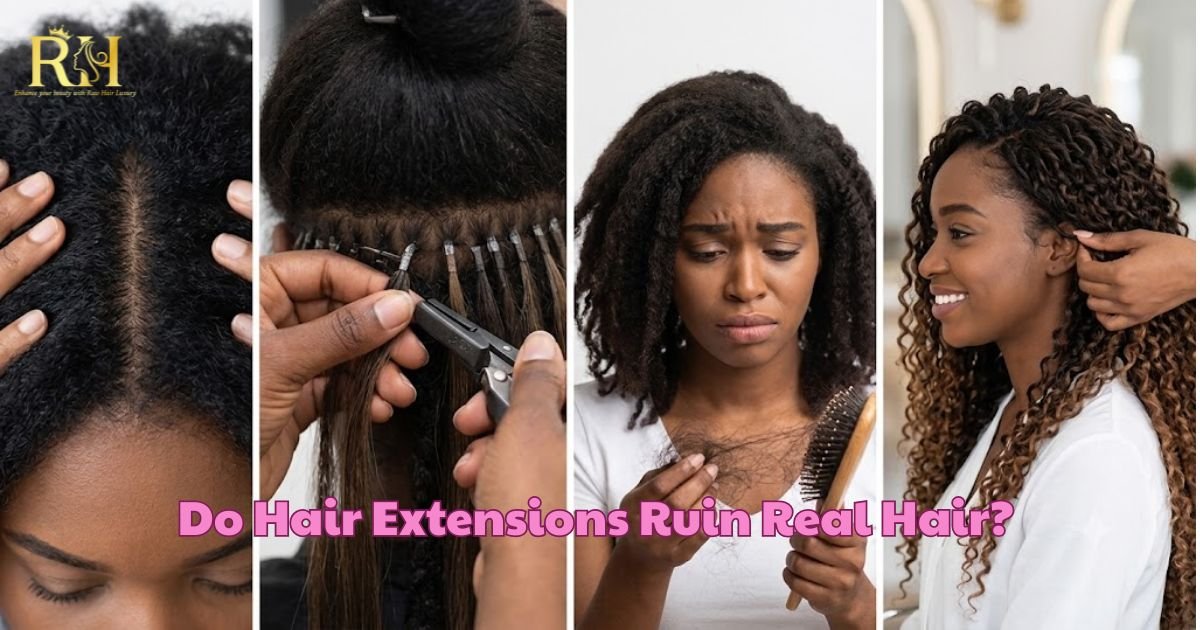
Tight ponytails, braids, and extensions can place repeated tension on the hair roots. Over time, this tension may contribute to traction alopecia, a type of hair loss associated with pulling on the hair.
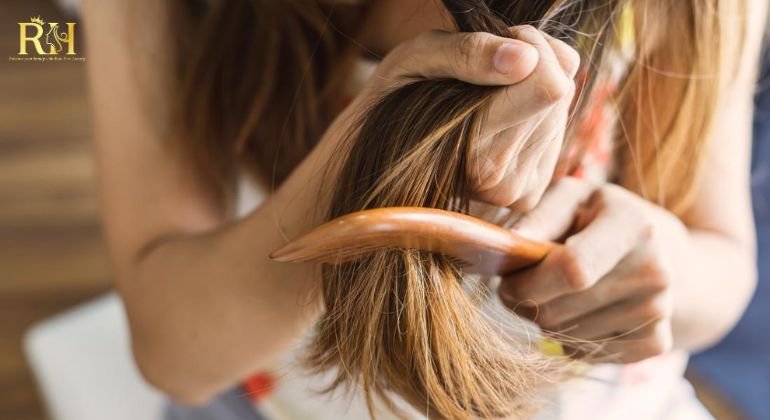
Choose comfortable hairstyles that do not pull tightly at the hairline. Alternate styles when possible and pay attention to pain, irritation, or persistent tenderness.
The NHS hair loss guide explains that hair loss can have several causes, including nutritional deficiencies, illness, and hereditary factors. If you notice sudden shedding or visible thinning, seek medical advice rather than relying solely on cosmetic products.
6. Protect Your Hair While Sleeping
Nighttime friction can contribute to tangling and breakage, especially if your hair is long, dry, or chemically treated.
Consider using a satin or silk pillowcase or wrapping your hair in a suitable satin covering. If your hair tangles easily, loosely securing it before bed may help prevent knots.
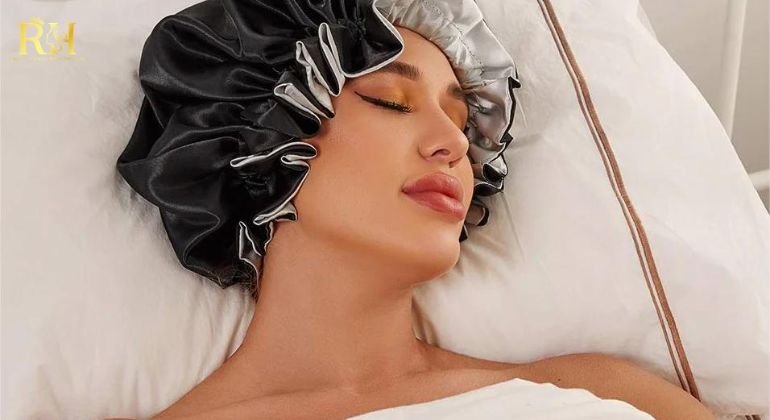
Avoid sleeping with tightly secured hairstyles that place tension on your roots. For extensions, follow the care instructions specific to the installation method.
These small habits can help maintain smoothness and reduce unnecessary handling during your daily routine.
7. Choose Quality Hair Extensions and Maintain Them Properly
Hair extensions can add length and volume while you work toward your desired natural hairstyle. However, extensions should be selected and installed carefully to avoid placing excessive weight or tension on your natural hair.
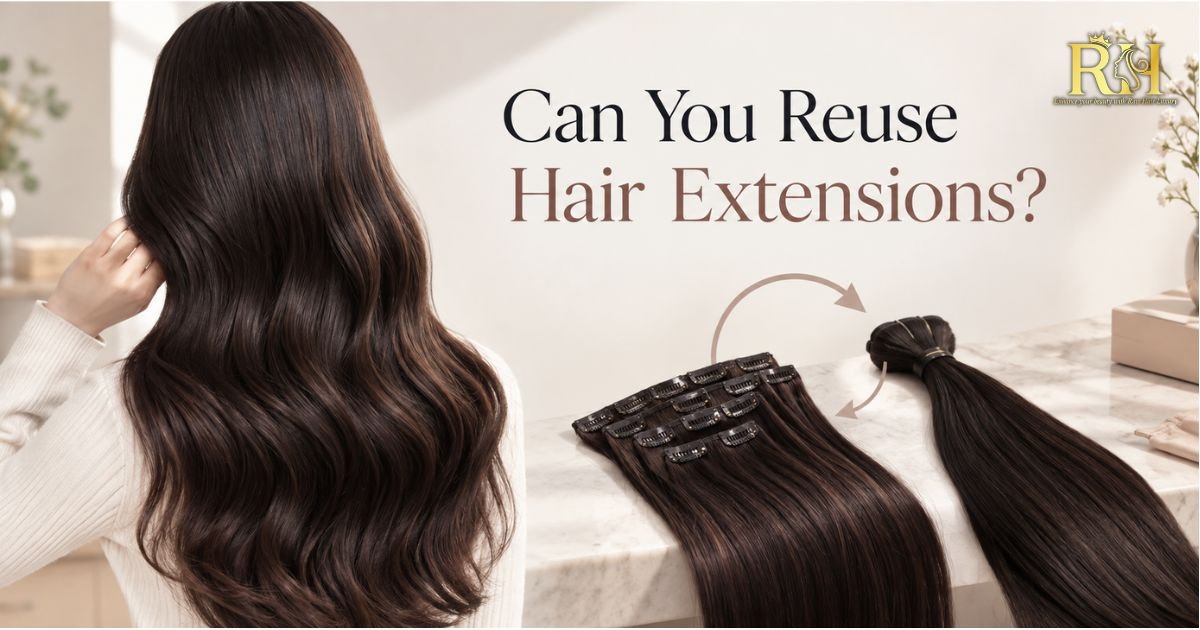
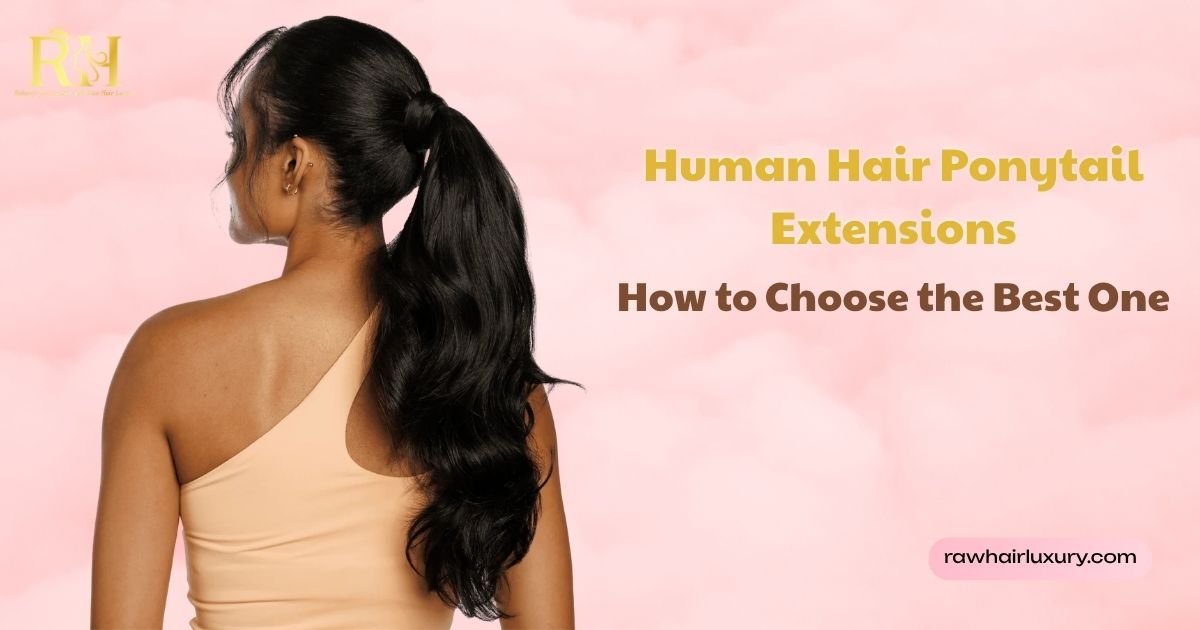
Raw Hair Luxury offers Vietnamese human hair products, including raw hair bundles, clip-in hair extensions, and human hair wigs.
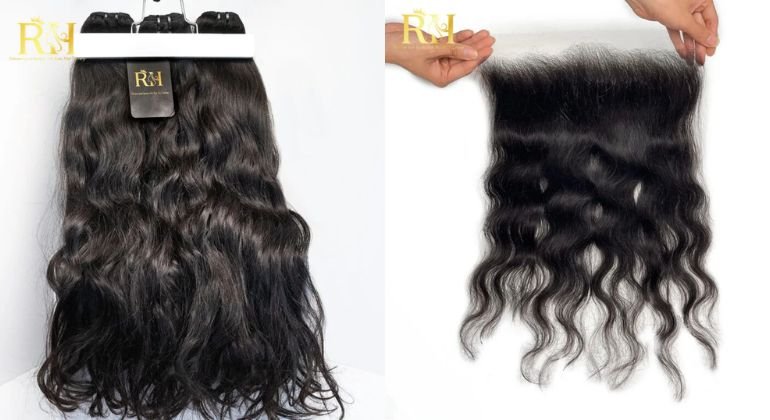
These options serve different styling needs. Clip-ins can be removed when not in use, while wigs provide an alternative styling option without requiring permanent changes to your natural hairstyle. Regardless of the product, correct fit, gentle handling, and appropriate maintenance remain important.
Raw Hair Luxury’s product range focuses on Vietnamese human hair in straight and wavy textures. Choosing an extension that suits your lifestyle and following professional installation advice can help you achieve your desired look while prioritizing hair care.
8. Be Patient and Track Your Hair’s Progress
Hair growth takes time, and results vary from person to person. The NHS notes that losing approximately 50 -100 hairs per day can be normal, although noticeable changes in shedding should not be ignored.
Rather than expecting overnight results, monitor your hair’s condition over several months. Look for reduced breakage, improved manageability, and healthier-looking ends.
If you experience persistent scalp irritation, bald patches, or sudden or excessive hair loss, consult a dermatologist or healthcare professional to identify the underlying cause.
Final Thoughts
Supporting healthier hair growth requires more than one product or treatment. A balanced diet, regular scalp cleansing, gentle detangling, reduced heat exposure, and low-tension hairstyles can all help protect your hair.
For those who want additional length or volume, choosing suitable extensions and maintaining them properly can complement a healthy hair care routine. Start with simple habits, stay consistent, and give your hair time to respond.
📲Phone/WhatsApp: +1 (206) 698‑5133
🛜Instagram: RAW HAIR LUXURY COMPANY
🌐Tik Tok: RAW HAIR LUXURY
📧 Email: Rawhairluxury.us
🌐Website: rawhairluxury.com