
Most aftercare guides start at the client’s sink. This checklist starts the day a shipment lands at your salon and cites the dermatology research behind each rule, so you can explain the “why” to clients who push back.
Here are the Vietnamese Hair Extensions Lifespan that you wondering.
How Long Do Vietnamese Hair Extensions Last by Hair Grade?
Grade sets the ceiling. Raw Vietnamese hair keeps its full cuticle, with every strand running root to tip in one direction, and skips chemical processing, so it handles repeated washing, heat, and reinstalls. Each processing step below raw removes some of that tolerance. A “Vietnamese” label on non-Remy hair still gives you non-Remy lifespan, so judge grade before origin. Our guide to raw hair covers the difference in detail.
| Grade | What was done to it | What fails first | Reinstall potential |
| Raw | Cut, cleaned, and wefted; no chemical processing; cuticle intact and aligned | Ends dry out after long-term heat styling | High: several installs with care |
| Virgin | Never colored or permed, though some is steam-processed to create a wave pattern | Steamed waves can relax over time | Good |
| Remy | Cuticle aligned, but often colored or permed | Dryness and color fade | Moderate |
| Non-Remy | Cuticle stripped in an acid bath, then coated with silicone to feel smooth | Matting once the coating washes out | Low: often one install |
Step 1: Check for Cuticle Aligned Hair Before Any Install
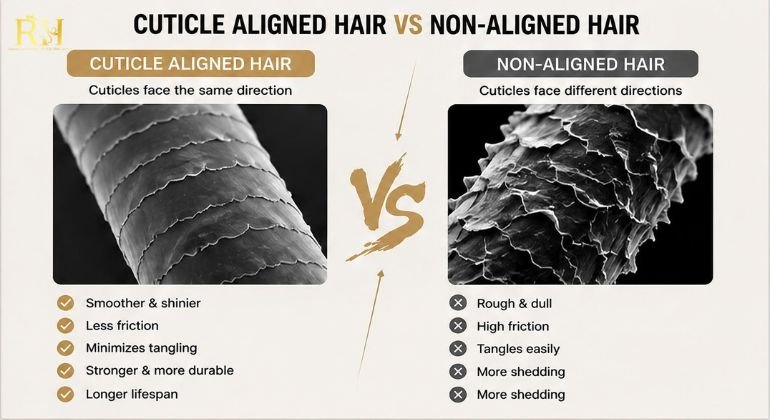
An intake check catches bad hair before it reaches a client and gives you evidence if you need to dispute a batch. Run these tests on every new order:
- Cuticle test. Slide your fingers from the weft toward the ends, then back up. Aligned cuticles feel smooth going down and catch a little going up. Hair that feels slick both ways may carry a silicone coating.
- Wash test. Wash one weft with a clarifying shampoo and let it dry without product. Coated hair turns frizzy or straw-like once the silicone rinses off. Raw hair looks the same as before.
- Shed test. Comb along the weft. A few short hairs are normal; a clump points to weak stitching.
- Fullness check. Compare thickness at the weft with thickness at the ends. Thin ends wear out first.
See our key features of high-quality hair extensions for what to look for in wefts, tips, and tapes, and our stylist tool list for the rest of your intake kit.
Step 2: Set a Hair Extension Move-Up Schedule by Method
As natural hair grows, the attachment sits lower, the bond carries weight on a longer lever, and the loose hair behind it starts to mat. The windows below reflect common salon practice; your adhesive or bond maker’s instructions take priority.
| Method | Common move-up or removal window | Warning signs |
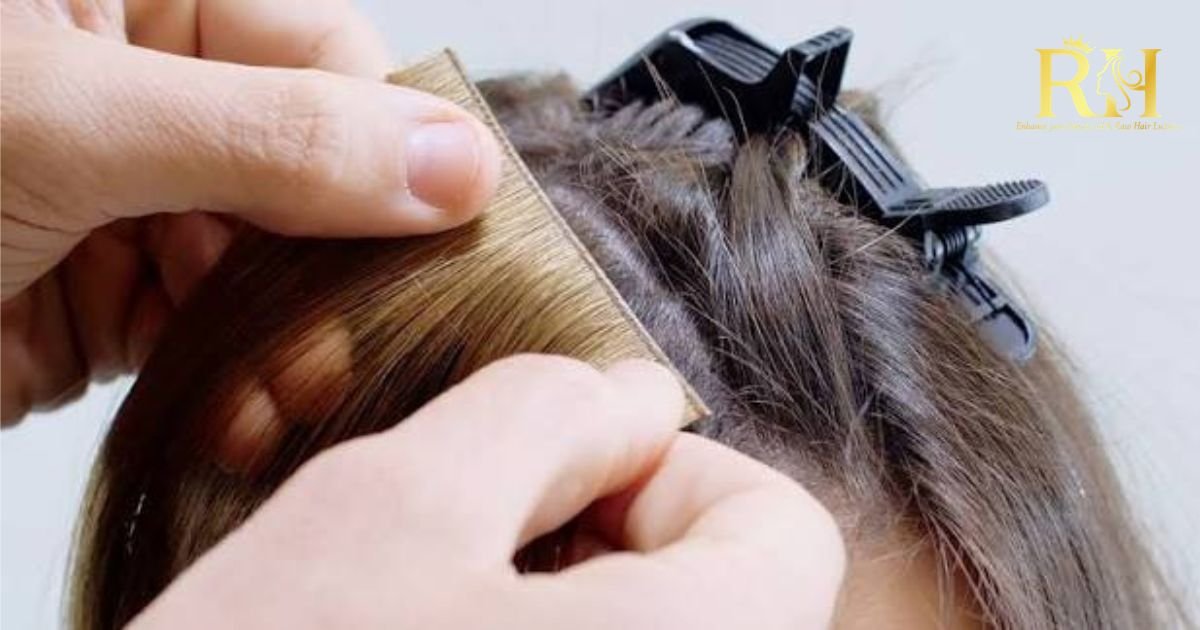
| Tape-in | 6 to 8 weeks, with new tape at each move-up | Tabs slipping, sticky residue |
| Keratin tip (K-tip) | Removal around 3 to 4 months, then new bonds | Matting at the bond base |
| Hand-tied or machine weft | 6 to 8 weeks | Row sliding down, pulling along the track |
| I-tip or microbead | 6 to 8 weeks | Beads slipping, kinks at the bead |
The American Academy of Dermatology (AAD) advises clients to wear extensions for two or three months at most before giving their own hair a break, so book a mid-point check for longer methods. For method details, see our guides to tape-in lifespan, weft lifespan, and K-tip extensions.
Traction Alopecia Prevention: Protect the Anchor
Your client’s natural hair holds every extension in place. If it breaks, the install fails whatever grade you used. A case report in the Journal of the American Academy of Dermatology described weft extensions causing a horseshoe-shaped pattern of traction hair loss. The AAD lists pain, stinging, crusts, and “tenting” as warning signs of hairstyles that pull. Loosen any attachment that causes a headache, match extension weight to the client’s density, and keep heavy attachments off the hairline.
Step 3: Teach Salon Hair Extension Aftercare for Clients
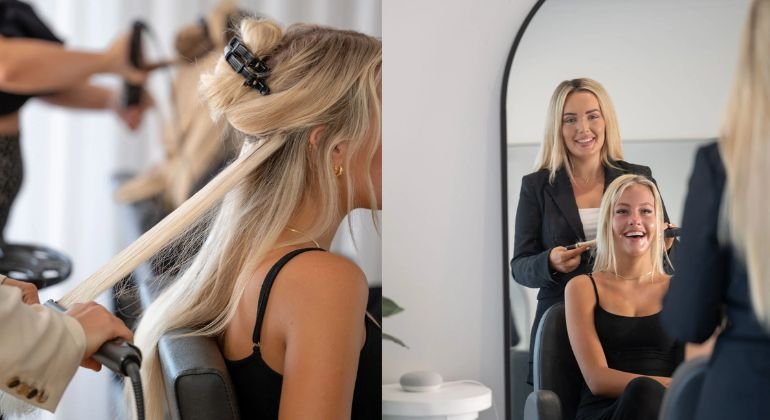
Give clients a written routine, walk through it at the chair, and stock the products it names.
Washing Hair Extensions Without Stripping Them
Match wash frequency to the client’s scalp, as the AAD recommends, and use dry shampoo at the roots to stretch the gap. A review in the International Journal of Trichology explains that alkaline shampoos and strong sulfate cleansers raise the negative charge on the hair surface, which increases frizz and friction. Conditioners with ingredients that carry a positive charge cancel it out. Extension hair gets no oil from a follicle, so that friction turns into tangles. Clients should wash with the hair hanging down and keep conditioner and oils on the mid-lengths and ends, away from tape and keratin bonds. Our guide to hair care products for extensions lists ingredients to look for.
Drying: Shorter Wet Time Beats Air-Drying
Many aftercare cards say to air-dry. In a 2011 Annals of Dermatology study, researchers put hair through 30 wash-and-dry cycles. Air-dried hair showed damage to the cell membrane complex, the layer that binds hair cells together, which the authors linked to long water exposure. A dryer held 15 cm (about 6 inches) away and kept moving caused less damage. Tell clients to blot with a microfiber towel, dry the roots and attachments first on low heat, and never sleep on damp extensions.
Heat Protectant for Hair Extensions and Styling
Cut hair has no living follicle, so conditioning can smooth the cuticle but cannot rebuild it. Heat damage adds up. The Trichology review notes that dimethicone, the most common silicone in heat protectants, coats the hair and reduces friction. The AAD advises using irons once a week or less. Find the lowest temperature that holds a curl on a spare weft and give the client that number.
Sleep, Swim, and Workout Rules
- Sleep: dry hair, a loose braid with a covered elastic, and a silk or satin pillowcase.
- Swim: Cleveland Clinic dermatologist Taylor Bullock, MD, recommends wetting hair with fresh water, applying a leave-in conditioner, and wearing a fitted cap, then rinsing right after. Add a braid under the cap.
- Workouts: rinse or dry the attachment area after heavy sweating.
Step 4: Reusing Hair Extensions Between Installs
Reinstalls are where raw Vietnamese hair extensions earn back their price. At removal, detangle from the ends up, wash, deep condition, and dry the set all the way. Store it flat in a breathable bag away from sunlight. Before the next install, trim the ends and replace tape or bonds. Keep unopened inventory sealed, cool, and dry, and sell the oldest stock first.
Track cost per install: divide what you paid for a set by the number of installs it survives. With example numbers, a $400 set that lasts three installs costs about $133 per install, while a $150 set that lasts one costs $150, making the cheaper set the more expensive one per client.
Longer Lifespan Starts With the Hair You Buy
Three decisions set the lifespan of every set you install: the grade you buy, the schedule you book, and the routine you teach. Aftercare protects good hair, but it cannot restore a cuticle that was stripped before the hair reached you.
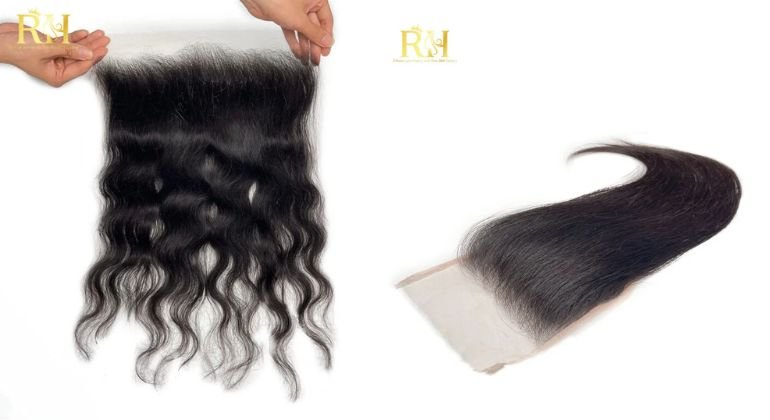
Test it yourself. Request a raw Vietnamese hair sample and our wholesale price list, then run the cuticle and wash tests from Step 1 before you commit to an order.
Request a sample and wholesale pricing from Raw Hair Luxury
📲Phone/WhatsApp: +1 (206) 698‑5133
🛜Instagram: RAW HAIR LUXURY COMPANY
🌐Tik Tok: RAW HAIR LUXURY
📧 Email: Rawhairluxury.us
🌐Website: rawhairluxury.com