

To import hair from Vietnam in 2026, verify the factory’s business registration, pay for a sample, lock every spec into a proforma invoice, pay with a method you can dispute, and approve a QC video before the hair ships. US buyers pay a 0% base duty on most human hair extensions, plus a 12.5% Section 301 tariff on Vietnamese goods that took effect on July 24, 2026.
First-time importers lose money in four places: mislabeled hair grades, payments they cannot reverse, customs rules that changed in 2026, and landed-cost math they skipped. Each step below closes one of those gaps. We wrote it for US salon owners, extension brand founders and resellers placing a first order with a human hair factory in Vietnam.
Raw vs Virgin vs Remy Hair: Know the Grade Before You Contact a Vietnamese Hair Factory
Grade sets price and lifespan more than country of origin does. Vietnamese factories sell the same grades you find everywhere else, so learn the terms before you read a price list. Treat a supplier who calls every bundle “raw” as a red flag.
| Grade | What it means | Question to ask the factory |
| Raw | Cut from one or a few donors, no steam or chemical texturing, cuticles intact and aligned | “Can you show me the ponytail before wefting?” |
| Virgin | Never colored or treated with chemicals, but may be steamed to set a wave pattern | “Is this texture natural or steamed?” |
| Remy | Cuticles kept and aligned root to tip; may be colored or processed | “Is it acid-washed or silicone-coated?” |
| Non-Remy | Cuticles mixed or stripped, often coated with silicone to hide it | Skip it for a premium line |
For supplier shortlists, see our guide to the best wholesale Vietnam hair vendors for raw hair.
Step 1: Verify the Human Hair Factory in Vietnam
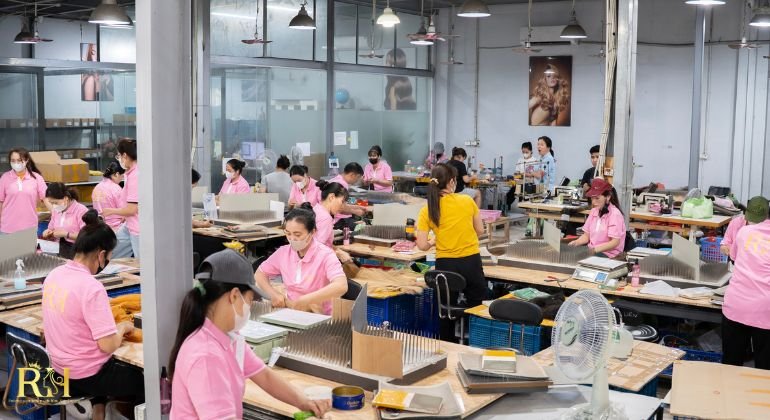
A real factory can prove three things a reseller posing as one cannot: a registered company, a working production floor, and past shipments.
- Check the enterprise code. Every Vietnamese company carries a registration number. Search it on the National Business Registration Portal and match the legal name and address to the name on your invoice.
- Call at a time you pick. Ask for a live video walk from raw hair storage to the wefting machines, then ask them to weigh one bundle on camera. Anyone can stage a scheduled tour. An unplanned call is harder to fake.
- Look up shipment history. Free tools built on US bill-of-lading records, such as ImportYeti, show whether a supplier ships ocean freight to American buyers. Express parcels do not appear there, so a blank result proves nothing either way.
- Ask who makes the wefts. A trading company can serve small orders well, but the factory controls price, lead time and grading. Know which one you are paying.
Step 2: Write a Spec Sheet Before You Request Wholesale Vietnamese Hair Prices
Two quotes compare only when the specs match. Send every supplier the same sheet with these fields:
- Grade and texture, for example raw natural straight or steamed body wave
- Drawn level: single drawn or double drawn
- Length, and how you measure it (stretched, excluding the weft band)
- Weight per bundle in grams, with an allowed tolerance
- Color: natural, or a lifted shade such as #613
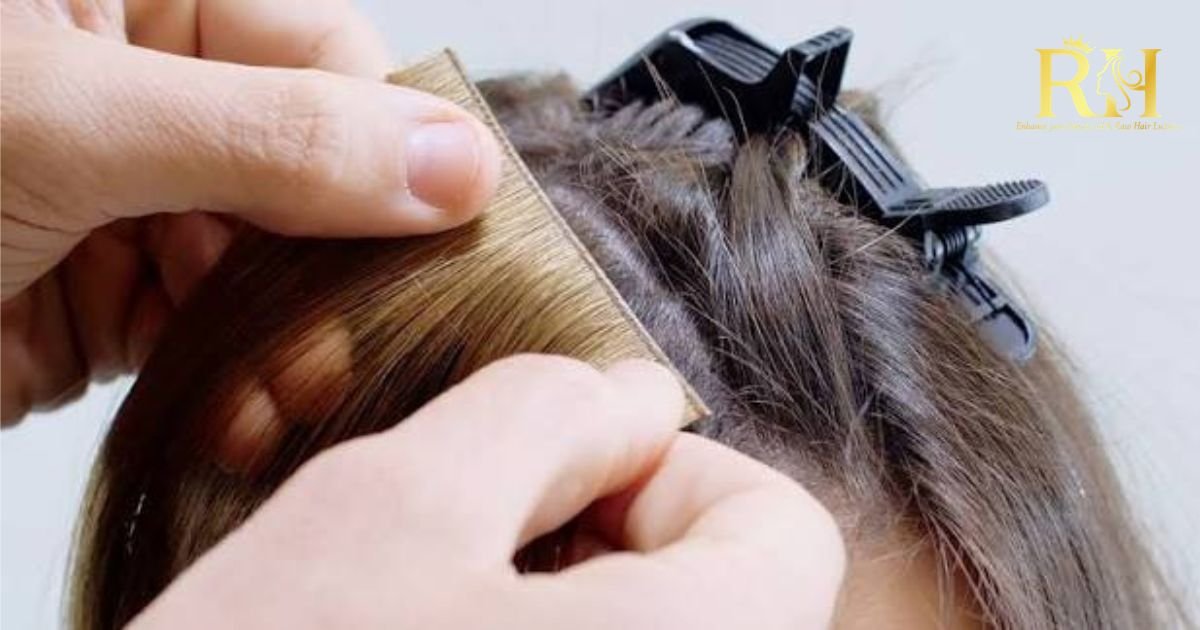
- Attachment: machine weft, hand-tied weft, tape-in or keratin tip
Factories measure length in different ways, so state your method in writing and check it against our hair extension lengths guide. If you sell blondes, read up on 613 hair color first: lifting dark Vietnamese hair to 613 adds processing time and cost.
Step 3: Test Your Vietnam Hair Sample Order Before You Scale
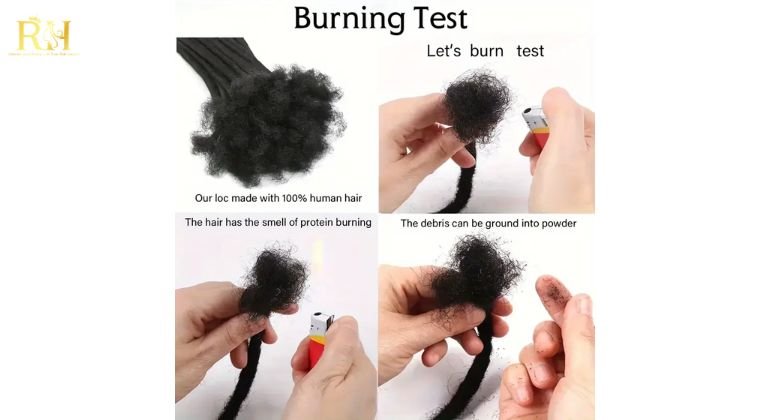
Buy a sample of the exact item you plan to reorder, then try to break it. Five tests catch most grade problems:
- Cuticle test: Pinch a few strands and slide your fingers from tip to root. Hair with aligned cuticles feels rougher on the way up.
- Wash test: Shampoo twice with a clarifying shampoo. Silicone-coated hair loses its shine and starts to tangle once the coating washes out.
- Bleach test: Lift one weft corner toward blonde. Unprocessed hair lifts to an even tone; over-processed hair turns gummy or snaps.
- Weight and length check: Weigh each bundle and measure it against your spec sheet.
- Burn test: A human hair strand burns to ash and smells like burnt hair. Synthetic fiber melts into a hard bead.
Then track the sample through real wear. Our article on how long weft hair extensions last covers the care habits that extend lifespan.
Step 4: Pick Hair Vendor Payment Methods You Can Dispute
The Federal Trade Commission warns that money sent by wire transfer is hard to get back once it leaves your account. Use a method with a dispute process for samples and first orders, and save bank wires for suppliers who have already delivered.
| Payment method | Can you dispute it? | Best use |
| PayPal Goods and Services | Yes, under PayPal’s purchase protection terms | Samples and first orders |
| Credit card via payment link | Yes, through your card issuer’s chargeback process | Samples and small orders |
| Bank wire (T/T) | Hard to reverse once sent | Repeat orders with a proven factory |
| Western Union or MoneyGram | No | Avoid with new suppliers |
Many factories accept a deposit up front and the balance after you approve a QC video showing weight, length and color. Hold the balance until the video matches the proforma invoice line by line.
Step 5: Customs Duty on Hair from Vietnam in 2026
Three rules decide what you pay at the US border: the tariff code, the tariffs stacked on top of it, and the entry type your shipment needs.
Hair Extensions HTS Code
CBP classified human hair wefts, frontals, closures, wigs, tape-ins and tip extensions under HTSUS 6704.20.00 in ruling N305621. That heading carries a Free general duty rate. Worked bulk hair falls under 6703.00.30, also Free. Ask your customs broker to confirm the final code, since classification follows the finished product.
The 12.5% Section 301 Tariff on Vietnamese Goods
The Office of the US Trade Representative imposed a 12.5% tariff on products of Vietnam effective July 24, 2026, as part of its forced-labor Section 301 actions. On a duty-free hair code, that 12.5% becomes your full duty rate unless your code sits on the notice’s exemption list. US tariffs on Vietnamese goods have changed several times since 2025, so recheck the rate before each order.
No More $800 Duty-Free Parcels
CBP published interim final rules on June 24, 2026 that keep the $800 de minimis exemption suspended with no end date, so a sample parcel owes duty too. Shipments valued over $2,500 fall outside the informal entry limit in 19 CFR 143.21 and need a formal entry, which requires a customs bond. Express couriers clear most small parcels and bill you the duty plus a service fee.
Country of Origin and Forced Labor Checks
CBP assigns origin to the country where the hair became a finished product, not where someone boxed it. CBP can treat hair wefted in China and relabeled in Vietnam as Chinese-origin goods, which carry different duties. The agency has also detained hair products linked to forced labor, including a 2020 order against a Xinjiang hair maker. Ask your factory for hair collection and processing records, and make sure each package reads “Made in Vietnam” as 19 CFR Part 134 requires.
Start Small, Verify Everything, Then Scale
Importing hair from Vietnam pays off when you control four risks: confirm the factory, test a paid sample, pay through a channel you can dispute, and price the 12.5% Section 301 duty into your quotes before you sell. Rerun the landed-cost math whenever US tariffs change.
Want to compare factory-direct pricing with a US-based supplier? Request the Raw Hair Luxury wholesale price list and a sample pack.
📲Phone/WhatsApp: +1 (206) 698‑5133
🛜Instagram: RAW HAIR LUXURY COMPANY
🌐Tik Tok: RAW HAIR LUXURY
📧 Email: Rawhairluxury.us
🌐Website: rawhairluxury.com