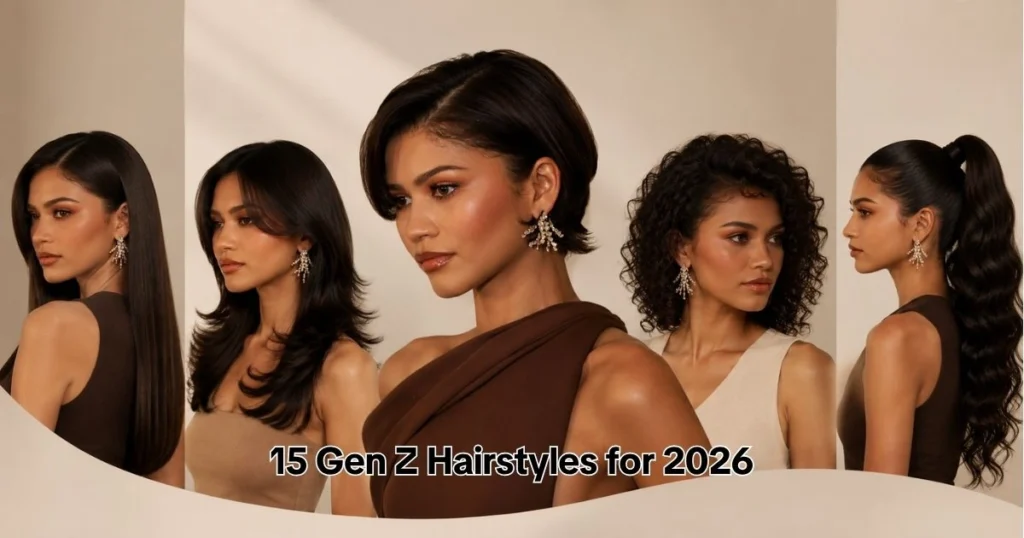
The 15 defining Gen Z hairstyles for 2026 are the butterfly haircut, wolf cut, curtain bangs, layered long hair, soft waves, sleek high ponytail, messy bun, bubble braids, claw clip styles, face-framing layers, blunt bob, shag haircut, pixie cut, slicked-back bun, and half-up half-down. Below, each look is matched to a hair type, a face shape, and the extension that actually helps it hold, so you are not just copying a photo, you are picking a style built for your hair.
Why 2026’s Gen Z Hairstyles Move Faster Than Ever
Trend cycles are not slowing down, they are compressing. According to Pinterest’s official 2026 trend forecast, style trends are now growing 4.4 times faster than they were seven years ago, and 67% of the trends the platform identified for 2026 are being driven specifically by Gen Z. Search interest in dimensional, texture-forward looks reflects that speed: terms like “asymmetrical lob” climbed 85% and “vampire haircut” climbed 40% year over year on the platform. At the same time, Pinterest found that 42% of Gen Z and Millennial trend-followers say they only adopt a trend if it actually suits them, not just because it is popular.
That second data point matters more than the first. It is the reason this guide leads with hair type and face shape instead of a straight ranked list. A wolf cut that looks effortless on fine, wavy hair can look thin and shapeless on thick, coarse hair without the right layering, and a claw clip that reads “clean girl” on medium-length hair can slip right out of hair that is too fine or too short to grip.
Find Your Match: Hair Type and Face Shape at a Glance
Use this table to shortlist two or three styles before you sit down in a stylist’s chair. “Tension level” flags which looks pull at the hairline when worn tightly and often, which matters most if you plan to combine the style with extensions (more on that below).
| Hairstyle | Best Hair Type | Best Face Shape | Extension Pairing | Tension Level |
| Butterfly haircut | Straight to wavy, medium to long | Round, square | Wavy clip-in or tape-in wefts | Low |
| Wolf cut | Straight, wavy, or curly | Oval, heart, square | Textured clip-ins at the crown | Low |
| Curtain bangs | Any | Round, long, square | Not applicable (fringe only) | Low |
| Layered long hair | Straight, wavy | Most shapes | Tape-in or weft for length | Low |
| Soft waves | Any | Most shapes | Clip-in set matched to texture | Low |
| Sleek high ponytail | Straight or blown out | Oval, heart | Ponytail wrap extension | Medium to high |
| Messy bun | Any | Most shapes | Clip-in bun piece | Medium if worn tight daily |
| Bubble braids | Medium to long, any texture | Most shapes | Clip-in ponytail before braiding | Low |
| Claw clip hairstyle | Medium to long with some thickness | Most shapes | Clip-ins for grip and volume | Medium if clip is oversized |
| Face-framing layers | Any | Round, square | Light face-framing clip pieces | Low |
| Blunt bob | Straight or straightened | Oval, heart | Bob-length wefts for thickness | Low |
| Shag haircut | Wavy, curly | Oval, round, square | Textured wefts | Low |
| Pixie cut | Fine to medium, easiest on straight-ish texture | Oval, heart, diamond | Rarely used, too short to clip | Low |
| Slicked-back bun | Straight or fine, needs gel | Oval, heart, square | Bun piece plus edge control | High |
| Half-up half-down | Any | All shapes | Clip-ins blended at the crown | Low |
Statement Cuts
1. Butterfly Haircut
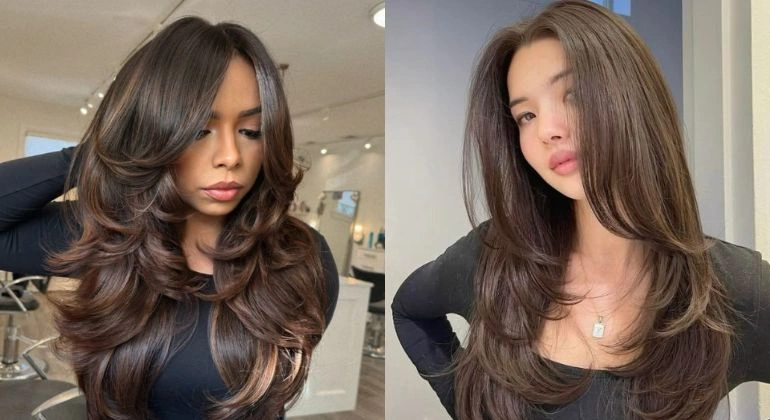
The butterfly haircut uses long, face-framing layers cut at different lengths to create movement without sacrificing overall length, a modern rework of the 90s blowout that suits round and square face shapes because the shortest layers sit right at the cheekbone. It works best on straight to wavy hair with at least medium length to work with. If your natural hair is fine, wavy clip-in wefts placed underneath the top layer add the volume the cut depends on without adding weight to the crown.
2. Wolf Cut
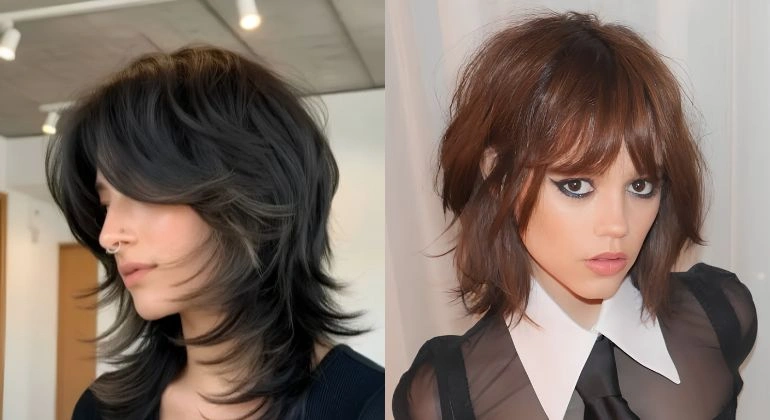
The wolf cut blends the choppy texture of a shag with the shorter, blunter crown of a mullet, and it is one of the few cuts on this list that genuinely works across straight, wavy, and curly textures. It flatters oval, heart, and square faces best, since the shorter top layers add height without shortening the face. Textured clip-ins tucked at the crown help thinner hair fake the volume this cut is built around.
3. Shag Haircut
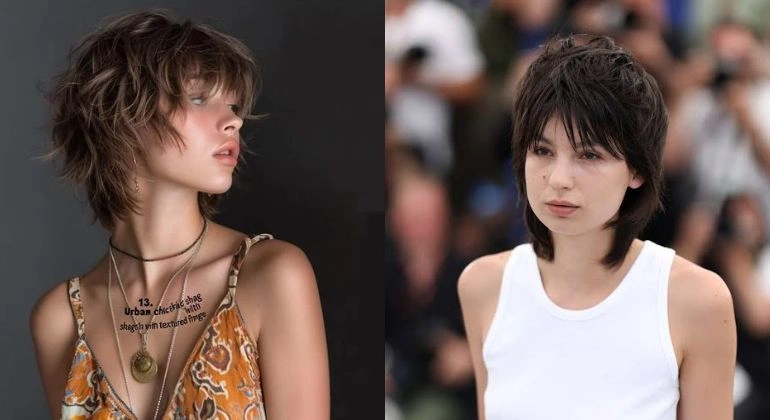
The shag is built entirely on heavy layering from root to end, and it rewards natural texture more than almost any cut in this guide, wavy and curly hair fall into the shape with far less styling effort than straight hair does. It suits oval, round, and square faces. Textured wefts, rather than smooth ones, are the right extension match here, since smooth hair will fight the choppy silhouette the cut depends on.
4. Blunt Bob
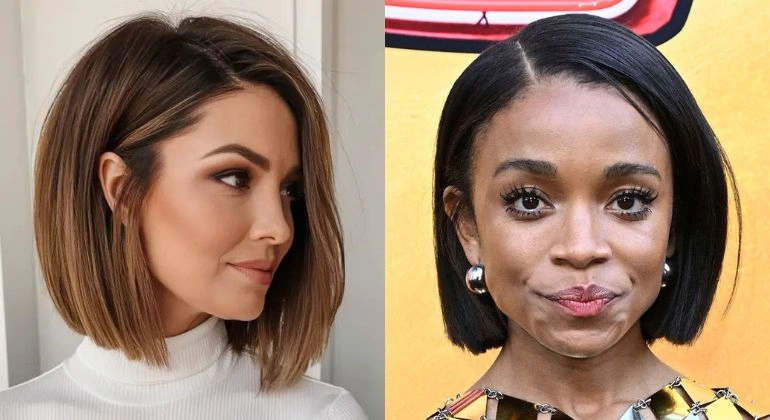
A one-length blunt bob is the minimalist counterpoint to the layered cuts above, and its clean, sharp edge is why it reads as thicker than the hair actually is, making it a strong option for fine, straight hair. It flatters oval and heart face shapes especially well. If you want the blunt line without cutting your length, bob-length wefts clipped in for the day create the same silhouette temporarily.
5. Pixie Cut
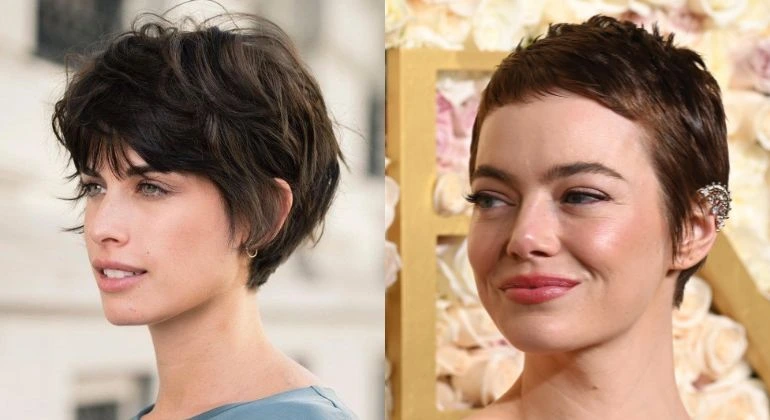
The pixie cut trades length for definition, drawing attention to the eyes, cheekbones, and jaw, which is why it flatters oval, heart, and diamond face shapes in particular. It suits fine to medium hair best and is genuinely low maintenance day to day, though it needs a trim every four to six weeks to hold its shape. It is also the one cut on this list where extensions are rarely relevant, the hair is simply too short to clip into.
Length, Fringe and Texture
6. Curtain Bangs
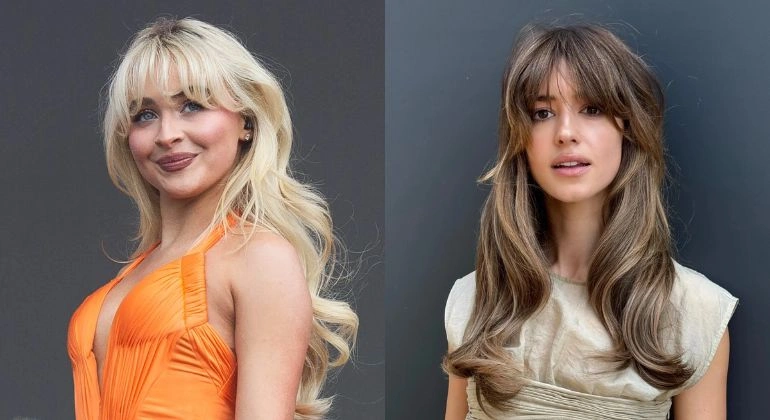
Curtain bangs part down the middle and sweep softly off the face rather than cutting straight across, which is what makes them low maintenance compared with a blunt fringe, they blend naturally as they grow out instead of demanding weekly trims. They flatter round, long, and square face shapes by visually shortening the forehead. Because they are a fringe rather than a length change, they pair with any of the extension types on this list without any special sizing.
7. Layered Long Hair
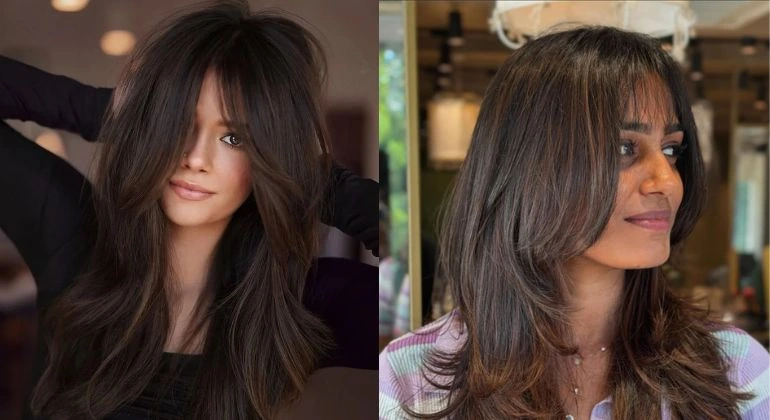
Long layered hair removes weight from the ends so length does not sit flat, and it works on almost every face shape, which is part of why it remains a Gen Z staple rather than a seasonal trend. Straight and wavy hair both take to it easily. Tape-in extensions are the most common route to this look for anyone growing out shorter hair, since they add both length and the thickness needed for visible layer separation.
8. Soft Waves
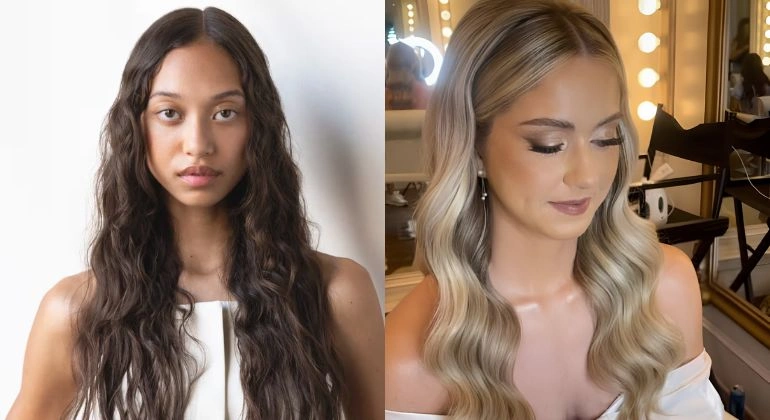
Soft waves are the lowest-effort texture on this list and the most versatile, appropriate for school, work, or a night out without changing the styling approach. They suit nearly every face shape. Because the look depends entirely on texture matching your natural pattern, a clip-in set should be chosen in the same wave pattern as your own hair rather than a looser or tighter curl, mismatched texture is the most common reason clip-ins look obviously “added on.” Our guide to waves that actually hold breaks down the technique in more detail.
9. Face Framing Layers
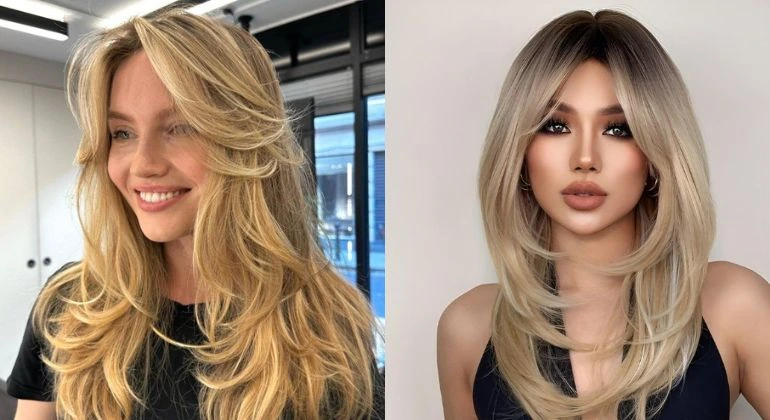
Face-framing layers add movement specifically around the front hairline rather than throughout the whole head, which makes them the easiest update on this list, your length and base cut stay the same. They work well on round and square faces by softening the jawline. Because they are subtle, they blend into almost any haircut, including several others on this list, and rarely need a dedicated extension piece.
Updos, Braids and Accessories
10. Sleek High Ponytail
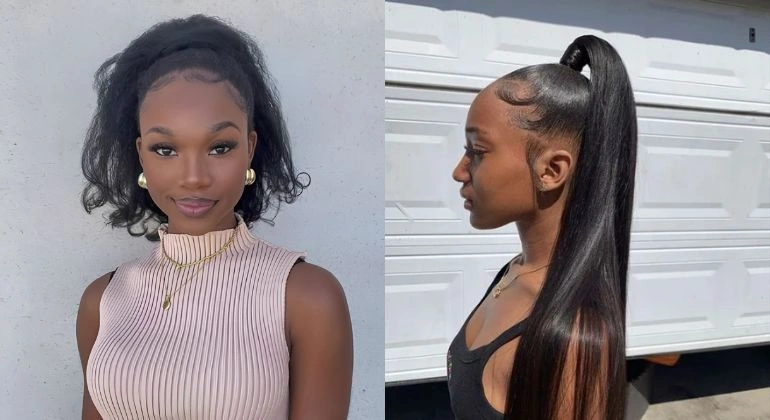
The sleek high ponytail pairs smooth, flat roots with a voluminous tail, and it flatters oval and heart face shapes best because it fully exposes the hairline and cheekbones. It works most easily on straight or blown-out hair. A wrap-style ponytail extension is the standard way to add length and thickness here, but because the style pulls the hair tightly away from the face, see the tension section below before wearing it daily.
11. Messy Bun
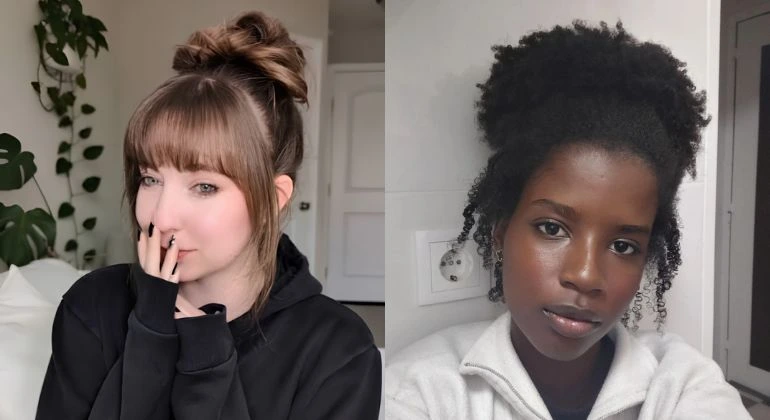
The messy bun trades polish for texture on purpose, loose strands and visible volume are the point, not a styling failure, which is why it works on almost any hair type and face shape. A clip-in bun piece is an easy way to add fullness if your natural hair is fine or short. It is genuinely low maintenance, but see the tension note below if you tend to wear it pulled tight at the root every day.
12. Bubble Braids
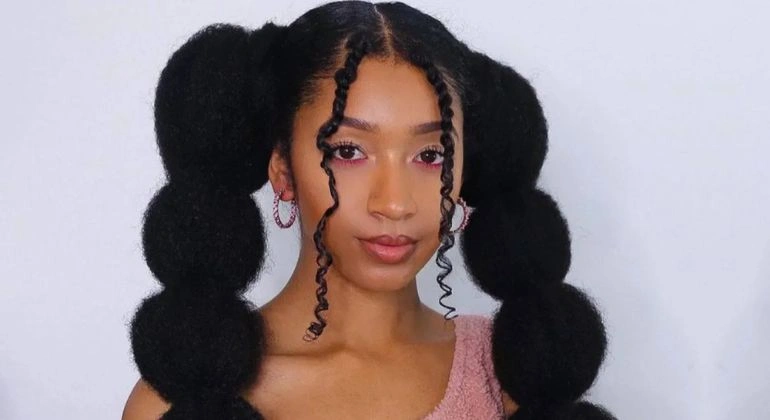
Bubble braids are created by placing hair ties at even intervals down a ponytail and gently pulling each section outward, no braiding technique required, which is why they became one of the most-recreated styles from TikTok tutorials. They work on medium to long hair of any texture and suit most face shapes. Clipping in a ponytail extension before you start gives you more length to work with, so each bubble section has enough hair to look full.
13. Claw Clip Hairstyle
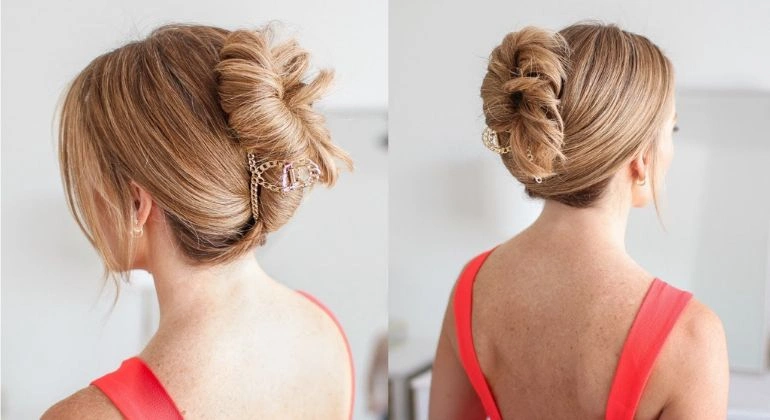
A single oversized claw clip creates a finished updo in seconds, and its Y2K styling makes it one of the fastest-growing accessory trends among Gen Z, largely because it requires no heat and very little skill. It works on medium to long hair with enough thickness for the clip to grip, which is exactly where clip-in extensions help most, thin hair tends to slip out of a claw clip within an hour. Choose a clip sized to your hair volume rather than the largest one available, an oversized clip on thin hair has to grip harder to stay closed, which increases tension at the root.
14. Slicked-Back Bun
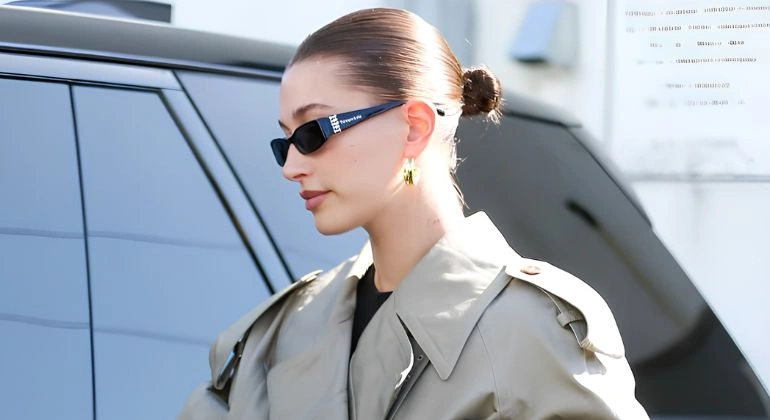
The slicked-back bun is the signature “clean girl” style, hair is brushed smooth and secured into a neat, polished bun that works for school, work, or a formal event without changing. It flatters oval, heart, and square faces. It holds best on straight or fine hair with a lightweight gel. This is the tightest style on the list in terms of scalp tension, and it is worth reading the section below before making it a daily habit.
15. Half-Up Half-Down
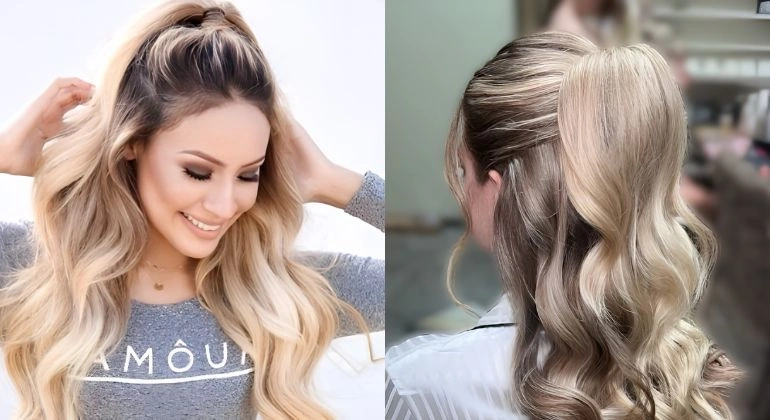
The half-up half-down style pulls the crown section back while leaving the rest loose, balancing a finished look with the ease of wearing your hair down, and it works with straight, wavy, or curly hair on essentially any face shape. It is also the most customizable style here, it takes well to braids, claw clips, or ribbons layered on top. Clip-in wefts blended in at the crown before you pull the top section back add fullness exactly where the style needs it.
Choosing the Right Hair Extensions for These Looks
Most of the styles above come down to a choice between two extension types: clip-ins, which go in and out in minutes and suit occasional styling like bubble braids or a claw clip look, and tape-ins, which stay in for six to eight weeks and suit everyday styles like layered long hair or soft waves. Our full clip-in vs. tape-in comparison breaks down cost, maintenance, and which is easier on fine hair specifically.
Whichever type you choose, cuticle quality determines how well the piece blends and how long it lasts through repeated styling. Hair that still has its cuticle intact and running in one direction resists tangling and matting far better than hair that has been stripped and re-coated with silicone, which is why raw, unprocessed bundles are worth the extra research before you buy; our breakdown of what actually separates raw hair bundles from lower-grade alternatives covers what to check before you order.
Protecting Your Hairline in Tension-Heavy 2026 Styles
Four styles on this list, the sleek high ponytail, the slicked-back bun, a tightly gripped claw clip, and a messy bun worn pulled tight at the root, share one risk: repeated, prolonged tension on the hairline. The American Academy of Dermatology names tight ponytails, buns, and hair extensions specifically among the styles that can lead to traction alopecia, a form of hair loss caused by sustained pulling on the hair shaft, and advises wearing them only occasionally rather than as a daily default.
The warning signs are specific and worth knowing before they show up: small broken hairs along the hairline, a hairline that looks like it is receding, or patches of thinning exactly where the hair is pulled tightest. The Academy’s practical guidance for anyone wearing extensions or tight updos is straightforward, if a style causes pain or a headache when it goes in, it is too tight, and it should be loosened or removed rather than toughed out. Rotating between a tight style and a looser one, like alternating a slicked-back bun with soft waves or a half-up look, gives the hairline room to recover between wears.
Final Thoughts
The fastest way to pick a 2026 hairstyle you will actually keep past the first wash is to start from your own hair type and face shape rather than a screenshot. Whether that means a low-tension soft wave, a wolf cut built for your natural texture, or a claw clip look with enough clip-in volume to actually hold, the right extension makes the difference between a style that looks styled and one that looks effortful.
Ready to build any of these looks? Browse our raw human hair bundles, closures, and wefts to find the texture and length that matches your 2026 hairstyle, or message our team for a free recommendation based on your current hair.
Ready to find your perfect match? Contact us today for expert advice and exclusive discounts on premium human hair extensions.
📲Phone/WhatsApp: +1 (206) 698‑5133
🛜Instagram: RAW HAIR LUXURY COMPANY
🌐Tik Tok: RAW HAIR LUXURY
📧 Email: Rawhairluxury.us
🌐Website: rawhairluxury.com

One Reply to “15 Gen Z Hairstyles for 2026: The Hair Type and Face Shape Guide”
How to Cut a Mullet Haircut at Home: Easier Than You Think
[…] If you like modern alternative hairstyles, you can also explore styles such as the wolf cut, which shares some of the layered and textured qualities of a mullet. Raw Hair Luxury’s Gen Z Hairstyles guide […]